After years of attending concerts, we wonder if it’s time for a rethink. We were recently at a couple of concerts that just needed a new idea. They were doing the standard setup of opening with a Light Piece (under 20 minutes), a concerto, the soloist’s following encore, the interval/intermission, and the concluding Big Work, usually a symphony.
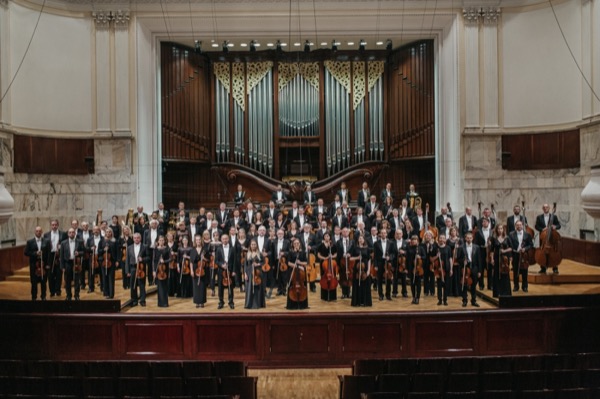
Warsaw Philharmonic Hall
The problem with this particular set of concerts is that the soloist was a pianist, and the piano had to be placed onstage. In most halls, they clear the chairs from the edge, push the piano onto the stage, and then reset the chairs that were moved.
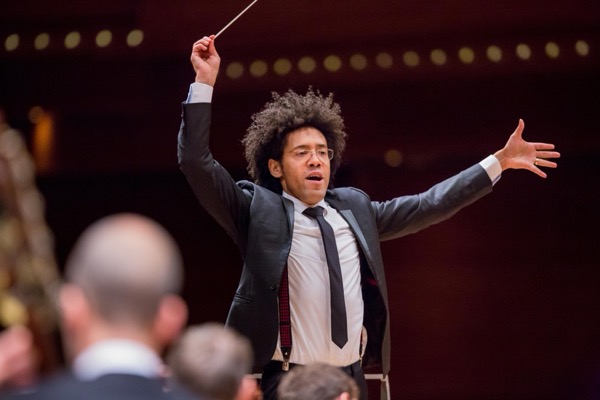
Rafael Payare
In this hall, however, the stage had permanent staging levels, and it wasn’t possible to push a piano in from the side. The piano needed to come up through the floor. First, the orchestra exited the stage and then the space for the lift had to be cleared. This involved moving at least two rows of chairs from the front, opening the floor elevator, and waiting for the piano to emerge.
Fryderyk Chopin: Piano Concerto No. 1 in E Minor, Op. 11: III. Rondo: Vivace (Idil Biret, piano; Slovak State Philharmonic Orchestra, Košice; Robert Stankovsky, cond.)
This took rather a long time to the sound of a lot of hard-working machinery. The stage was full of stagehands anxiously looking into the hole in the floor, rather with the attitude of people at a funeral, making sure the casket was in there. When the piano made its appearance, all went very swiftly. The piano was placed, the wheels were locked, the piano stool was placed, and then all the chairs and stands put back into position. The orchestra came back onstage, and after about a 20-minute break while the audience sat and watched, the concert resumed.
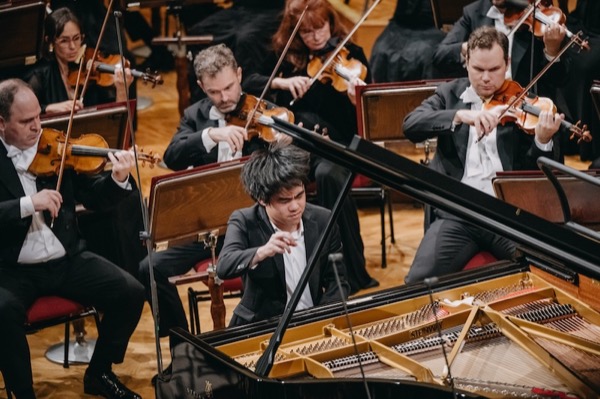
Kevin Chen (photo by Wojciech Grzedzinski)
After sitting through this for 2 nights in a row, it just got a little old.
We went to another concert in another city at another hall, and they just opened with the concerto. All the business of getting the piano on stage happened before the audience took their seats. After the concerto, the audience left for intermission, and the piano was removed again. It made the first set of concerts look painfully amateur in comparison. They were following an old pattern that didn’t make sense for the hall they were using.
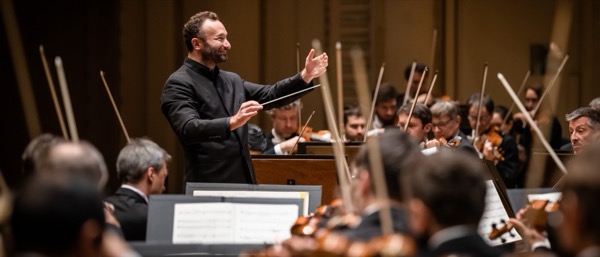
Kirill Petrenko (photo by Stephan Rabold)
In the second city, after intermission, the orchestra played their Big Work, a symphony by Scriabin, which left the audience nicely satisfied. We heard a different orchestra the second night, and after their Big Work, a symphony by Prokofiev, they played their Light Piece as an encore.
Sergey Prokofiev: Symphony No. 5 in B-Flat Major, Op. 100: IV. Allegro giocoso (Philharmonia Orchestra; Santtu-Matias Rouvali, cond.)
By moving the concerto to the first position, they solved the timing problem of getting the large instrument on stage.
Do we also need to sit through the obligatory ending? The final work concludes; the conductor exits, the audience applauds, the conductor returns, then exits, then returns as the applause demands. Flowers may or may not be presented. The conductor is left with a bouquet that either must be handed off to a player or taken offstage again to be abandoned.
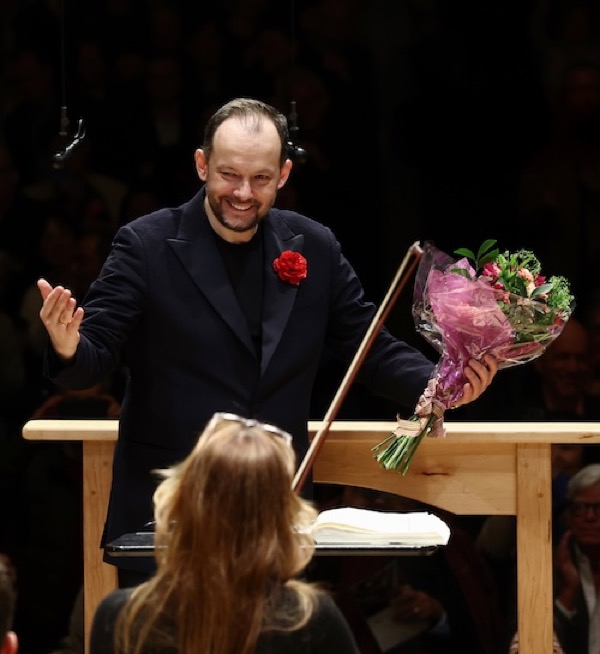
Andris Nelsons (photo by Winslow-Townson)
The audience wants a way to express their happiness and satisfaction at the performance; that’s why they’re clapping. Is this on-again, off-again choreography really necessary, though? And the flowers? The problem, of course, is that a concert stage doesn’t have a curtain that can be dropped and lifted as you can with plays and operas, hence the constant exits and entrances. Maybe we need to rethink the end of a concert as well.
How would you change these stock actions?
For more of the best in classical music, sign up for our E-Newsletter