Contemporary Uzbek Music for Clarinet and Piano does exactly what it says on the tin: a first-of-its-kind offering that blends traditional Uzbek music with the Western classical style. It was recorded as part of Uzbek-born, US-based clarinettist Sayyod Mirzomurodov’s doctoral studies at the University of Iowa, and features four new commissions alongside five works by established Uzbek composers including Anvar Ergashev and Habibulla Rahimov.
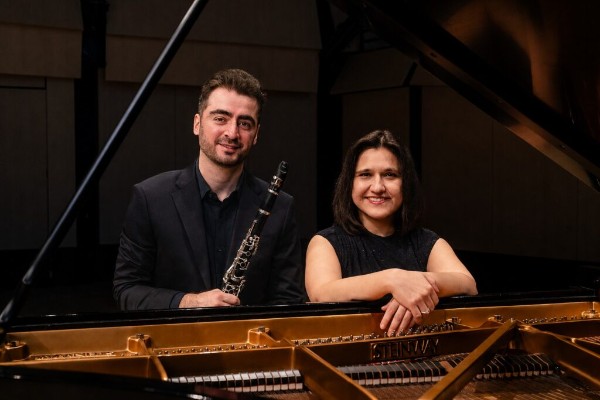
Sayyod Mirzomurodov and Mariya Akhadjanova © Ryan Nguyen
Sayyod worked alongside his long-term collaborator, pianist Mariya Akhadjanova, to commission and record these pieces, which frequently appear in their recital programmes, in the hope that the album will bring this music to a wider audience and inspire a new generation of clarinettists to programme the works in their own performances. I chatted to Sayyod about the process of recording the album, and his own hopes for the project.
Sayyod Mirzomurodov | Nurali Erkaev – Sonata-Fantasia
How does it feel to have made the first recording of this nature, featuring an all-Uzbek programme?
I find this [Uzbek] repertoire very interesting. We have musical traditions, we have national music, and when these are blended with the Western style, they become something entirely different. It’s an honour to bring such a different style of music to the world.
There is something different there, and that is the Uzbek part!
Can you talk about this unique aspect of the music, and how it was to engage with music from your own culture in this way?
Mariya and I are from the same country and the same school, and while I was doing my bachelor’s in Uzbekistan, we already played concerts together everywhere we could. She’s a wonderful pianist. Usually we play more standard repertoire – the Uzbek thing started way later!
We’ve been playing this [Uzbek] music in the US for a while now because we thought it was so different and unique. People don’t know this music – it’s like if I started giving people Uzbek food. They’d say, ‘It tastes good, but I don’t know what it is!’ But people then ask for the recipe, and I can give it to them.
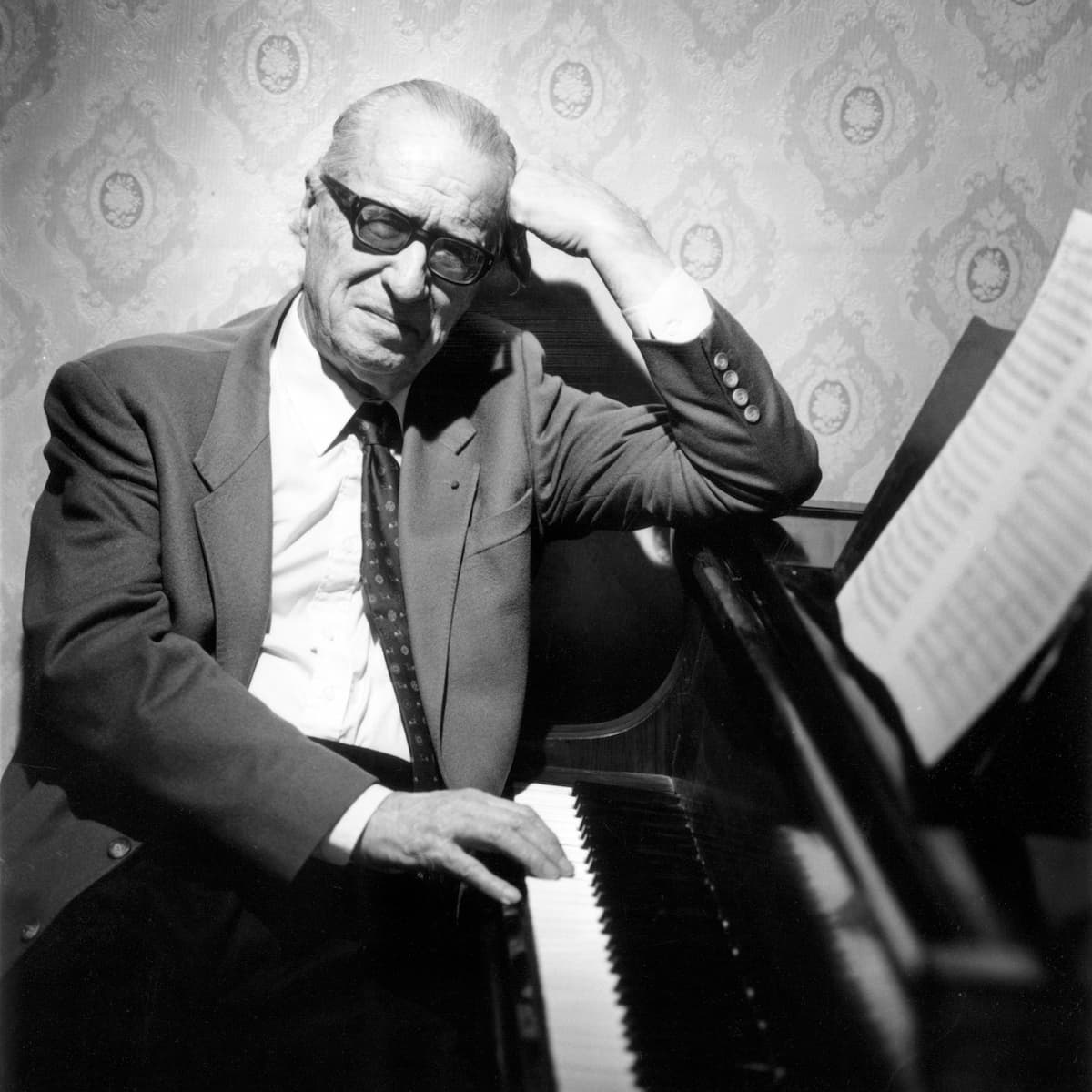
Jean Françaix
Everything is like that. I’m not French, but I like the music of Jean Françaix. I need to listen to recordings, look at his scores, explore the history, and then when I know more and understand more, the performance will be closer to what you expect.
It’s kind of the same when you bring something new. That’s why it was a great opportunity for us to record the music and share it with people who want to listen to it, and hopefully they will play it themselves.
I hope that this brings a new taste, a new kind of repertoire that people can try to play.
Did you feel a sense of responsibility with these recordings, given that some of this music was being recorded for the first time?
Yes, exactly. Every time I played something that wasn’t quite the way I wanted it to be, I said that I wanted to do another take. I have a lot of responsibility to this music. People who listen and maybe play this repertoire might use this recording as a reference. If you give the wrong impression or the wrong reference, everyone might play closer to that, and so we were trying to be really careful about that.
How was it in terms of pacing the large amount of music to be recorded across the sessions?
I thought it would be fine, and then, when we started recording, I realised there was a lot of music! There are a lot of notes, a lot of notes to play perfectly, especially for the first recordings of some of the pieces. I didn’t want to miss anything. It was difficult but definitely worth it.
We’re really lucky to be in this school, in the university. We have a beautiful hall and great staff. The engineer and recording team were super nice and flexible, so we were very lucky.
It took a little time at the beginning before I was really ‘in it’. Mariya and I have played this repertoire many times before in concerts, but as soon as we started recording, it felt like I didn’t know what we had done before!
The instrument felt so different; the fingers were tenser, and unexpected things started happening, but eventually that went away. The psychological side of things when recording is not a myth – it exists!
There is a large number of living composers featured on your album. Did you have much contact with them during the recording process?
We were in pretty direct conversation with them. I talked to everybody, and they were all happy to be involved. Four composers decided to write new pieces for clarinet and piano, so I was very lucky.
Anvar Ergashev: Sharq Kaprichchiosi (Eastern Capriccio)
Were there any pieces you were particularly excited to record?
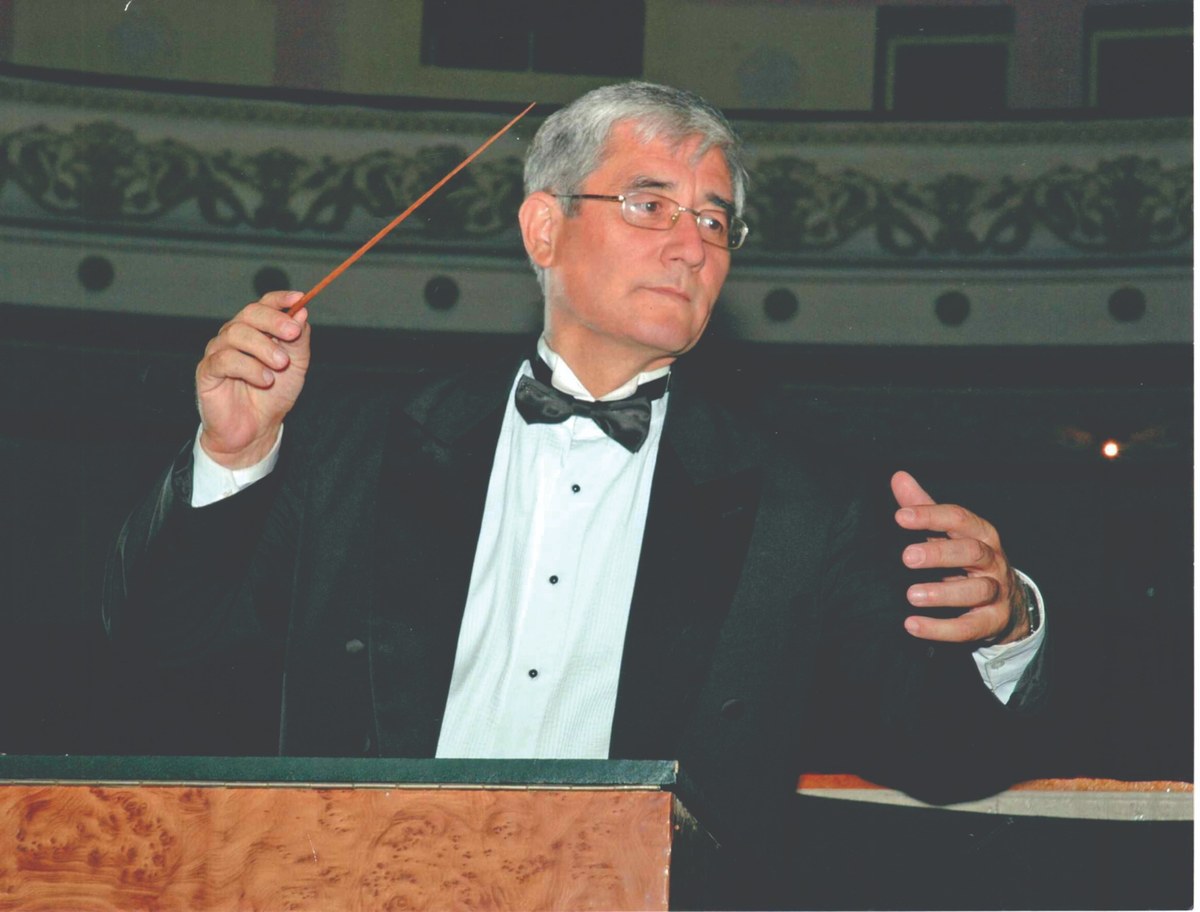
Anvar Ergashev
The last track on the album is a piece by Anvar Ergashev, the Eastern Capriccio. I knew I wanted to record this piece; it had to be on the album.
When I studied at music school, I’d already played Ergashev’s piece. It’s such an energetic piece, especially the beginning. If you enter a music school in Uzbekistan and hear a clarinettist practising, you’ll likely hear the beginning of this piece! It sounds a little bit similar to Gershwin’s Rhapsody in Blue – it has a big glissando near the beginning! It’s a very well-written piece; I knew I had to record it.
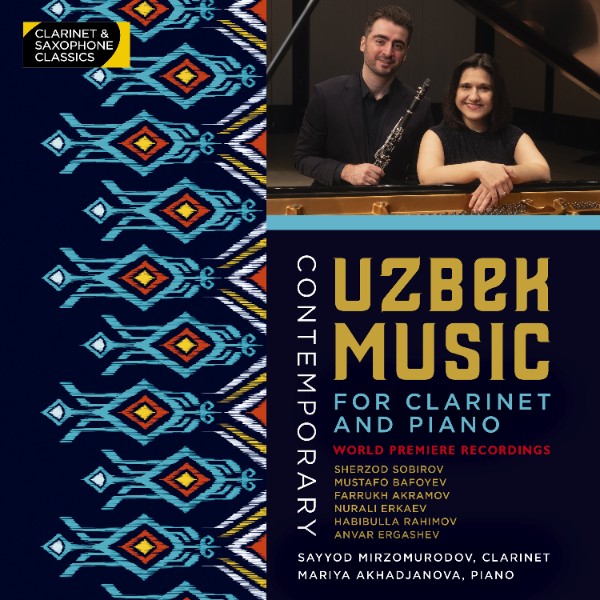
Sayyod Mirzomurodov and Mariya Akhadjanova’s new album, Contemporary Uzbek Music for Clarinet and Piano, is out now on the Clarinet and Saxophone Classics label.
For more of the best in classical music, sign up for our E-Newsletter