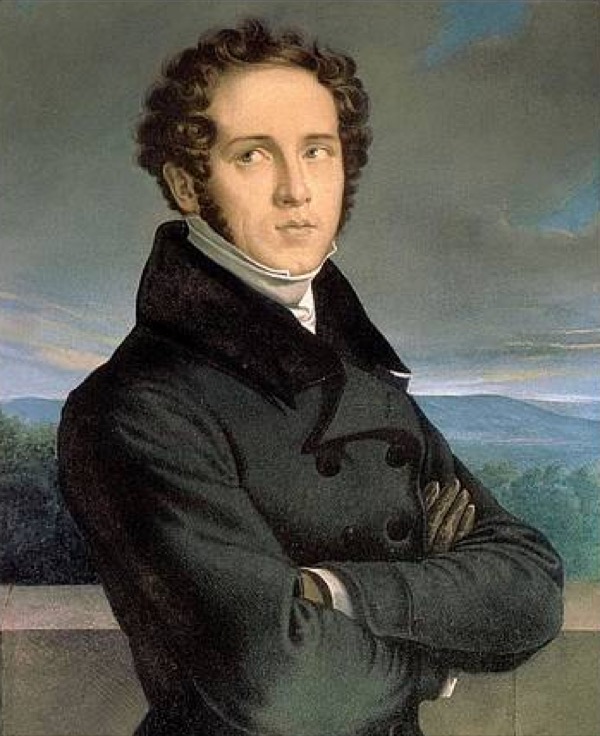
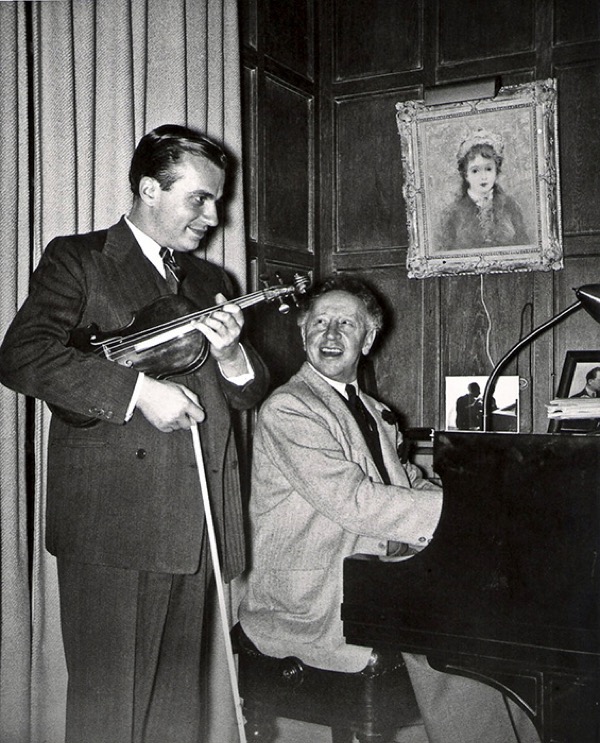
Reynaldo Hahn, born on 9 August 1874 (1874–1947), is widely known for his beautiful art songs that capture emotion with elegance and subtlety. It is hard to believe, but his French mélodies were initially dismissed as merely evocative of the Paris salon around 1900.
Gradually, however, his mélodies attracted musicians and audiences, and “À Chloris” is undoubtedly his most famous and elegant setting. The verse comes from an early 17th-century poem by Théophile de Viau, and to commemorate the composer’s birthday on 9 August, let us feature the most satisfying performances of this musical gem.
Reynaldo Hahn: “À Chloris,” (Lea Desandre/Thomas Dunford)
Joy, Anxiety, and the Fragility of Love
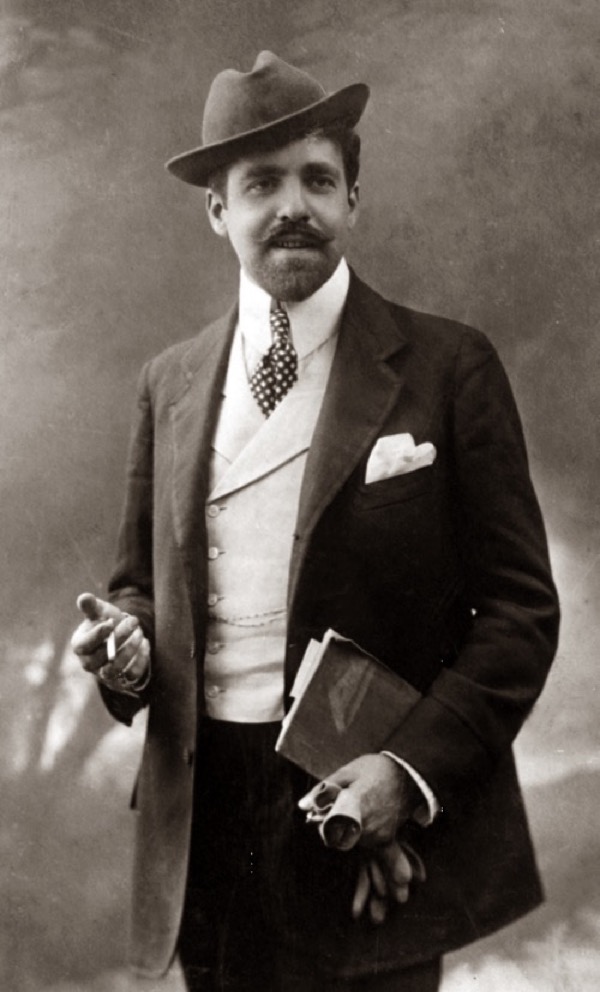
Reynaldo Hahn (1906)
The poem simultaneously expresses the idea that love can be both a source of joy and anxiety, reflecting a common preoccupation with the transient nature of life and love during the Baroque. It comes from a tradition of pastoral imagery, which idealises rural life and romantic love.
To Chloris
If it be true, Chloris, that you love me,
(And I’m told you love me dearly),
I do not believe that even kings
Can match the happiness I know.
Even death would be powerless
To alter my fortune
With the promise of heavenly bliss!
All that they say of ambrosia
Does not stir my imagination
Like the favour of your eyes!
Reynaldo Hahn: À Chloris (Susan Graham, mezzo-soprano; Malcolm Martineau, piano)
Myth and a Rebellious Poet
Chloris, in Greek mythology, was a Nymph associated with spring and flowers. She dwelt in the Elysian Fields, and you might also know her as the goddess Flora, a name adapted by Roman authors.
Chloris was abducted by Zephyrus, the god of the west wind, who transformed her into a deity known as Flora. Together, they had one son, and Chloris was apparently responsible for the transformation of Crocus, Hyacinthus, and Narcissus into flowers.
As for the author of the poem, Théophile de Viau held rather heretical views and enjoyed a libertine lifestyle. He was denounced by the Jesuits in 1623, imprisoned, and sentenced to be burned alive. Eventually, his sentence was changed to permanent banishment.
His poetic style refused logical and classicist constraints and adhered to the emotional aspects of Baroque images. The restraint of his writing, coupled with rich fantasies of idealised ancient civilisations, led to his rediscovery by the French Romantics in the 19th century.
Reynaldo Hahn: “À Chloris,” (Philippe Jaroussky/David Kadouch)
Hahn’s Pastiche
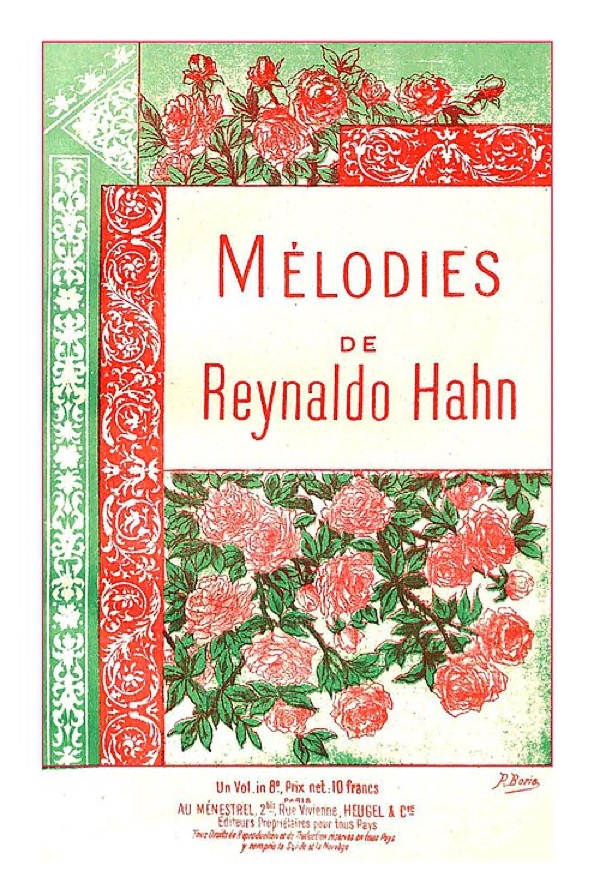
Mélodies de Reynaldo Hahn
Reynaldo Hahn set “À Chloris” to music in 1916, and he relied on a musical technique called pastiche. Basically, this means that Hahn uses music composed by a different composer. Unlike parody, however, a pastiche pays homage to the work it imitates, rather than mocking it.
In this case, Hahn uses the striding bass line of Bach’s “Air on a G-string” as the musical foundation. In essence, it’s a delightful way of travelling in time as the listener is transported back to the graceful melancholy of 17th-century Baroque.
By adding baroque ornamentation, Hahn established an accompaniment that is actually a piano piece in its own right. The vocal phrases are a mixture of short fragments capturing the natural speech cadences of the breathless lover with longer lyrical lines.
As such, the vocal line, half sung and half spoken, interweaves into the piano part like an exquisite embroidery, moving between conversational grace and whispered confidences. And once you add declarations of love in the full voice, you find a simple yet incredibly touching salon ballad.
Reynaldo Hahn: À Chloris (Anastasia Prokofieva, soprano; Sergey Rybin, piano)
Desandre, Graham & Jaroussky
If Théophile de Viau’s poetry was rediscovered by 19th-century composers, Hahn’s setting is now being rediscovered by a long line of performers. For one of the most intimate and fresh modern versions, I’ve selected Lea Desandre and Thomas Dunford. The use of the lute reinforces the sentiment of the 17th-century poem, and Desandre’s silvery mezzo engages us in a rather personal whispered conversation. If you are looking for charm and intimacy rather than big emotion, this performance is for you.
For a highly admired interpretation, we turn to Susan Graham and Malcolm Martineau. Graham brings a luxurious and sensual glow to her interpretation. Her rich and warm mezzo shapes the phrases with great elegance, supported by Martineau’s colourful accompaniment. Vocally opulent and mature, this performance features plenty of emotional warmth and beauty of sound.
For an exceptionally refined and poetic interpretation, I have selected a performance by countertenor Philippe Jaroussky and pianist David Kadouch. Jaroussky’s countertenor evokes a sense of otherworldly elegance, supported by exquisitely nuanced phrasing and delicate dynamics. Melancholy and introspection triumph over overt passion.
Reynaldo Hahn: “À Chloris,” (Marie-Nicole Lemieux/Daniel Blumenthal)
Lemieux, Prokofieva & Mayer
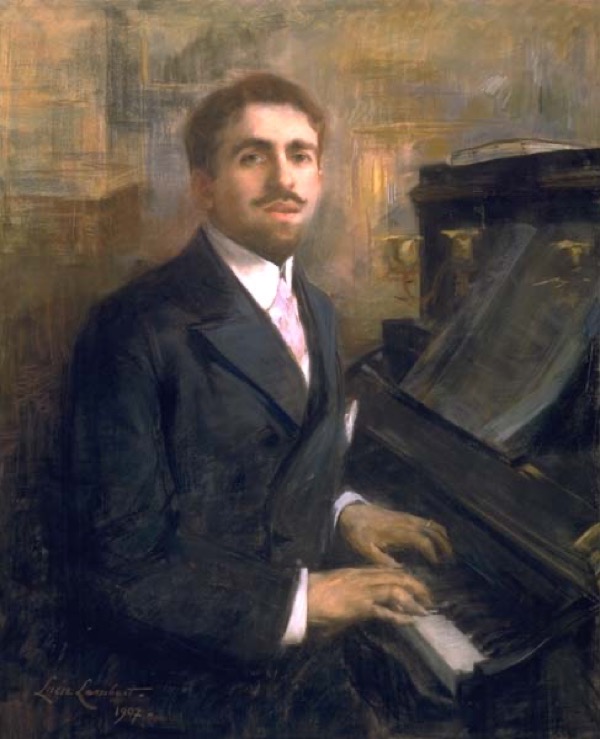
Reynaldo Hahn by Lucie Lambert (1907)
Frequently cited as a top reference recording, Marie-Nicole Lemieux and Daniel Blumenthal place the emphasis on a fuller, yet delightfully mesmerising voice. Her rich and resonant contralto combines warmth with wonderful diction. The effect is a perfect balance between smile and nostalgia, and between emotional substance and restrained grandeur.
Turning away from superstar performances, I rather like the honest interpretation by Anastasia Prokofieva and Sergey Rybin. Above all, this version is straightforward and unpretentious, as Prokofieva offers natural expressiveness and good French pronunciation.
“À Chloris” has also made it into the instrumental realm, as oboist Albrecht Mayer and Kimiko Imani offer a very popular transcription. This performance accentuates the pastiche character, highlighting Bach’s walking bass line, with the oboe offering a remarkable vocal line. It becomes a purely instrumental meditation that elegantly communicates emotions without the actual words.
Reynaldo Hahn: “À Chloris,” (transcribed Albrecht Mayer/Kimiko Imani)
Additional Gems
If you prefer a more operatic approach rather than pure salon elegance, you might want to listen to soprano Mady Mesplé and pianist Dalton Baldwin. This performance from the 1970s and 80s is less overtly emotional but more aristocratic and restrained. For many commentators, this is a benchmark recording in terms of clarity and taste.
The tenor Martyn Hill and pianist Graham Johnson produced a charming and almost boyish interpretation in the 1980s. Full of pastoral innocence and delight in the text, Johnson’s accompaniment is supportive and perfectly balanced.
We might also mention Sarah Connolly and Eugene Asti for a stylish and deeply moving recording on Hyperion. This performance forgoes sentimentality in favour of musical intelligence and emotional honesty. And for a more dramatic and intense interpretation, take a listen to Stéphanie d’Oustrac and Pascal Jourdan (piano).
For an emotionally satisfying and fresh conclusion, I’ve selected a live 2025 performance by mezzo Adèle Charvet and Florian Caroubi. Her voice features an attractive natural timbre, as she finds a good balance between lyricism and intimacy. While it is not a polished studio recording, it offers plenty of youthful charm and communicative quality.
For more of the best in classical music, sign up for our E-Newsletter