The compositions of the Czech composer Leoš Janáček (1854-1928) draw on the melodic and rhythmic irregularities of folk music, particularly from Moravian and other Eastern European traditions, which he collected, edited, arranged, and used as the basis of his own music.
These musical assimilations of rhythm, pitch contour, and inflexion derived from regular speech are commonly associated with his so-called “Speech Melody Theory.” To celebrate Janáček’s birthday on 3 July, let us briefly explore this influential yet often misunderstood concept, which plays a central role in the interpretations of his operatic works.
Leoš Janáček: Jenůfa, (excerpt)
The Hidden Music of Language
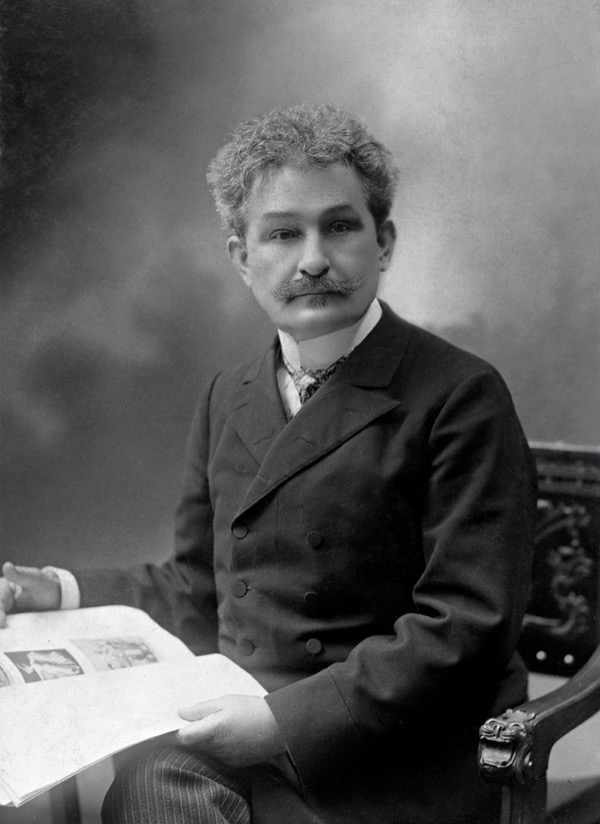
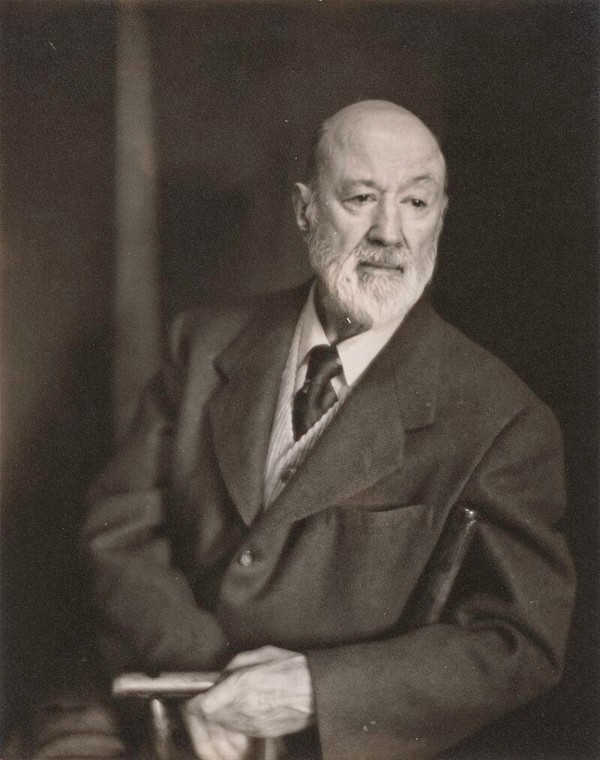
Leoš Janáček (1904)
Leoš Janáček strongly believed that spoken language contained its own hidden musical structure. That included its own rhythms, pitch contours, and emotional shapes. Since spoken phrases have a musical fingerprint, that fingerprint can reveal emotional truth more directly.
Yet, Janáček never wrote a formal theoretical system, and “speech melody theory” is largely a scholarly construct. As Paul Wingfield writes, “No aspect of Janáček’s operas has been publicised more widely than their alleged use of ‘speech melodies’. Indeed, most commentators now assume the a priori existence of speech melodies in the composer’s operas.” (Wingfield, Cambridge Opera Journal, 2008)
We can safely say that one of the strongest influences on Leoš Janáček, besides an acute awareness of his own mortality, was his deep appreciation for the natural world in which he lived. The Moravian countryside, the Czech language, and particularly the folk music of the region became inseparable elements of his musical creativity.
Leoš Janáček: The Cunning Little Vixen, (excerpt)
A Life Lived in Folk Song
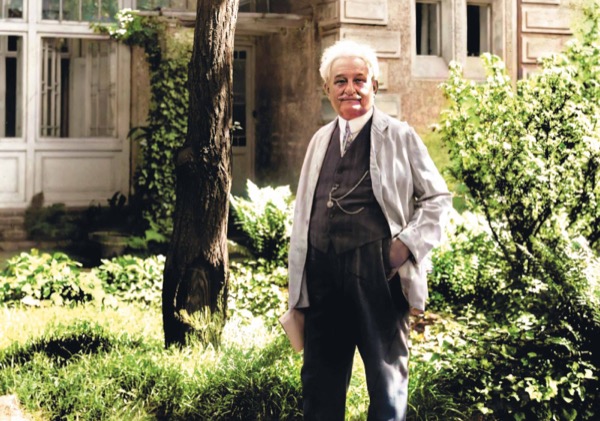
Leoš Janáček
Janáček regarded folk song as a formative influence throughout his life. It embodied the fullness of the human experience. He strongly believed that growing up immersed in folk traditions decisively shaped a person and that this music contained a unique power. In fact, he thought that it had the power to unite humanity through a shared sense of joy and spiritual connection.
Cultural life flourished in the villages and towns, and early in his career, Janáček turned his attention to research into folk music. Between 1888 and 1901, he published eight volumes of folk songs and dances, and throughout his life passionately shared his belief in the power of folk song.
And while a number of works do not directly quote folk melodies, they do contain a high-spirited evocation of that medium. Janáček was not merely interested in collecting folk songs, but also carefully studied the relationship between language and music.
Leoš Janáček: Káťa Kabanová (excerpt)
Listening for the Soul
Between 1879 and well into the 1920s, Janáček recorded thousands of tiny melodic fragments written in a kind of musical shorthand tied to a specific spoken phrase. He always carried a notebook and took melodic dictations on the street, from conversations with acquaintances, and even from his dying daughter.
In 1928, he wrote, “…whenever someone spoke to me, I may not have grasped the words, but I grasped the rise and fall of the notes! At once I knew what the person was like: I knew how he or she felt, whether he or she was lying, whether he or she was upset. As the person talked to me in a conventional conversation, I knew, I heard that, inside himself, the person perhaps wept.”
Although the exact nature of this relationship has never been satisfactorily explained, with the possible exception of recent research by John Tyrrell and Paul Wingfield, scholars have suggested that the speech-melody formations are an organic component of Janáček’s music-dramatic principles and the means of his explosive, dynamic, and dramatic expression. As such, they supposedly determine the basic character of the melodic and motivic material of his operas, both vocal and instrumental.
Leoš Janáček: From the House of the Dead (excerpt)
Beyond the Myth of Speech Melody
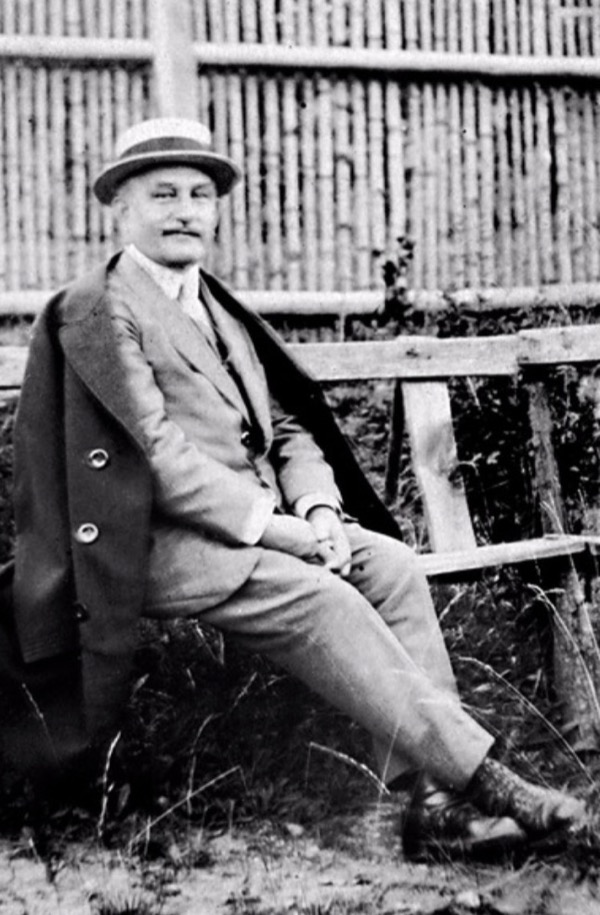
Leoš Janáček (1917)
When approaching Janáček’s music, we need to guard against the simplistic idea that everything derives mechanically from speech contours. And while he did collect speech inflections obsessively, he transformed them artistically rather than merely copying them.
“The common thread in Janáček’s theoretical thinking,” wrote John Tyrrell, “is that music cannot be detached from life. There is a direct link between music and emotion, music and psychology, music and the environment. Much of what Janáček was after in his notion of speech melody was trying to tease out this link from the smallest scraps of human utterance with a view to finding a window into the soul.” (Tyrrell, Janáček, 2006)
For more of the best in classical music, sign up for our E-Newsletter