The French operatic tenor Roberto Alagna, born on 7 June 1963, is celebrated for his lyrical voice and passionate performances. His warm timbre and impeccable diction have made him a leading figure in modern opera.
Giuseppe Verdi has always been at the core of his repertoire, as his voice has naturally moved through Verdi’s central tenor roles. From lyrical elegance to spinto and dramatic intensity, Alagna has captured it all during a career spanning nearly four decades.
To celebrate his birthday on 7 June, why don’t we explore his best-known Verdi roles, from Alfredo to Radamès and beyond.
Roberto Alagna in La Traviata, “O mio rimorso!”
For Alagna, the role of Alfredo from La traviata seems a very natural beginning. After all, the role rewards warmth of tone and lyrical phrasing. And let’s not forget youthful exuberance rather than sheer vocal power.
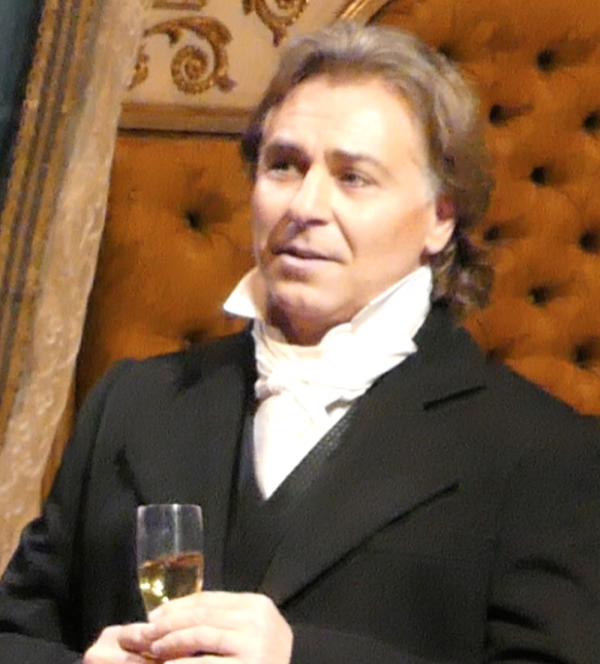
Roberto Alagna as Alfredo in La traviata
Roberto Alagna was born of Sicilian parents in France, and his Italian lyric tenor shines in Alfredo’s poetic immediacy and emotional volatility. It was one of his core breakthrough roles, and he made his professional operatic debut in the role at Glyndebourne in 1988.
Throughout his career, Alagna reportedly sang this role in well over 100 performances, especially during his early rise to fame. His Alfredo glows with spontaneous and instinctive phrasing and elegant vocal lines, attributes that contributed to his rise to fame.
Roberto Alagna in Il Trovatore, “Di quella pira”
The role of Manrico in Il Trovatore pushes the voice towards the spinto territory, demanding more heroism, stamina, and much more bite. Verdi shifts away from his lyrical tenor and towards a voice that demands heroic moments inside the lyrical line.
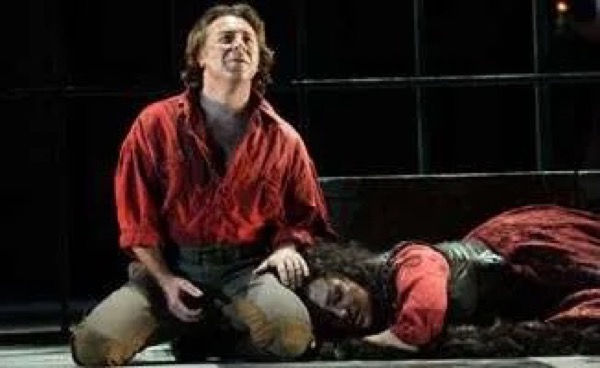
Roberto Alagna as Manrico in Il Trovatore
Manrico is like a hybrid role, shaped by cantabile phrasing yet increasingly exposed to sustained dramatic pressure. There is a sense of urgency throughout, while the top notes have to be as brilliant as ever.
Alagna has performed Il Trovatore at major opera houses, and recorded the role for EMI with Antonio Pappano in 2002. For many critics and observers, Manrico is one of Alagna’s signature Verdi roles.
Roberto Alagna in Don Carlos
For the role of Don Carlo, Verdi composed some of the most complex tenor roles available. They are not really concerned with vocal pyrotechnics, but become introspective and emotionally ambiguous.
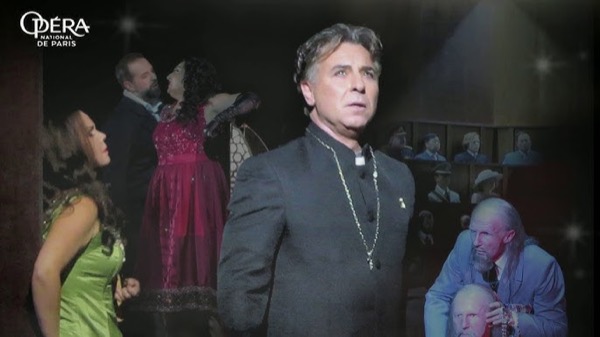
Roberto Alagna as Don Carlo (Opéra national de Paris)
This role turns out to be one of Alagna’s specialities, because it is not a static lyrical statement. Rather, it’s all about emotional fragmentation as memories keep interrupting the present. To sing Don Carlo with conviction, expressive transparency must come to the foreground, and it certainly helps if the performer can act as well.
Roberto Alagna produced a wonderful studio recording of the Italian version with EMI and Myung-Whun Chung conducting. For Alagna, it is a character study role that lies between lyric immediacy and spinto introspection.
Roberto Alagna in Ernani: “Mercé, diletti amici”
The role of Don Carlo is part of a broader lineage of transitional spinto roles. Just contrast this with the extroverted character of the tenor voice in Ernani. Everything essentially builds on declamatory energy and emotional release.
For the heroic apex of Alagna’s Verdi roles, we look towards Radamès from Aida. It’s a hugely demanding role with Verdi’s writing fully expanded into orchestral heroism. This role is often described as a stylistic tightrope between bel canto-derived legato and spinto-driven urgency.
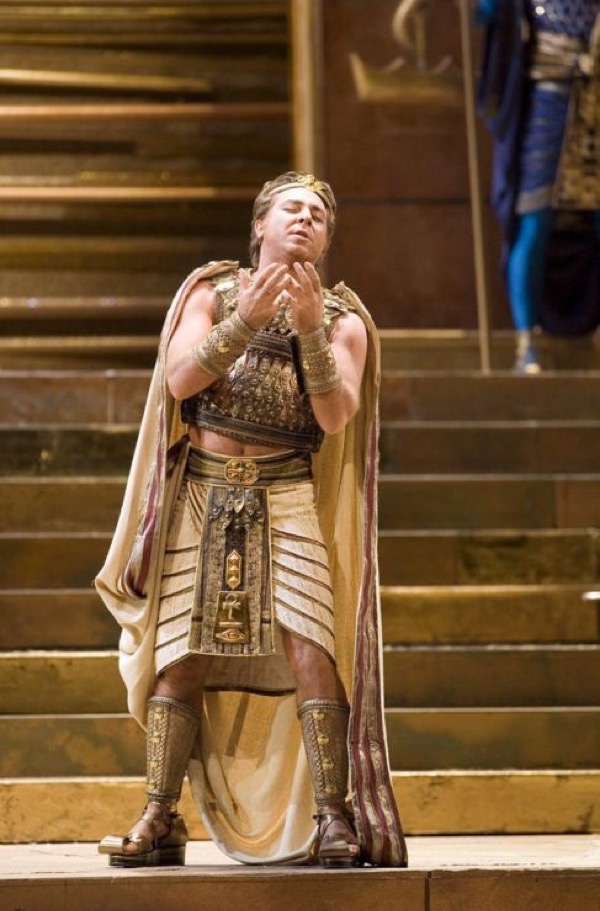
Roberto Alagna as Radamès in Aida
Roberto Alagna is one of the great Verdi tenors of his time. His voice evolved within Verdi’s dramatic imagination, as each role intensified the demands of the previous one. Throughout, Alagna’s interpretive instinct remains consistent, as he preserves a sense of line and expressive directness.
For more of the best in classical music, sign up for our E-Newsletter