Although well known in Vienna, the composer and performer Marianna Martines (1744–1812) was one of the city’s best-known secrets. A keyboardist who studied with Haydn from age 7, at the behest of Metastasio, Martines was an accomplished keyboardist. At age 10, she studied voice with Nicola Porpora, who then had Haydn as his assistant, so Haydn was Martines’ accompanist in her lessons. She did further study with Johann Adolph Hasse and Giuseppe Bonno, the Imperial court composer.
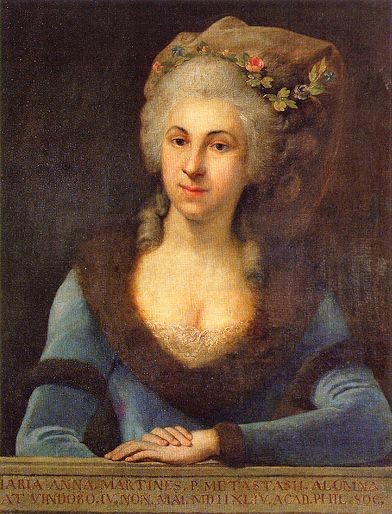
Anton von Maron: Marianna Martines, ca 1780 (Mariahilf, Austria: Haydn Haus)
The close connection to Metastasio, Haydn, and Porpora was helped by the fact that they all lived in the same building on the Michaelerplatz in Vienna. Metastasio (1698–1782) had met Marianna’s brother in Italy, and after he was appointed Poet Laureate of the Holy Roman Empire and called to Vienna, he stayed with the Martines family from 1734 until his death in 1782. Metastasio recognised the young Marianna’s musical skills and arranged for her keyboard lessons with Haydn, who lived in the attic of the apartment building. Porpora, known as an Italian singing teacher and composer, lived on one of the middle floors of the building.
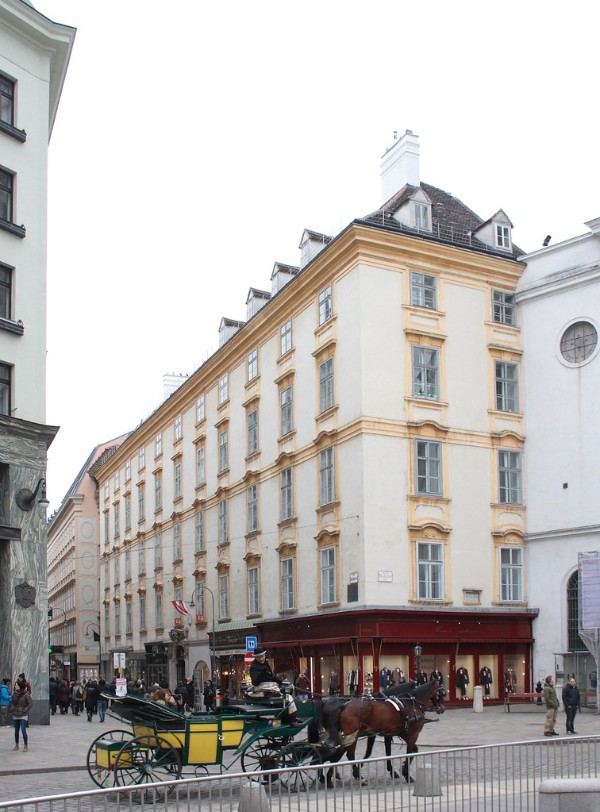
The Großes Michaelerhaus, Wien I
Marianna and her sister Antonia never married and so stayed home and out of the public eye. They kept house for their father and brothers, and, after her father’s death, for Metastasio. He provided support for the sisters and connections, such as suggesting Hasse as her next composition teacher.
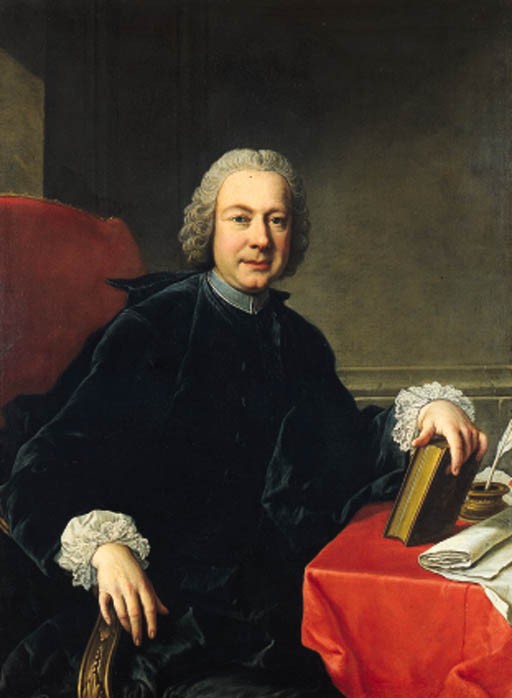
Martin van Meytens or Pompeo Batoni: Pietro Metastasio, ca 1770
As a child, Martines performed at the Imperial court, entertaining Empress Maria Theresa with both her playing and singing. She had no public outlets for her work, so she held weekly at-home salons where musicians such as Haydn and the tenor Michael Kelly came to perform. Mozart also attended and composed 4-hand piano sonatas to perform with Martines.
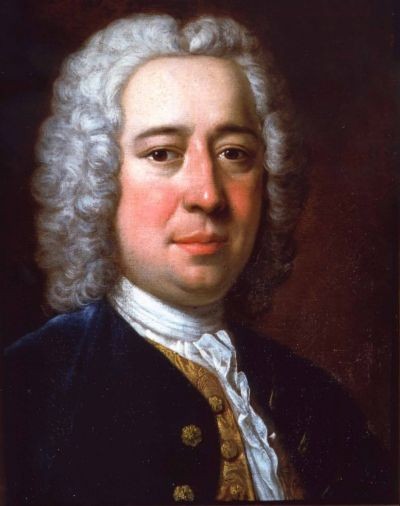
Anon: Nicola Antonio Porpora (International Museum and Library of Bologna)
In keeping with the Viennese salon tradition, Marianna’s salons placed a greater importance on performance than conversation (which predominated in French salons). The salons, also called academies, took the place of public performance due to a lack of purpose-built concert halls in Vienna. The salon-academies were not completely private, but nor were they completely public. Musical travellers, such as Charles Burney, included her in their books and noted that, in a conversation with Johann Adolf Hasse, Hasse said that he thought Martines possessed a rare talent for music, adding that she sang with great expression, played masterfully, and was very thorough in her counterpoint writing.
With all this talent, why don’t we have her on our regular playlists? As one writer noted, ‘with its focus on public performances and publications as the metrics of success,’ it hasn’t been able to fit women’s contributions into that calculation.
Marianna Martines: Keyboard Concerto in G major – I. Allegro
Addressing this lack, a new recording of Marianna Martines’ works has just been released. Recorded by Idith Meshulam Korman on piano with the Oxford Philharmonic, and conducted by Cayenna Ponchione-Bailey, Martines’ three sonatas and four concerti are presented. Dating from 1762 through 1769, the works are beautiful and inventive. The orchestral writing is perfectly positioned to both support and bring out the melodic lines. Both Korman and Ponchione-Bailey have brought out the best of Martines’ works.
The final sinfonia added the end is a special treat: its humour, its delicacy, and its melodies should add it to the list of greatest classical works to discover.
Marianna Martines: Sinfonia in C major
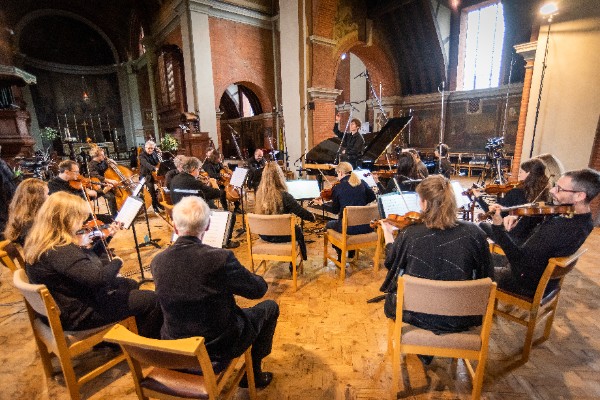
The Performers
Marianna Martines left us with 4 masses, 6 motets, and 3 litanies for choir, and it has been suggested that ‘Mozart modelled his 1768 Mass, K. 139, after the “Christe” of Martines’s Mass No. 1 in D major’. She also wrote oratorios, using texts by Metastasio, and her musical skills brought her admission as the first woman member of the Accademia Filarmonica of Bologna in 1773.
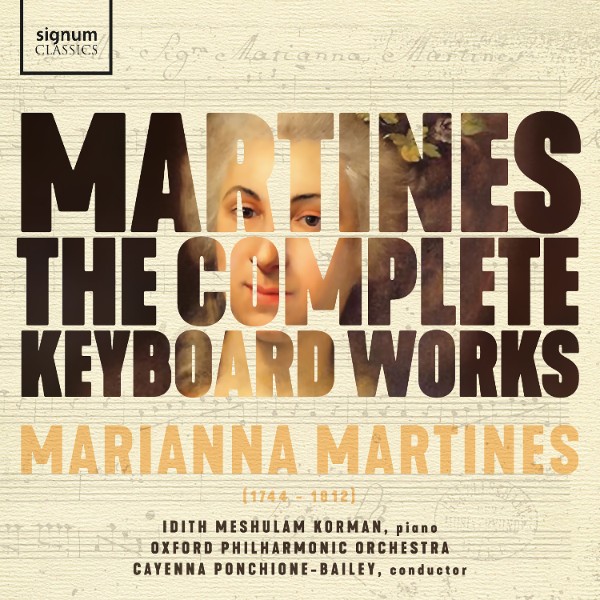
Complete Keyboard Works: Marianna Martines
Idith Meshulam Korman, piano; Oxford Philharmonic, Cayenna Ponchione-Bailey, conductor
Signum Classics SIGCD934
Release date: 17 April 2026
For more of the best in classical music, sign up for our E-Newsletter