Few composers in history have left behind a legacy as massive and scandal-ridden as Richard Wagner.
Today, he is remembered for revolutionising opera with works like Tristan und Isolde, Parsifal, and the Ring Cycle.
But offstage, Wagner’s life was a whirlwind of affairs, betrayals, debts, political uprisings, and personal feuds.
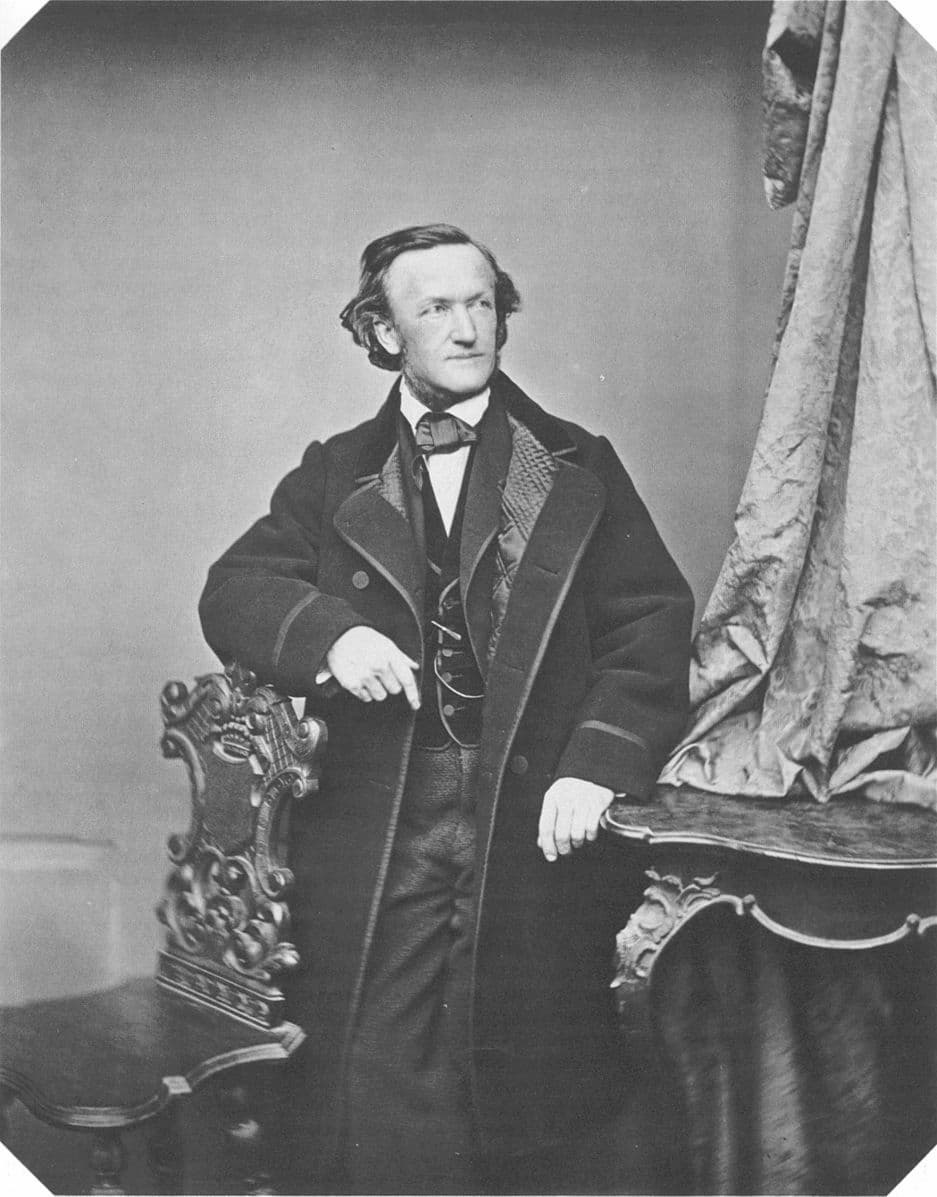
Richard Wagner, 1860
He quarreled with critics, seduced his friends’ and patrons’ wives, manipulated kings for money, and wrote some of the most infamous antisemitic tracts of the nineteenth century. Everything from his paternity to his death, it seems, is controversial.
Today, we’re diving into ten of the most notorious scandals from the colourful life of Richard Wagner.
- The time his parentage was questioned
Richard Wagner’s very conception was shrouded in scandal.
He was born in May 1813 to Carl Friedrich Wagner, a police service clerk, and his wife Johanna Rosine Wagner, the daughter of a baker.
Johanna had once been the teenage mistress of Prince Frederick Ferdinand Constantin of Saxe-Weimar-Eisenach. Unfortunately for Johanna, the prince died in 1793, and her hopes of making a life beyond the middle class were shattered.
She married Carl Friedrich Wilhelm Wagner in 1798. The couple were close friends with an artist, author, and actor, Ludwig Geyer.
After Wagner died in late 1813, Johanna and Ludwig were married in 1814. At the wedding, she was already pregnant with Ludwig’s child.
It is unclear when the romantic relationship began, and there is a possibility that Ludwig was Richard Wagner’s biological father.
- The many times he fled his debtors
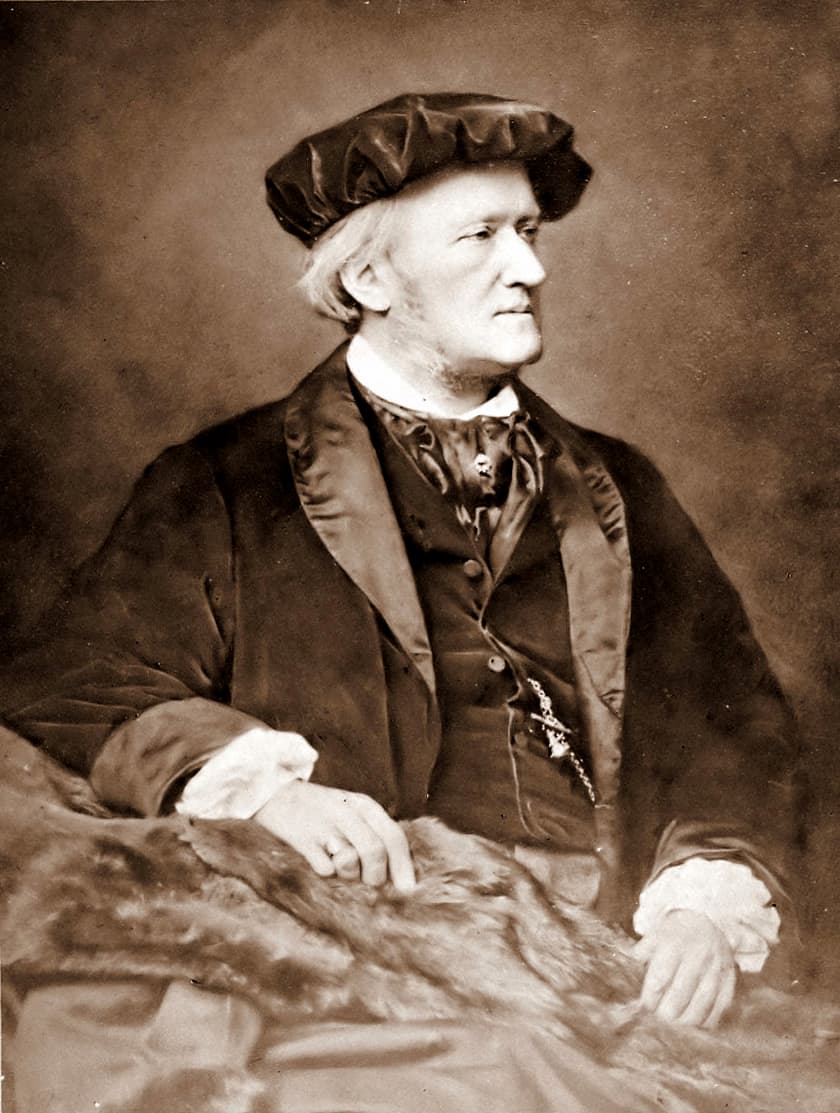
Richard Wagner
Richard Wagner was chronically in debt throughout his life. Not only did he often have trouble earning money; he loved living beyond his means. He had a weakness for luxuries like perfume and silk underwear.
There were multiple times throughout his life when he had to flee a city or country to escape imprisonment for his debts.
On top of his legal trouble, he was perpetually shameless about asking friends and patrons for money (that he rarely paid back).
- The time he plagiarised himself
In the 1840s, Wagner sold the story of The Flying Dutchman to the Paris Opera.
Conductor and composer Pierre-Louis-Philippe Dietsch then composed an opera on the scenario called Le vaisseau fantôme (The Ghost Ship)…which flopped.
Wagner then turned around and wrote his own opera The Flying Dutchman, which employed the same plot. It premiered in 1843.
Wagner had, in effect, stolen his own idea!
The Flying Dutchman overture
- The time he became a revolutionary during the 1849 Dresden uprising
During the early part of his career, Wagner was swept up in the revolutionary movements that were spreading like wildfire across Europe.
When he lived and worked in Dresden, a hotbed of liberal activity, he became involved with the underground effort to democratise and unify Germany.
Wagner was one of the revolutionaries who facilitated the doomed May 1849 uprising in Dresden. He wrote rabble-rousing articles and even served as a lookout.
The rebellion was quickly crushed, and an arrest warrant was issued for Wagner. He had to flee Germany to avoid prosecution. His exile was the reason he wasn’t able to be present at the premiere of Lohengrin.
- The time he slept with his patron’s wife while still married
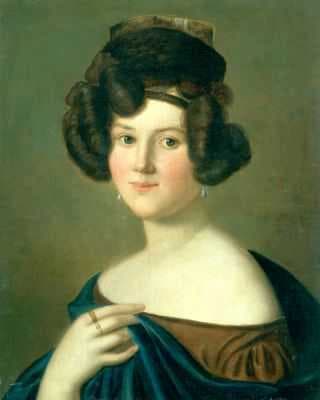
Minna Planer
Wagner married actress Minna Planer in 1836.
The following year, she left him briefly to pursue a relationship with another man, but she and Richard reunited in 1838.
In 1850, the year after they were chased out of Dresden, he embarked on an affair with his friend’s wife, Julie Ritter. They planned on eloping, but Julie’s disgusted husband prevented it.
Two years later, in 1852, Richard met Otto Wesendonck and his poet wife Mathilde. Otto was a wealthy silk merchant, and the couple were arts patrons.
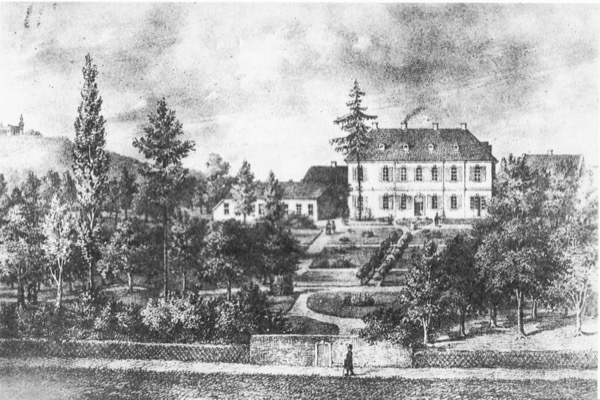
In 1853, Otto began loaning Richard money, and in 1857, the Wagners moved into a cottage on the Wesendonck estate.
Wagner’s obsession with Mathilde inspired the otherworldly eroticism of Tristan und Isolde.
In 1858, Minna intercepted a letter between the lovers, and the affair came to a screeching halt.
Vorspiel und Liebestod from Tristan und Isolde
- The time he manipulated King Ludwig II’s admiration to gain power and money
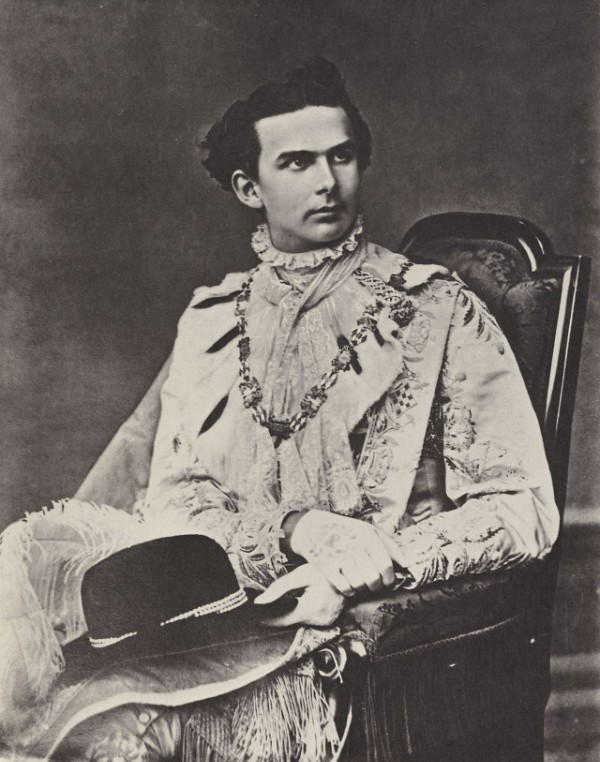
Ludwig II of Bavaria
In 1864, King Ludwig II of Bavaria came to power.
He was a handsome, artistic, eccentric eighteen-year-old prince, and he had a secret. He was gay. And he was lonely.
Ludwig was obsessed with the 51-year-old Wagner’s operas and decided to begin supporting Wagner and financing his work.
After their first meeting, Wagner wrote:
“Alas, he is so handsome and wise, soulful and lovely, that I fear that his life must melt away in this vulgar world like a fleeting dream of the gods.”
Wagner’s profligate spending – and the impressionable young king’s obsession with him – became a concern of Ludwig’s advisors. There were fears that Wagner was meddling in state affairs.
In December 1865, Wagner left for Munich to cool the scandal. Ludwig offered to abdicate so he could follow him. Wagner convinced him not to.
Ludwig’s financial support ensured the completion of the Ring Cycle, as well as the construction of the opera house at Bayreuth.
The king faced a tragic end…but that’s a horrific story for another day!
A mini documentary about King Ludwig II
- The time he married his champion’s wife, Cosima von Bülow
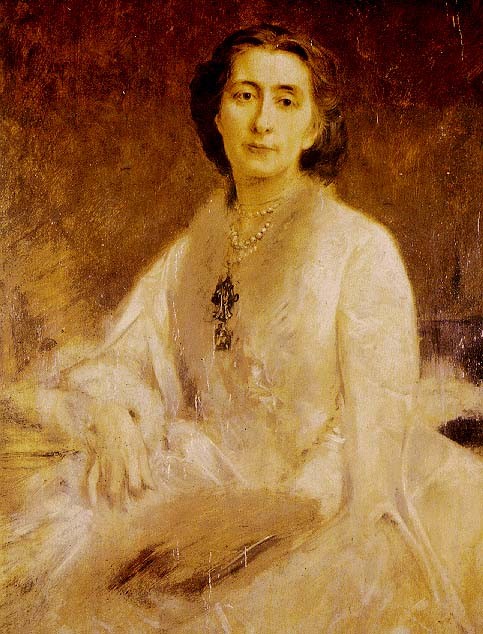
Cosima Liszt
Wagner initially met Cosima Liszt, Franz Liszt’s illegitimate daughter, when Richard was forty and Cosima was fifteen.
In 1857, when she was nineteen, she married her piano teacher, Hans von Bülow. Hans von Bülow went on to become a famous conductor who was a major champion of Richard Wagner’s works.
Cosima and Richard reconnected in 1862. Richard later wrote, “I felt utterly transported by the sight of Cosima…she appeared to me as if stepping from another world.” They confessed their love for one another in late 1863.
By the summer of 1864, the relationship had become physical, and Cosima became pregnant with Wagner’s child.
They had three children together before Hans von Bülow agreed to a divorce. Minna Wagner had died in 1866, so in 1870, Richard and Cosima were free to finally marry.
- The time he feuded with Vienna’s leading critic, Eduard Hanslick
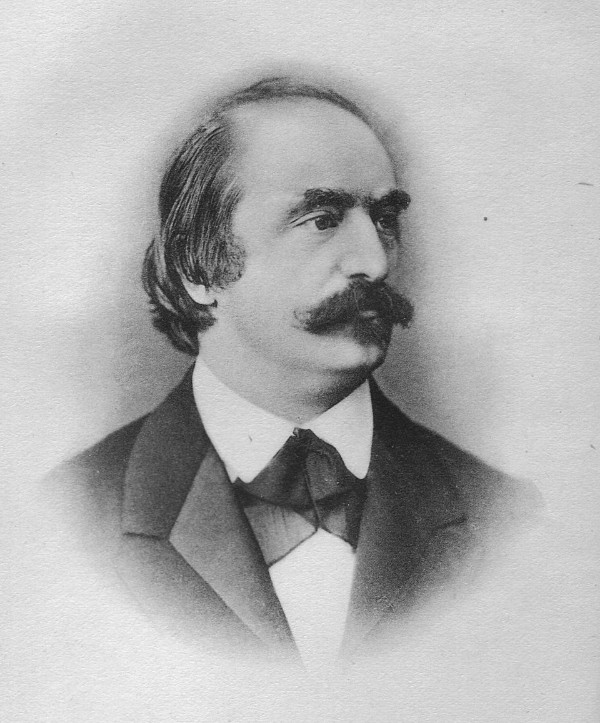
Eduard Hanslick
Wagner got into an ongoing battle with the leading Viennese music critic Eduard Hanslick.
Hanslick often criticised Wagner’s forward-looking operas, preferring more traditional styles.
In retaliation, Wagner satirised Hanslick as the character Sixtus Beckmesser in his opera Die Meistersinger von Nürnberg.
Die Meistersinger von Nürnberg
In the opera, Beckmesser is a pompous, pedantic critic-figure, depicted as foolish and small-minded – a clear lampoon of Hanslick. Wagner almost named the character Hanslich. (Subtle!)
Hanslick, meanwhile, made the dry observation that Wagner “developed the habit of regarding as a Jew anyone he didn’t like.”
- The time he fought with his wife, which might have killed him
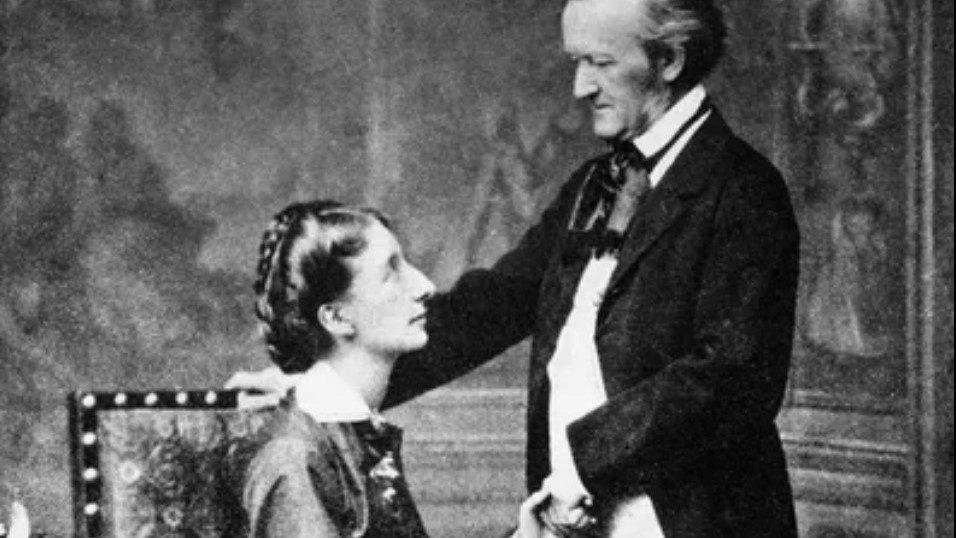
Richard and Cosima Wagner (photograph by Fritz Luckhardt, 9 May 1872)
Even in Wagner’s final years, the reputation he’d garnered as a womanizer occasionally came back to haunt him. Rumors of dalliances persisted for decades.
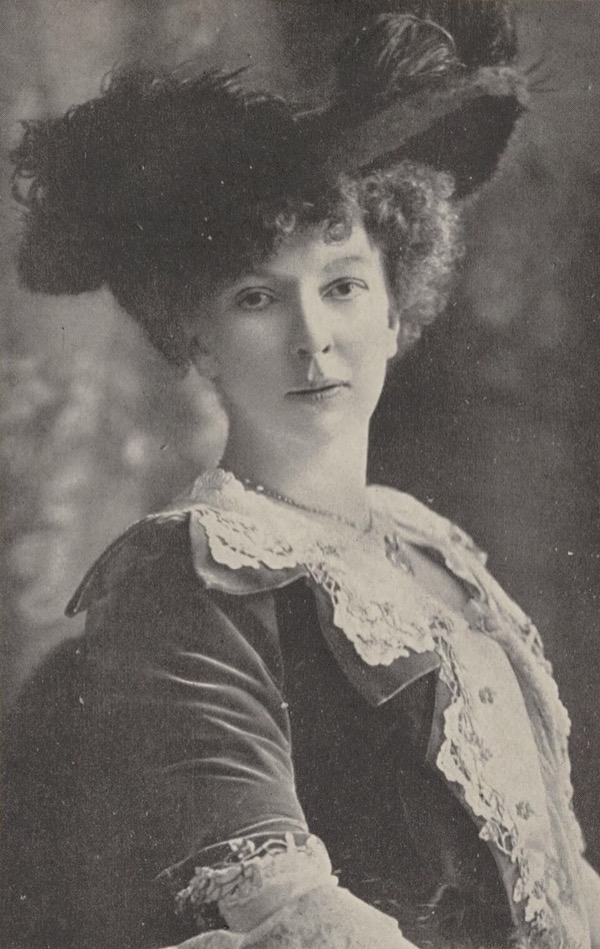
One of the juiciest rumours is that he’d been flirting with English soprano Carrie Pringle, and that he’d had an argument with Cosima about her a few hours before his death. It was said that the argument contributed to the heart attack that killed him.
Unfortunately for the gossipers, modern scholarship has failed to find evidence of an affair. But this rumour is still the thing Carrie Pringle is best remembered for today.
- The time he was a nightmare of an anti-Semite
Of course, the biggest Wagner scandal and controversy is his intense, decades-long embrace of anti-Semitism.
Even in an era rife with it, Wagner’s anti-Semitism was notably intense and depraved, and his beliefs and attitudes disgusted many of his colleagues.
The most infamous of his writings is his 1850 pamphlet “Das Judenthum in der Musik” (“Jewishness in Music”), which was initially published under a pseudonym in a Leipzig music journal.
That would have been bad enough, but in 1869, he republished the piece under his own name…linking himself irrevocably to these odious views.
Cosima, also deeply anti-Semitic, agreed with her husband’s views. She was in charge of the Bayreuth Festival and managing her husband’s legacy until her own death in 1930.
By that time, the groundwork was laid for a connection between Wagner’s legacy…and the Nazis’. As you can imagine, his connections to Hitler’s ideology are a deeply emotional topic still discussed and debated heatedly today.
His anti-Semitism will forever be the greatest controversy and stain on Wagner’s legacy.
For more of the best in classical music, sign up for our E-Newsletter