As much as one can try to preserve art from being tainted with political ideologies, promotions and intentions, history has shown that it has often been objectified to serve political purposes. Particularly when it comes to music. Whether from the artists themselves — most of the time in signs of disagreement and/or protest —, or from political leaders —, and in that case, often against the intention of the artist and with the goal of decontextualising the musical work.
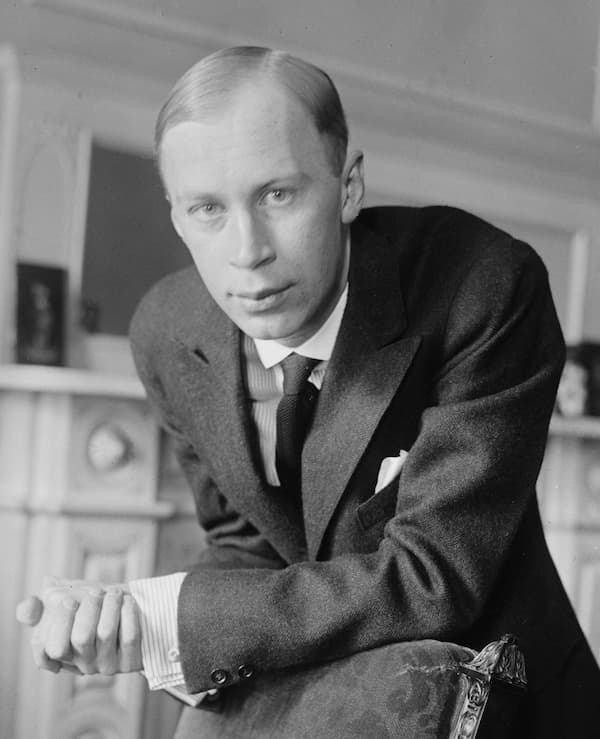
Sergei Prokofiev, ca 1918
Some of the greatest examples of music and politics happen during the Soviet era in Eastern Europe and Russian-speaking countries, for instance, such as with the music of Shostakovich, Prokofiev and Khachaturian. Nowadays, it is quite difficult to apprehend and understand their music, detaching itself from the political context of the time. In the popular world, the American counterculture of the 1960s is another prime example of artists and musicians at the service of politics.
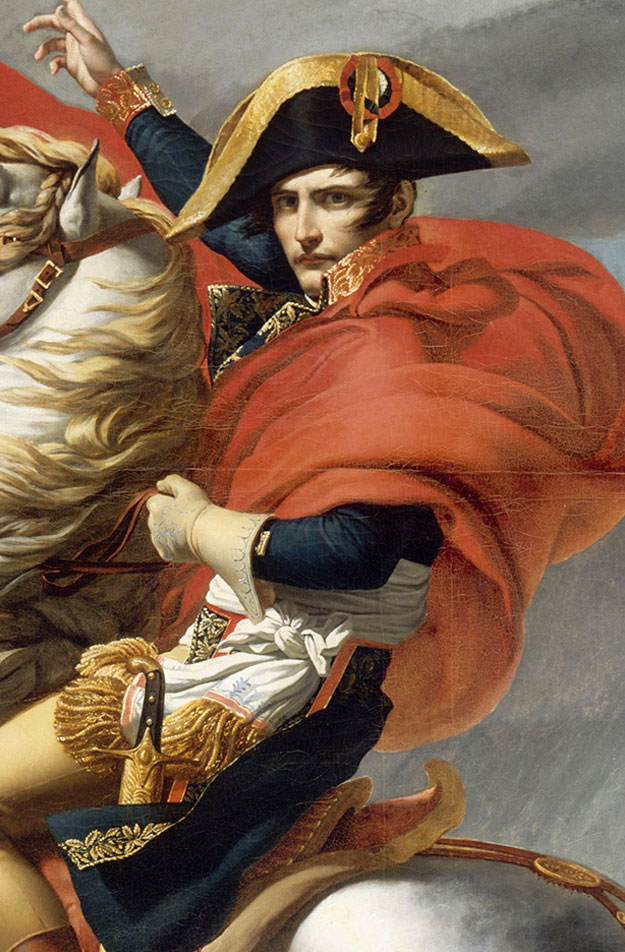
Napoleon Bonaparte
Back in the 19th century, although known for his deeply emotional and personal music, Beethoven did, particularly on one now very famous occasion, influence his work with the political context of the time. A great admirer of Napoleon, he once dedicated his third symphony to him; however, he changed its dedication and title from “Bonaparte” to “Heroic” when Napoleon crowned himself emperor. The dedication mentioned that it was composed to celebrate the memory of a great man.
Beethoven: Symphony No. 3 “Eroica”
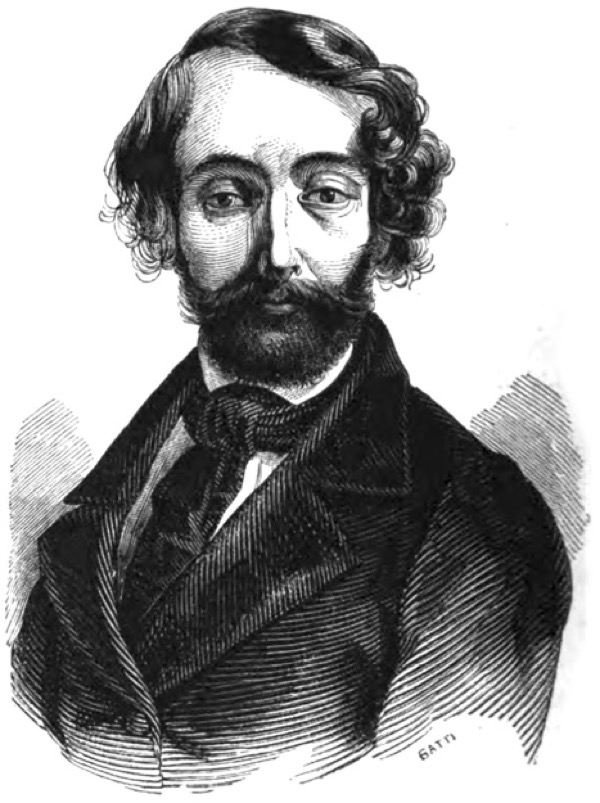
During the same time, Verdi, one of the most famous and prolific opera composers, was, from 1859, more and more involved in the politics of Italy, and particularly through the Risorgimento movement. In fact, the slogan “Viva Verdi”, seen all across Italy, was used as an acronym for Viva Vittorio Emanuele Re D’Italia (“Long live Victor Emmanuel II, King of Italy”), referencing the then king of Sardinia and future king of Italy. Once Italy was united, Verdi held a seat in parliament. His opera Nabucco features a chorus inciting the Italians to refuse Austrian and French domination.
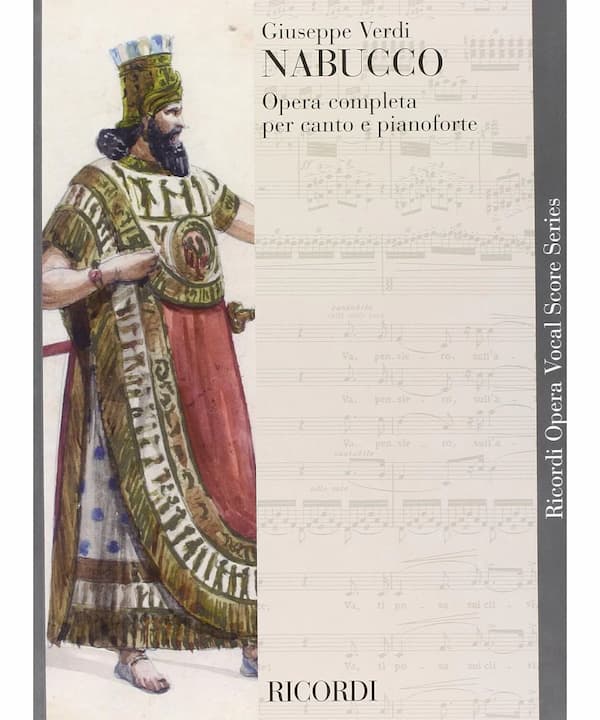
Giuseppe Verdi’s Nabucco
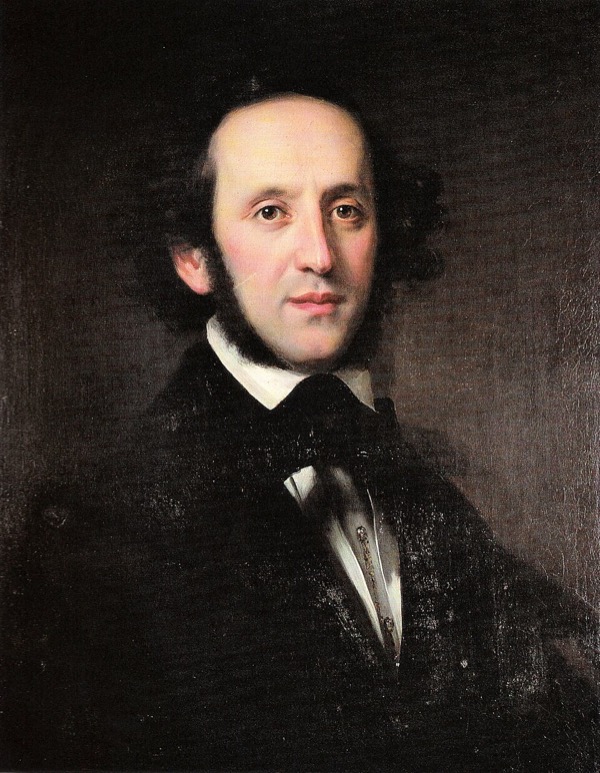
During the Second World War, Orff’s Carmina Burana was re-appropriated and performed in Nazi party functions, and to some, it almost became the official anthem. Whilst some composers like Orff were favoured by the Nazis, some, like Mahler — a Jewish Austrian — and Strauss — often associated with Jewish writer Stefan Zweig — were eclipsed from concert programs and performances. Nowadays, Haydn’s “Gott erhalte Franz den Kaiser” forms the basis of the German national anthem, even though it went through darker times during the Nazi regime; it is still present in the Deutschlandlied to this day.
André Rieu – O Fortuna (Carmina Burana – Carl Orff)
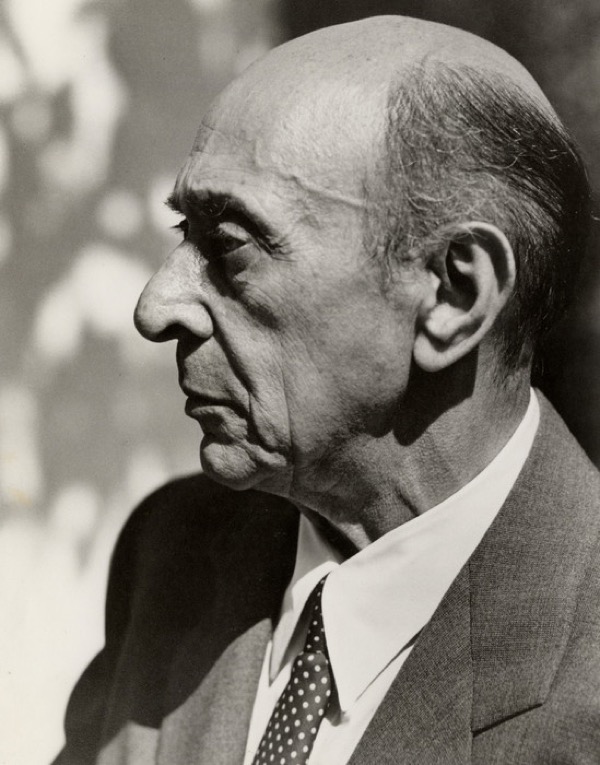
In Communist Russia, of course, music was used as a medium to influence the masses. Through the regime of Stalin, Shostakovich was criticised on multiple occasions. On the contrary, Prokofiev promoted the success of the Soviet Union, and Khachaturian celebrated the overthrow of the Czar through his music. In recent times, Pärt‘s artistic direction has been forever influenced by the activities of the Soviet regime.
The meeting of music and politics is not exclusive to Western classical music, though, and musical and political activism passes through the barriers of genres, too. This has especially been seen from the folk music — of Bob Dylan and Joan Baez, for instance — to the rock activism of Rage Against the Machine, the rap protest of NWA and of course the entire counterculture of the 1960s and 1970s. In fact, popular music is perhaps the music that focuses the most on delivering a message, which often highlights the political climate of the times. The question to ponder on, though, is whether music should accept this association, or not…
For more of the best in classical music, sign up for our E-Newsletter