When William Christie was born on 19 December 1944 in Buffalo, New York, few could have predicted that he would become one of the most influential champions of French cultural heritage since the Enlightenment.
Yet this soft-spoken American, armed with little more than a harpsichord, a scholar’s patience, and an almost comical stubbornness, would eventually teach France the startling lesson that some of its most luminous artistic treasures had been hiding in plain sight.
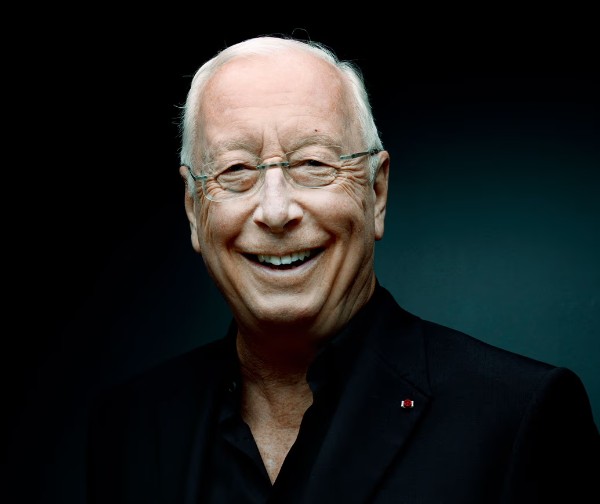
William Christie
To commemorate his birthday on 19 December, let’s explore how Christie became a guardian of a heritage not by claiming it, but by returning it to the people who had lost sight of it.
William Christie/Les Arts Florissants perform Campra: Messe de Requiem (excerpt)
An American Abroad
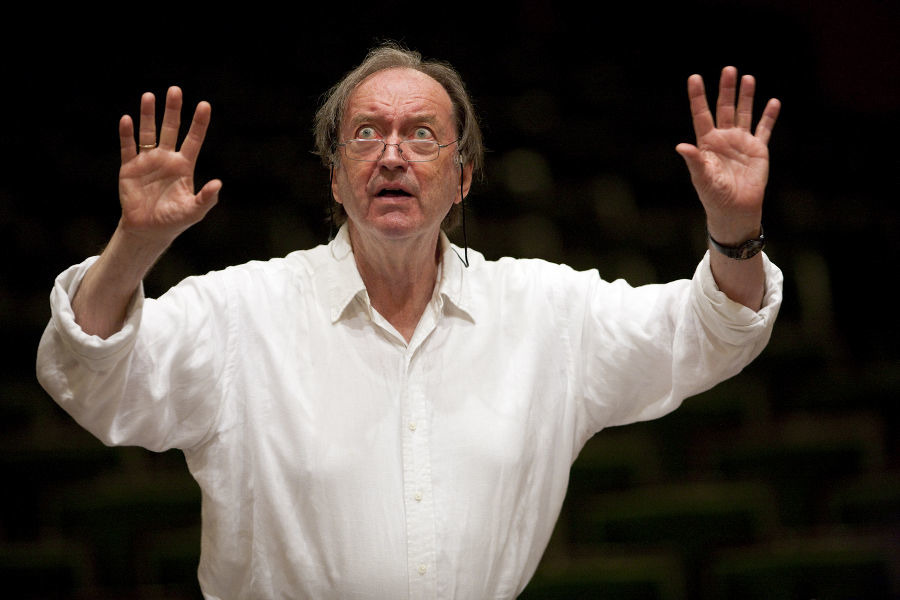
Nikolaus Harnoncourt
After completing studies at Harvard and Yale, where he was shaped by the early-music revolution led by Gustav Leonhardt and Nikolaus Harnoncourt, he found himself increasingly drawn to Europe.
The United States in the 1970s, still suspicious of historical instruments and wedded to big-orchestra Bach, felt oddly inhospitable to the nimble, stylish, and rhetoric-driven sound world he loved.
So Christie, like many musicians before him, embarked on a transatlantic pilgrimage in search of artistic oxygen. Paris, quite unexpectedly, became his home. But what he encountered was somewhat dispiriting.
William Christie/Les Arts Florissants perform Rameau: Les Fêtes d’Hébé (excerpt)
Forgotten Golden Age
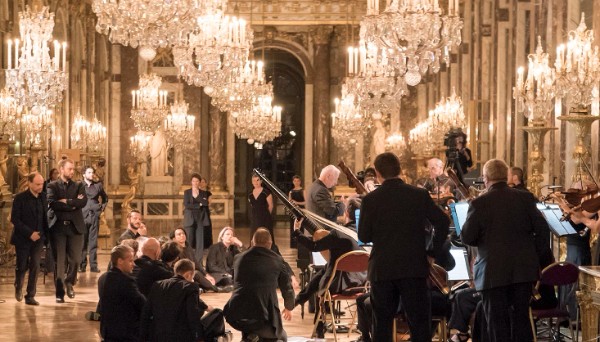
Les Arts Florissants
France possessed one of the most sophisticated artistic histories in Europe. Its 17th- and 18th-century courts had shaped the continent’s taste in everything from architecture to etiquette. Yet the French Baroque, particularly Lully, Charpentier, Campra, and Rameau, remained a vast, dust-covered attic.
Opera houses programmed almost none of it. Major conservatories taught it only in passing. Even the French public, proud of Racine and Molière, seemed strangely deaf to the glittering musical universe that had surrounded them.
Christie understood this amnesia not as a lack of material, but as a lack of imagination. French Baroque music required a distinctive sensibility, including a blend of dance rhythm, spoken declamation, sensual ornament, noble restraint, and theatrical wit.
William Christie/Les Arts Florissants perform Charpentier: Messe de minuit pour Noël
The Workshop Years
It was a repertoire built on precise codes that could not simply be guessed at. Without the right tools, the music appeared stiff, decorative, and oddly pale. So Christie decided to change the tools.
In 1979, Christie founded “Les Arts Florissants,” an ensemble named after a Charpentier opera he hoped to revive. In its early years, this was more dream than institution. Rehearsals took place in cramped spaces, and funding was uncertain.
The harpsichords were often borrowed or precariously repaired. But Christie had a missionary’s conviction. He was shaping not only performances but a new musical language.
The breakthrough came with their 1987 production of Lully’s Atys. Directed by Jean-Marie Villégier, the staging was visually austere, dramatically taut, and musically incandescent. The performance revealed a world that was both foreign and instantly compelling.
William Christie/Les Arts Florissants perform Lully: Atys (excerpt)
Cultural Mirror
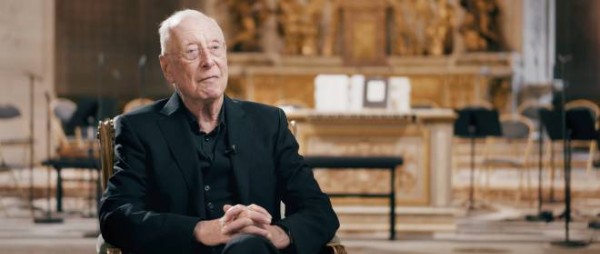
William Christie
It revealed a France ruled by the power of gesture, elegance, and emotional control. A music in which a single dissonance could feel like a confession.
Audiences were stunned, and critics raved. Suddenly, France rediscovered a forgotten mirror of its own cultural past. Under his influence, a generation of singers learned to shape vowels with luminous clarity, and instrumentalists learned to dance as they played.
What made Christie’s approach so radical was its integration of scholarship and theatre. He believed that historically informed performance was not an academic project but a deeply emotional one.
William Christie/Les Arts Florissants perform Rameau: Les Indes Galantes (excerpt)
From Devotion to Legacy
Christie became a charismatic educator and a French citizen in 1982. He embraced French heritage with a devotion that sometimes surpassed that of native institutions. His recordings became international reference points.
Through his teaching at the Juilliard School and his creation of the young-artists programme, Christie shaped a global network of musicians fluent in the stylistic subtleties of the French Baroque.
But Christie’s path was not one of appropriation; it was one of stewardship. He saw value where others saw clutter. He heard meaning where others heard mannerism. And through decades of meticulous labour, he helped an entire country hear itself again, and perhaps more clearly than before.
For more of the best in classical music, sign up for our E-Newsletter