No country does winter like Russia, and no composer evokes Russia like Tchaikovsky.
Today we’re looking at Tchaikovsky’s most wintry works.
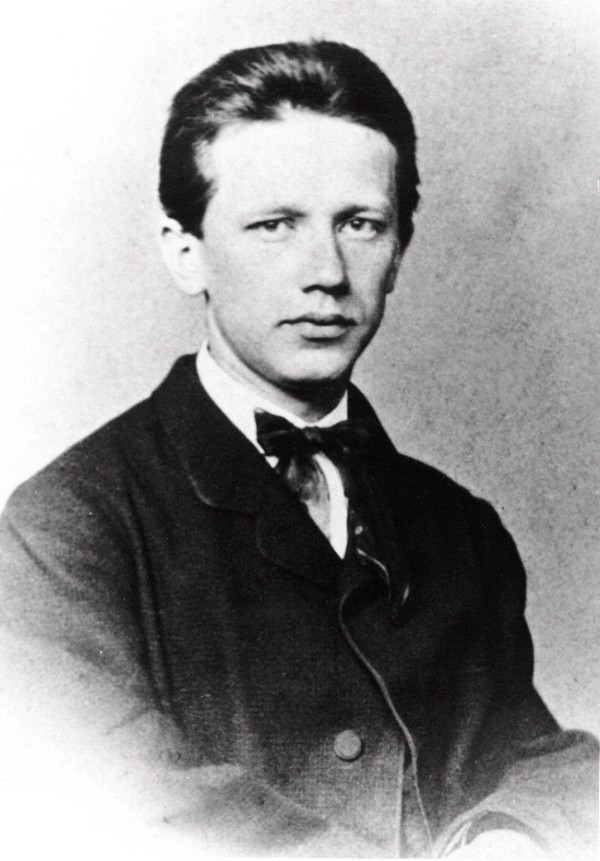
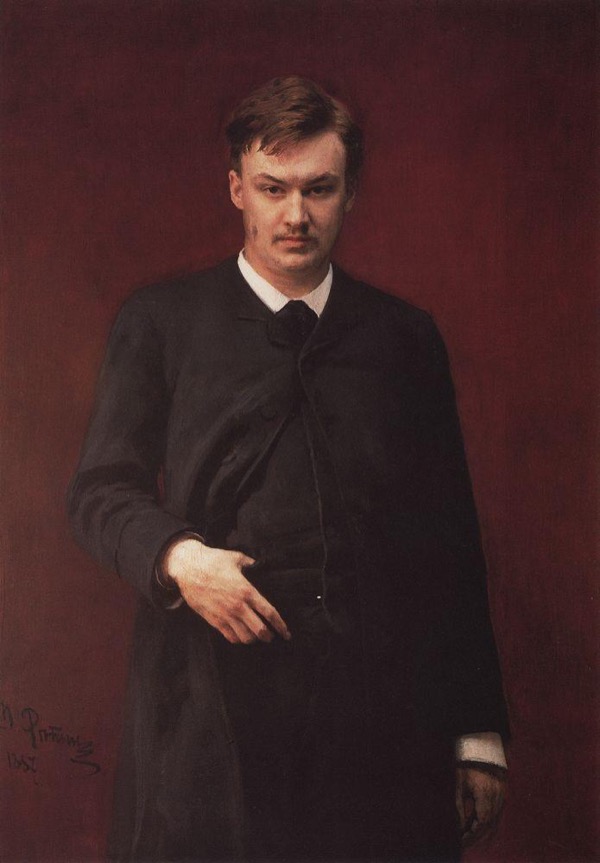
Pyotr Ilyich Tchaikovsky at 23
What makes a piece of classical music “wintry”, you might ask?
Here’s a starting point:
- References in the title to the season. For example, Tchaikovsky wrote a series of twelve piano pieces called The Seasons, with each piece meant to represent each month. “November” from The Seasons is wintry.
- Instrumentation choices. An orchestration that’s heavy on instruments like cellos, violas, or French horns might feel darker, especially compared to an orchestration that showcases brighter-toned instruments like piccolos, trumpets, or violins.
- A generally melancholy mood. Cold, dark weather means that winter is a time of reflection and taking stock. Ideally, wintry classical music would reflect that mood.
Any classical music lover could come up with their own subjective wintry Tchaikovsky playlist, but here’s ours, embodying both the charm and chill of winter.
The Seasons: November (Troika)
Tchaikovsky wrote The Seasons, a cycle of piano pieces, in 1876.
November’s entry is titled Troika, a reference to a speedy Russian sleigh that requires three horses to pull.
The word is also a reference to a Russian folk dance, in which dancers imitate the prance of the horses.
Every piece in Tchaikovsky’s Seasons is prefaced by a brief sliver of Russian poetry. Troika begins with an excerpt from Nikolay Nekrasov:
In your loneliness do not look at the road,
and do not rush out after the troika.
Suppress at once and forever
the fear of longing in your heart.
Loneliness and longing are quintessential Tchaikovsky themes!
In this three-minute gallop, Tchaikovsky paints an evocative picture of horses running and sleigh bells ringing. The piece also clearly suggests an inner turmoil that the poet is trying to escape.
Sérénade mélancolique
Tchaikovsky wrote his Sérénade mélancolique in February, deep into the winter of 1874-1875. It came immediately after his first piano concerto (which, spoiler alert, will also be making an appearance on this list!).
The piece sounds wintry from the soloist’s entry on the G-string, the lowest-pitched of the violin’s four strings.
Writing a whole melody to be played on the G-string requires shifts (i.e., slides). This creates a rich, subdued tone and yearning mood, perfect for winter.
A livelier, higher-pitched middle section (starting at 2:20 in the video above) only serves to emphasise the low notes once they return (at 9:55 above).
It sounds a bit like coming back home alone in the snow after the glitter and bright lights of a holiday party.
Symphony No. 1 (“Winter Dreams”), Movement 1
Tchaikovsky began writing his first symphony in 1866 at the age of twenty-six, during a period of mental and physical struggle.
He had just accepted a professorship at the Moscow Conservatory, and he wanted to write a work that would both codify the ideas he’d learned as a student and typify what he wanted to teach.
However, he worked so hard on the project that a doctor prescribed complete rest.
The first movement is subtitled “Dreams of a Winter Journey.” The journey in question seems to be a turbulent one.
Sometimes the traveler implied in that subtitle seems to be galloping to reach a destination; other times he or she seems to be stuck in a rut. Those who have ever driven or flown in the snow know the mood that Tchaikovsky is portraying.
Symphony No. 5, Movement 2
Unlike Tchaikovsky’s first symphony, his fifth doesn’t have an explicitly written program connecting it to winter.
However, its slow movement features one of the most stunning French horn solos in the entire repertoire, and the warm tone of a French horn is always perfect for a cold and quiet time of year.
The lush string writing that accompanies the solo, and the sympathetic colour Tchaikovsky provides in the woodwinds, all combine to create a deeply nostalgic mood.
The Nutcracker: A Pine Forest in Winter
No wintry Tchaikovsky playlist would be complete without an excerpt from his holiday classic The Nutcracker.
However, instead of a well-known excerpt like the Waltz of the Flowers or the Dance of the Sugar Plum Fairies, we’re looking at a less frequently performed excerpt from the end of The Nutcracker’s first act.
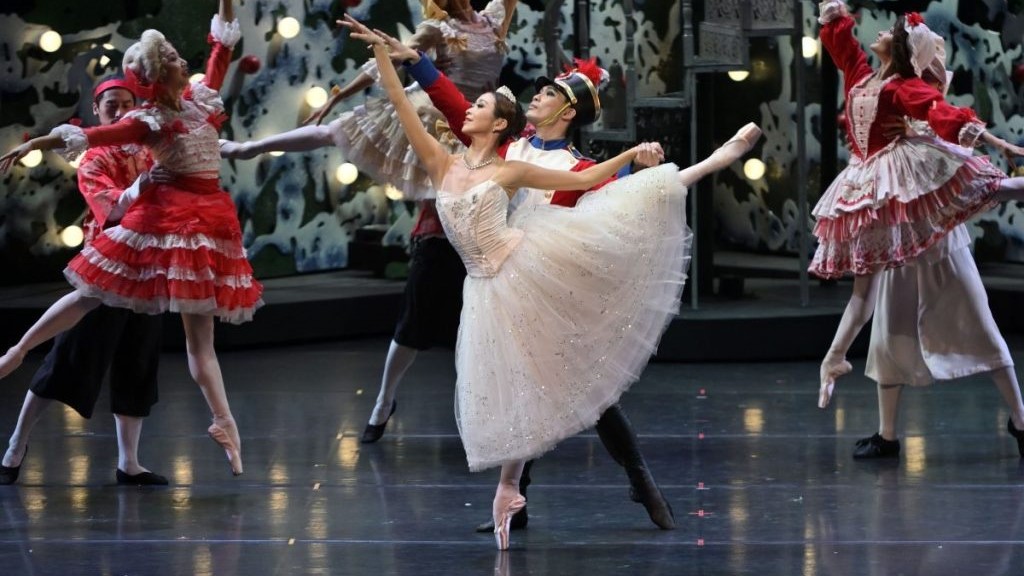
The Nutcracker Ballet © Conrad Dy-Liacco/Hong Kong Ballet
The ballet’s dreaming protagonist, Clara, has just helped a nutcracker defeat an army of mice led by the Rat King…by throwing her slipper at him!
After the battle, the nutcracker turns into a prince, and together he and Clara set off on a Christmas Eve journey into a forest of moonlit fir trees.
This music shimmers. Harp glissandos provide an elegant accompaniment to the strings. Listening, it is easy to envision a carpet of snow, stands of majestic fir trees, and an ivory moon hanging in a cold black sky.
Piano Concerto No. 1, Movement 1
This selection may be more majestic and outwardly extroverted than the others on this list, but it’s no less wintry.
Tchaikovsky writes a lot of very intense and heavy chords for his pianist, and he isn’t afraid to spend time in the muddier lower register of the instrument. He contrasts those passages with rapid fleet-fingered ones.
This combination of warm and deep tones, alongside colder and brighter ones, creates a wintry atmosphere.
The orchestration contributes, too, from the famous French horn calls that open the first movement, to the rich sweeping strings with their dramatically soaring melodies.
Serenade for Strings, Movement 2
The second movement from Tchaikovsky’s Serenade for Strings is a delightfully soulful little Russian waltz.
As its name suggests, the Serenade for Strings was written solely for strings: violins, violas, cellos, and basses.
Since there is no brass or woodwind section here, listeners get to pay closer attention to instruments like the violas, cellos, and basses that otherwise can get lost in an orchestra’s texture.
These instruments boast dark, rich tones, and in Tchaikovsky’s Serenade, their parts can be heard and appreciated, giving the work a warm, melancholy, wintry air.
Piano Trio in A-minor
Tchaikovsky wrote his Piano Trio in A-minor in December 1881 and January 1882. It certainly feels as if some of that contemplative winter atmosphere found its way into the score.
It was written in memory of pianist, conductor, and composer Nikolai Rubinstein, who had died in early 1881. (The work is subtitled À la mémoire d’un grand artiste, or “In memory of a great artist.”)
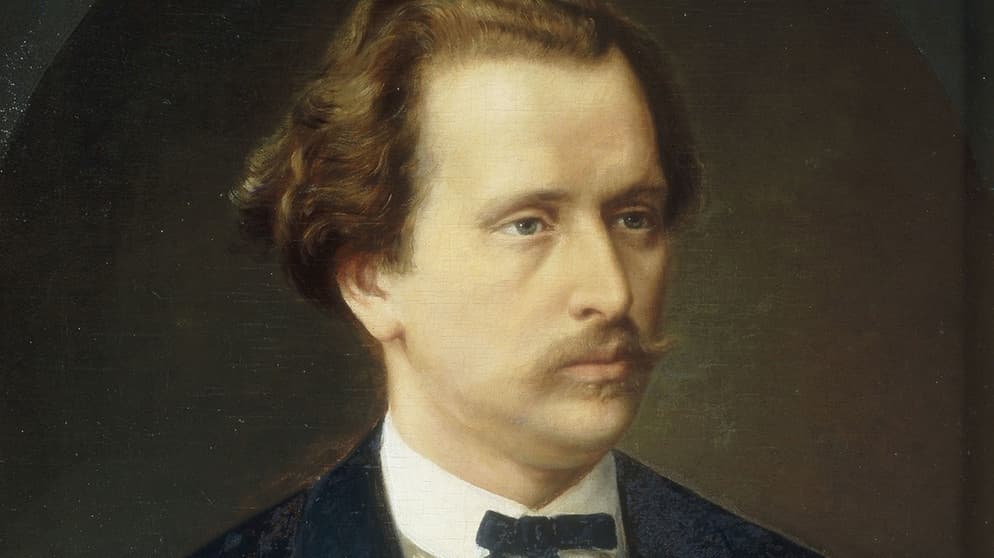
Nikolai Rubinstein
The work begins with a sorrowful cello solo, accompanied by cascading broken chords in the piano that sound like snowfall.
Although the trio has a few stolen moments of joy in it, the tragic opening cello solo ultimately reappears at the end, in the guise of a death march.
During the final measures, the solo piano plays as quietly as it can, the strings having fallen quiet. It is a deeply affecting goodbye…and perfect for a winter night.
For more of the best in classical music, sign up for our E-Newsletter