In 2025, political activism within the classical music community has intensified, largely driven by ongoing global conflicts, particularly Israel’s actions in Gaza and Russia’s war in Ukraine. Musicians, conductors, and institutions are increasingly using their platforms to advocate for ceasefires, condemn genocides, and challenge cultural complicity.
In today’s post-truth environment, the ancient debate over whether art should remain apolitical is argued with freshly-charged ferocity. Isaac Stern once said that “artistic life can never be divorced from political life,” and Evgeny Kissin profoundly embodies this intersection of artistry and activism.
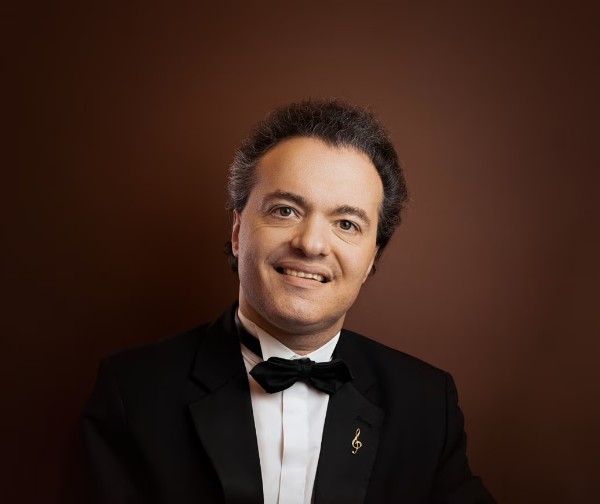
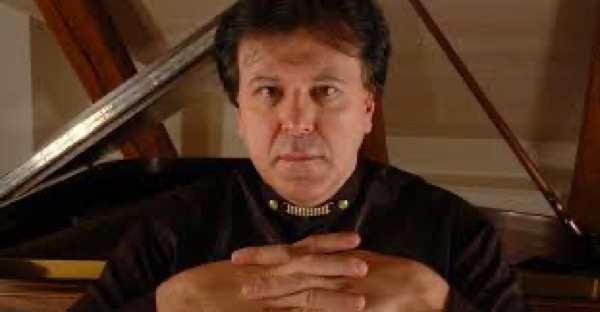
Evgeny Kissin
To commemorate Evgeny Kissin’s birthday on 10 October, let us celebrate one of the finest pianists of his generation, a man who transformed his grief over Russia’s invasion of Ukraine into both a haunting composition and a target on his back.
Evgeny Kissin: Piano Trio, Op. 6
Unmasking Hypocrisy

Born in Moscow on 10 October 1971 to Jewish parents, Kissin emerged as a child prodigy. By his teens, he had conquered the world’s concert halls, yet this façade of Romantic elegance was concealing the antisemitism that permeated the Soviet Union.
In a candid 2022 interview with BBC Music Magazine, Kissin recalled how, as a Jewish child, he was marked as an outsider in a nation that professed equality but practised exclusion.
“Russia has literally been teeming with fascist organisations and publications” since the Gorbachev era, he asserted, decrying the hypocrisy of Vladimir Putin’s claims that Ukraine harboured Nazis while Russia shielded its own ultranationalists.
Evgeny Kissin plays Chopin: Polonaise in F-sharp minor, Op. 44
Call for Justice

Evgeny Kissin
This history lent urgency to Kissin’s response when, on 24 February 2022, Russian tanks rolled into Ukraine. Just three days later, Kissin released a video statement on social media, his voice steady but laced with sorrow. “War is always grief, tears, blood, and death.”
He branded the invasion a “criminal and vicious act of aggression,” invoking the Nuremberg trials as a precedent for accountability. In a further statement, he also lambasted the failure to impose sanctions after Russia’s 1999-2000 Chechen atrocities, arguing it emboldened invasions of Georgia in 2008 and Ukraine in 2014 and 2022.
This was no isolated outburst as Kissin joined a chorus of Russian artists in an open letter demanding the withdrawal of troops, and emphasising the invasion’s economic devastation on Russia’s cultural sector.
Evgeny Kissin plays Chopin: Polonaise-Fantaisie in A-flat Major, Op. 61
Silence is Complicity
Kissin and his colleagues equated silence with complicity and continued to pen essays critiquing Western hesitancy. “History requires us to help Ukraine win this war,” he wrote, framing the conflict as a bulwark against resurgent Russian imperialism.
From this outrage sprang Kissin’s most poignant artistic riposte, a piano trio for violin, cello, and piano, conceived as a lament for Ukraine’s agony. The seeds of the work predated the invasion but crystallised into a full composition when war erupted.
“It’s about the war in Ukraine,” he told BBC Music Magazine defiantly in October 2022, describing the first movement as evoking “the Russian invasion, the bombings, and the Ukrainian people’s sufferings,” and the second movement “as a meditation on national tragedy.”
Evgeny Kissin plays Chopin: Étude Op. 10, No. 12 in C minor “Revolutionary”
Branded a Traitor
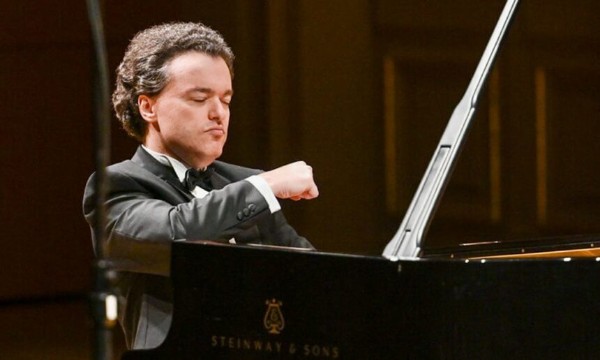
Evgeny Kissin
Kissin’s activism extended beyond musical notes. He donated daily to Odessa’s defences and headlined sold-out benefits like Boston’s Jordan Hall concert in May 2022, decrying Putin as “a maniacal dictator” and condemning a “criminal war” onstage.
These acts emerge from a sense of duty. “I feel I have to do everything I can, whether it’s participating in concerts for Ukraine or writing music for it.” Such valour does invite reprisal, and Russia’s Justice Ministry inscribed Kissin on its “foreign agents” registry.
It’s a draconian label evoking Cold War paranoia, and it stigmatises dissenters as traitors. Kissin, who holds British and Israeli citizenships, faces travel bans, frozen assets, and cancelled recitals. Yet he appears to have unyielding ethical standards, particularly when measuring some of his colleagues. “Even a genius can’t justify supporting a dictator and a murderer,” he declared with reference to Valery Gergiev.
For more of the best in classical music, sign up for our E-Newsletter