Did you know that Antonín Dvořák composed 14 string quartets, plus a quartet movement (B. 120) and the “Cypresses” cycle (B. 152), which includes arrangements for string quartet? Trust me, these gorgeous string quartets are like the ultimate playlist for your soul.
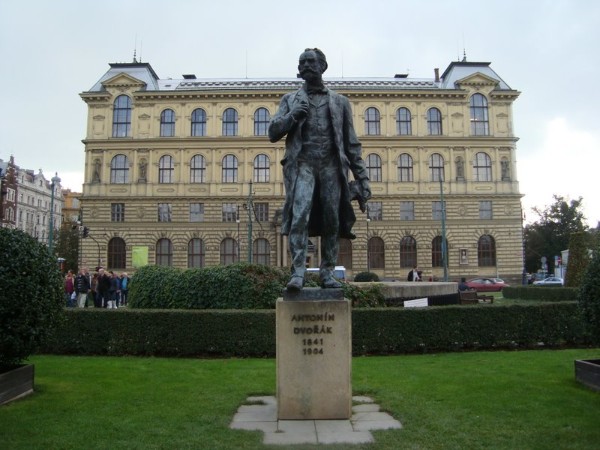
Statue of Antonín Dvořák in Prague
They are part Bohemian village party, part heart-wrenching drama, but they are all genius. Dvořák didn’t just write music; he crafted earworms that stick with you like that one song you can’t stop humming.
Since Dvořák celebrates his birthday on 8 September 1841, we thought it might be fun to listen to 15 beautiful string quartet movements, focusing on their melodic richness, structural innovation and emotional engagement. Are you ready to meet 15 beautiful gems that will make you want to dance, sob, or maybe just confirm that Dvořák is a legend?
Antonín Dvořák: String Quartet No. 12 in F major, Op. 96 “American” I. Allegro ma non troppo”
American Quartet
Let’s get started with Dvořák’s most famous, the String Quartet No. 12, nicknamed “American.” He composed it in 1893 during his time in the United States and had it all finished within a couple of days.
This gorgeous string quartet reflects Dvořák’s fascination with American music, including African American spirituals and Native American melodies, all blended with his Bohemian roots.
The opening movement is a warm and lyrical gem, with a serene pastoral quality. That lilting viola melody over the shimmering string accompaniment evokes the wide-open American landscapes.
Antonín Dvořák: String Quartet No. 12 in F major, Op. 96 “American” II. Lento
The Soulful Lento
For the emotional heart of this quartet, we turn to the deeply expressive slow movement. Its haunting melody, played by the first violin over a gentle accompaniment, is often linked to African American spirituals, but it is an original Dvořák tune.
That melody is a highlight of Dvořák’s chamber output. It is built on a pentatonic scale, giving it a folk-like simplicity.
The central section offers a more hopeful contrast, but the initial theme returns with intensified harmonies and delicate interplay. Its emotional depth and simplicity are simply outstanding.
Antonín Dvořák: String Quartet No. 12 in F major, Op. 96 “American” IV. Vivace ma non troppo
A Joyful Finale
We can’t depart from the “American” Quartet without listening to the exuberant and optimistic finale. It features a hymn-like main theme that blends American and Bohemian influences.
This movement includes a “chugging” motif that some associate with Dvořák’s love of trains. Its exuberance and catchy melodies make it a favourite with listeners and performers alike.
The “American” Quartet is a masterpiece with a beautifully optimistic tone. The pentatonic scales and folk-like melodies give it an accessible “American” flavour, while the composer’s Bohemian roots shine through in the lyrical phrasing and dance-like rhythms.
Antonín Dvořák: String Quartet No. 13 in G Major, Op. 106 I. Allegro moderato
String Quartet No. 13
Shortly after Dvořák returned to Bohemia from the United States, he crafted a string quartet that blends his signature Bohemian lyricism with a renewed sense of homecoming.
Its light and engaging style, and the melodic richness make it a joy to listen to. And the opening “Allegro moderato” has been described as a “masterpiece.”
The opening theme feels like a sunny day in the countryside, and the contrasting theme is more tender and lyrical, all with a touch of wistfulness. Dvořák weaves these ideas together in a spirited development that feels like a friendly chat.
Antonín Dvořák: String Quartet No. 13 in G Major, Op. 106 II. Adagio ma non troppo
Soulful Adagio
Dvořák’s friend Otakar Sourek called the “Adagio ma non troppo” one of the composer’s “loveliest and most profound slow movements.” Soulful and introspective, it is the emotional core of this Quartet.
Actually it’s a number of variations on dual themes, with the gorgeous singing melody introduced by the first violin. It’s rich and heartfelt, with glowing Bohemian warmth.
The evolving variations and heartfelt lyricism create a deeply moving experience, don’t you think? It is certainly a standout movement carrying universal warmth and a sense of home.
Antonín Dvořák: String Quartet No. 14 in A-flat Major, Op. 105 I. Adagio ma non troppo-Allegro appassionato
String Quartet No. 14
Dvořák composed his final String Quartet in 1895. This work is a perfect blend of the composer’s Bohemian roots and his gift for crafting melodies that stick with you.
Its light style comes from its sunny optimism, folk-dance rhythms, and heartfelt lyricism. The opening movement, however, starts with an intensity and a sense of longing that we often associate with Beethoven.
The cello takes the lead in the low introduction, which transitions into a passionate allegro. That shift from the brooding adagio to the fiery allegro is fantastic, and the emotional complexity and powerful melodies make this a favourite Dvořák movement.
Antonín Dvořák: String Quartet No. 14 in A-Flat Major, Op. 105, B. 193 – IV. Allegro non tanto (Takács Quartet, Ensemble)
Festive Fireworks
Joyful and celebratory, the final movement feels like a grand finale at a festival. It’s frenetic and melodic, with plenty of Beethoven quotations and a Czech-inspired close.
In fact, it is a reworking of earlier themes, and the dynamic energy makes this a very compelling movement. There is plenty of liveliness, including an animated and optimistic opening theme.
However, Dvořák also includes plenty of lyrical secondary themes as well, keeping things varied and engaging. It all builds to a vibrant coda that wraps up the quartet with a sense of triumph and joy. It’s a thrilling conclusion to Dvořák’s quartet cycle.
Antonín Dvořák: String Quartet No. 10 in E-flat Major, Op. 51 “Slavonic” I. Allegro ma non troppo
Slavonic Quartet
The so-called “Slavonic Quartet” was composed in 1879 at the request from the “Florentine Quartet.” In the wake of Dvořák’s resounding success with his “Slavonic Dances,” and the “Slavonic Rhapsodies,” the quartet leader also wanted a chamber work in the Slavic style.
As you might expect, the work is bursting with Bohemian folk melodies and dance rhythms, showcasing Dvořák’s ability to blend nationalistic flair with classical finesse.
The opening “Allegro” is simply adored for its lyrical, folk-infused melodies and rhythmic vitality. That catchy opening tune introduced in the first violin is simply infectious, and everything feels natural and spirited, never heavy.
Antonín Dvořák: String Quartet No. 10 in E-flat Major, Op. 51 “Slavonic” II. Dumka
Dumka
The soulful and bittersweet folk ballad is titled “Dumka.” This is a Slavic form alternating between slow melancholic sections and lively, dance-like ones.
It all starts with a mournful, lyrical melody in the first violin, evoking a reflective mood. The middle section shifts to a brighter, faster dance in C major, like a sudden burst of energy. The return of the slow theme is richer, with delicate string interplay, blending sorrow and hope.
The pairing of slow sections with spirited passages creates a dynamic narrative, and it’s that emotional contrast that makes it one of the most famous and approachable movements from Dvořák’s String Quartets.
Antonín Dvořák: String Quartet No. 11 in C Major, Op. 61, B. 121 – I. Allegro (Vogler String Quartet, Ensemble)
String Quartet No. 11
Dvořák’s String Quartet No. 11 in C Major was another commissioned work. It was written for the famous Hellmesberger Quartet in Vienna in 1881, and it reflects the composer’s growing international reputation.
It is composed in a light and accessible style, blending Bohemian warmth with classical elegance. The opening movement bursts out with a spirited and optimistic theme in the first violin, full of Bohemian energy and classical clarity.
The second theme is more lyrical and features a gentle and flowing quality. The development weaves these ideas with playful string interplay, and it all ends in high confidence, with a supremely joyful resolution.
Antonín Dvořák: String Quartet No. 11 in C Major, Op. 61 III. Allegro vivo
Bohemian Bounce
If you are looking for a playful and dance-like movement with a rustic and folksy bounce, look no further than the “Scherzo” movement. It’s full of Bohemian-inspired rhythms and a mischievous spirit.
The strings trade short and spirited motifs and create a sense of joyful momentum in the opening section. The trio is in a contrasting key and offers a much smoother and more lyrical interlude.
The toe-tapping and folk-dance rhythms return with octane-filled and fun energy. For me, this is a perfect example of Dvořák’s ability to make sophisticated music feel effortlessly approachable.
Antonín Dvořák: String Quartet No. 9 in D Minor, Op. 34 – II. Alla Polka: Allegretto scherzando (Vlach Quartet Prague, Ensemble)
String Quartet No. 9
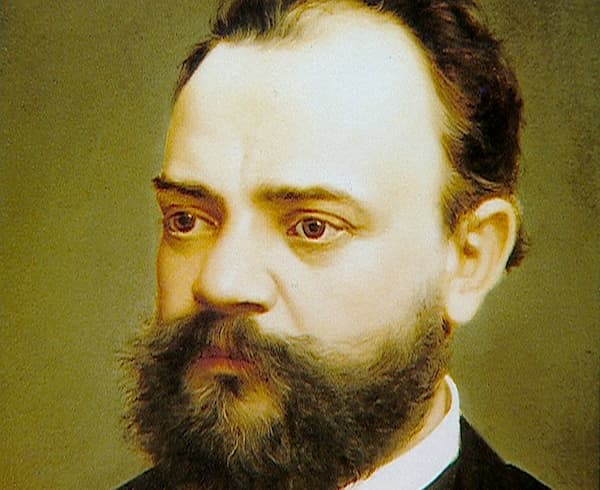
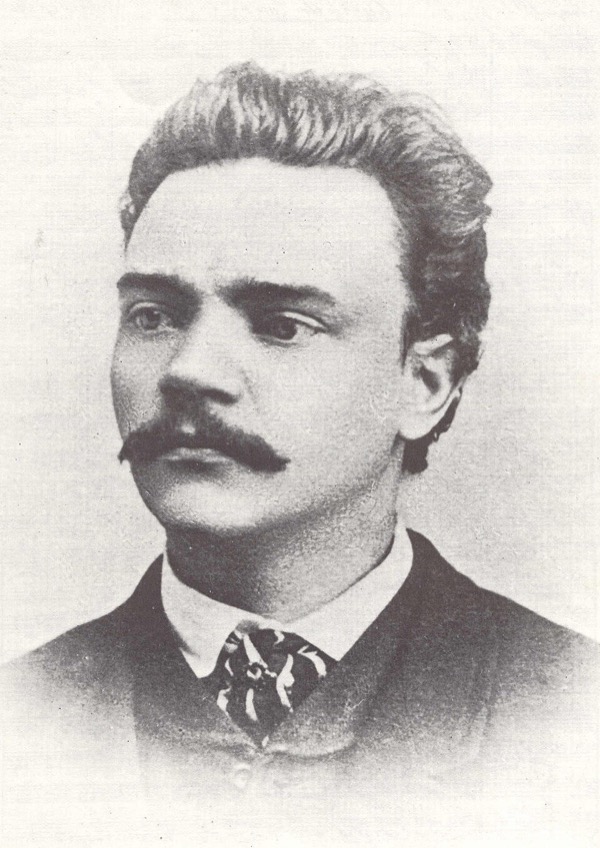
Antonín Dvořák
Antonín Dvořák’s String Quartet No. 9 was composed in 1877, and it is a deeply expressive work that showcases his early mastery of chamber music. Written during a period of personal grief, it carries an emotional weight but remains accessible with its lyrical melodies and Bohemian spirit.
Dedicated to Johannes Brahms, it blends heartfelt intensity with moments of lightness, making it a compelling listen. For my list of the 15 best Dvořák string quartet movements, I have selected the “Alla Polacca,” a spirited and bouncy Bohemian dance.
The light-hearted melody feels like a village celebration, while the middle section shifts to a broader and more lyrical contrast. The polka returns with a wink, and it is full of toe-tapping and rustic charm.
Antonín Dvořák: String Quartet No. 8 in E Major, Op. 80 II. Andante con moto
String Quartet No. 8
From the early stages of his career comes Dvořák’s String Quartet No. 8. Originally written in E minor but revised to E Major, it is a vibrant and heartfelt work that reflects a youthful energy blended with Bohemian folk influences.
Its light and accessible style shines through in its catchy melodies and lively rhythms, making it a delightful listen. And my favourite is the “Andante con moto,” a warm and soulful movement that feels like a fireside song.
It is a lyrical gem, with a tender and singing melody introduced by the first violin over a softly pulsing accompaniment. The middle section shifts to a slightly more dramatic tone, adding emotional depth, before the main theme returns with richer harmonies and delicate string textures.
Antonín Dvořák: Cypresses, No. 2 “Death reigns in many a human breast”
Cypresses
In 1887, Antonín Dvořák wrote to his publishers, “These little compositions were originally 18 songs, four of which were published as Op. 2. I wrote them in 1865 and now, after 22 years, I have arranged them for string quartet under the title The Echo of Songs.”
Originally, these songs were published under the title Cypresses, and I have included two of these arrangements for my 15 best string quartet movements. “Death reigns in many a human breast” is hauntingly beautiful, with a fragile and lyrical melody that feels entirely engaging and intimate.
Also included is the No. 9, “Thou Only, Dear One,” a beautiful lyrical gem. This movement, with a tender melody, captures Dvořák’s gift for expressive simplicity. The heartfelt melody and delicate interplay among the strings are deeply moving and worthy to be on this list.
Antonín Dvořák’s string quartets are a treasure trove of Bohemian spirit and universal emotion, with these 15 movements showcasing his genius for crafting melodies that linger long after the music stops. So, grab a seat, let these soulful and spirited gems wash over you, and celebrate the timeless brilliance of Dvořák’s chamber music.
For more of the best in classical music, sign up for our E-Newsletter