Frédéric Chopin is one of the most beloved composers in classical music, and for good reason.
But he wasn’t just a great composer: he was also a lively and witty letter-writer.
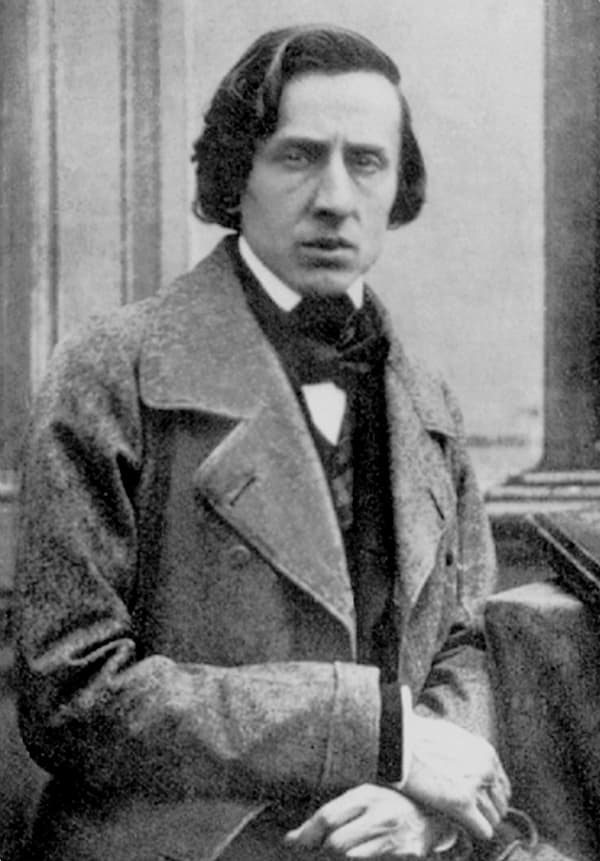
Frédéric Chopin
Today, we’re looking at ten fun facts about Chopin the person, as found in his correspondence.
Throughout his adult life, Chopin exhibited many of the symptoms that nowadays would likely be diagnosed as depression.
In April 1830, Chopin wrote to his dear friend Tytus Woyciechowski:
I wish I could throw off the thoughts that poison my happiness, and yet I love to indulge in them; don’t know myself what is wrong with me…
How often I take night for day, and day for night; how often I live in my dreams, and sleep in the daytime; – worse than sleep, because I feel just the same; and instead of recuperating during that state of numbness, as one does in sleep, I get weaker and more tired than ever…
This is a veritable checklist of what modern doctors might diagnose as depression and anxiety: racing thoughts, restlessness, insomnia, numbness, and exhaustion.
So if you ever feel those symptoms, know that Chopin did, too!
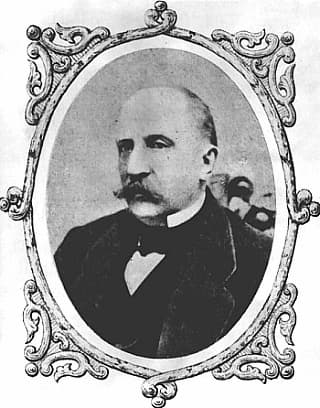
Tytus Woyciechowski
Chopin’s focus when he was working was extraordinary, and the intensity of it made him feel crazy.
In September 1830, Chopin wrote to Woyciechowski:
When I begin to consider my own case, I am sorry for myself, that I am often quite absent-minded.
If I have something before my eyes that interests me, horses could trample over me and I shouldn’t see them; the day before yesterday, that nearly happened to me in the street…
I’m such a crazy person sometimes that it’s dreadful.
We have a colorful description from Chopin about what his life in Paris was like in September 1831:
That month, he wrote to his friend K. Kumelski:
There is the utmost luxury, the utmost swinishness, the utmost virtue, the utmost ostentation; at every step advertisements of ven … disease [venereal disease]; shouting, racket, bustle, and more mud than it is possible to imagine: one can perish in this paradise, and it is convenient from this point of view, that nobody asks how anybody lives.
You can walk in the streets in winter, dressed in rags, and frequent tip-top society; one day you can eat the most hearty dinner for 32 sous in a restaurant with mirrors, gilding and gas lighting, and the next you can lunch where they will give you enough for a dicky-bird to eat, and charge 3 times as much: that happened to me before I had paid the necessary tax on ignorance.
Chopin was quite familiar with the racy chapbooks that were for sale in Paris in the nineteenth century.
Take from that what you will!
He wrote to Tytus Woyciechowski on Christmas Day 1831:
This is a queer people; as soon as evening comes, you hear nothing but voices calling out the titles of new chapbooks; sometimes you can buy 3, 4 sheets of rubbish for a sou.
It is: -“L’art de faire les amants, et de les conserver ensuite” [“The art of having lovers and keeping them”], “Les amours des prêtres” [“The love affairs of priests”], “L’ar- chévêque de Paris avec Mme la Duchesse du Barry,” [“The archbishop of Paris with the Duchess du Barry”] and a thousand other such indecencies, sometimes very wittily written…
Once Liszt played Chopin’s Etudes for him while he was letter-writing and distracted him.
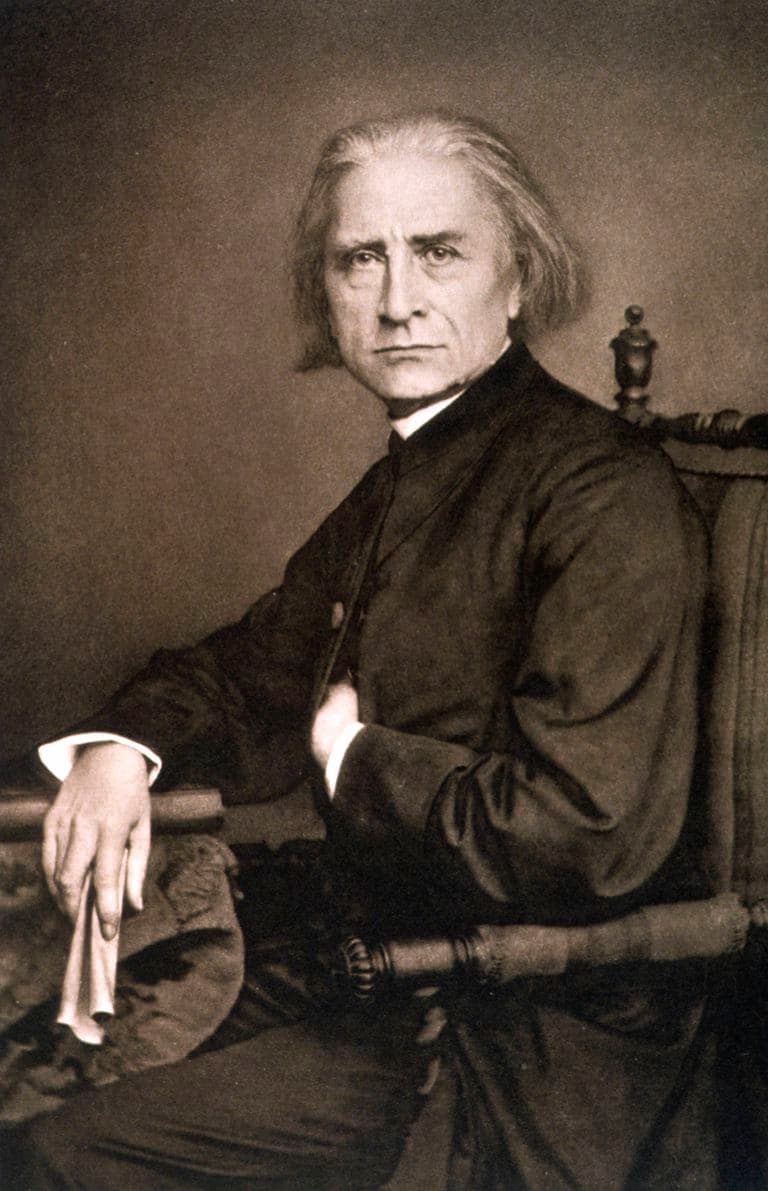
Franz Liszt in 1870
Liszt and Chopin became good friends when they were both in their twenties and living in Paris in the 1830s.
In 1833, Chopin wrote to composer and conductor Ferdinand Hiller:
I write to you without knowing what my pen is scribbling, because at this moment Liszt is playing my études, and transporting me outside of my respectable thoughts.
I should like to steal from him the way to play my own études…
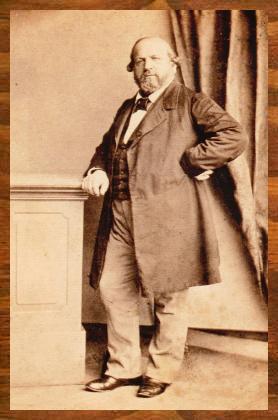
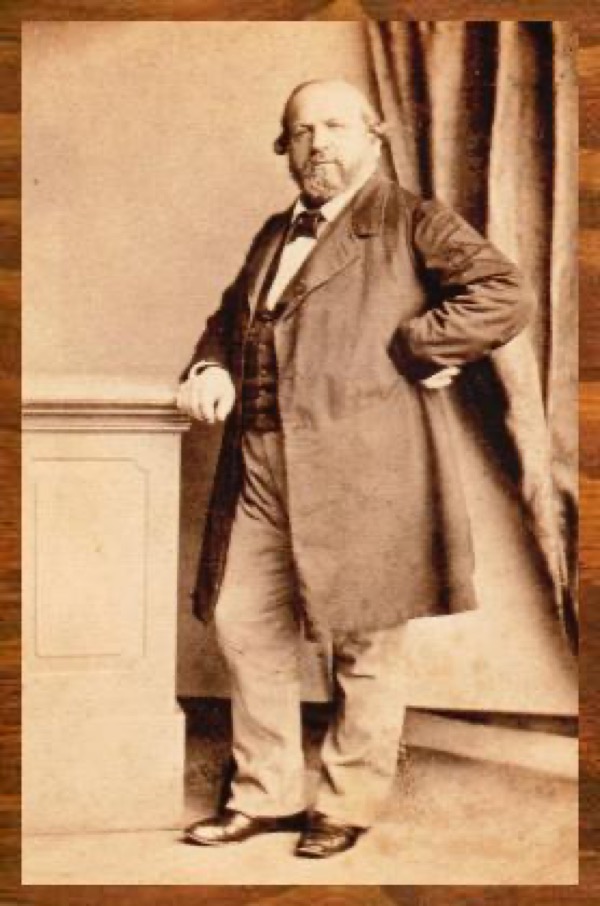
Ferdinand Hiller
Lang Lang plays Chopin Etude Op.10 No.3 in E Major at The Berlin Philharmonic.
Chopin’s famous trip to the island of Majorca, where he wrote many of his preludes, went downhill quickly.
On 19 November 1838, Chopin wrote to pianist, composer, lawyer, executor, and roommate Julian Fontana:
You will soon receive some Preludes.
I shall probably lodge in a wonderful monastery, the most beautiful situation in the world; sea, mountains, palms, a cemetery, a crusaders’ church, ruined mosques, aged trees, thousand-year-old olives.
Ah, my dear, I am coming alive a little – I am near to what is most beautiful. I am better –
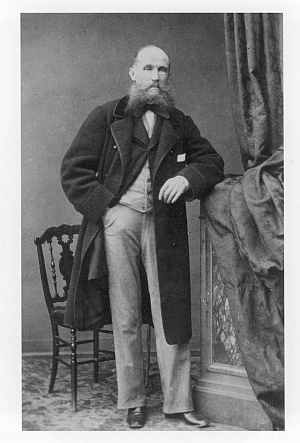
Julian Fontana (c. 1860)
Daniil Trifonov: Chopin – Prelude Op.28 No.15 in D Flat Major, “Raindrop”
Unfortunately, he wasn’t better. His health deteriorated, and just two weeks later, on 3 December, Chopin wrote a description of his interactions with doctors that has been widely quoted in the generations since:
I have been as sick as a dog these last two weeks; I caught cold in spite of 18 degrees of heat, roses, oranges, palms, figs and three most famous doctors of the island.
One sniffed at what I spat up, the second tapped where I spat it from, the third poked about and listened how I spat it. One said I had died, the second that I am dying, the 3rd that I shall die.
In 1839, in the early days of his relationship with George Sand, he was very proud and supportive of her work, even calling her “my lady” and “my angel.”
He wrote to his friend Wojciech Grzymala on 27 March 1839:
My lady has just finished a magnificent article on Goethe, Byron and Mickiewicz. One must read it; it gladdens the heart. I can see you, how pleased you will be. And all so true, so large in perception, on so huge a scale, of necessity, without manipulation or panegyrics.
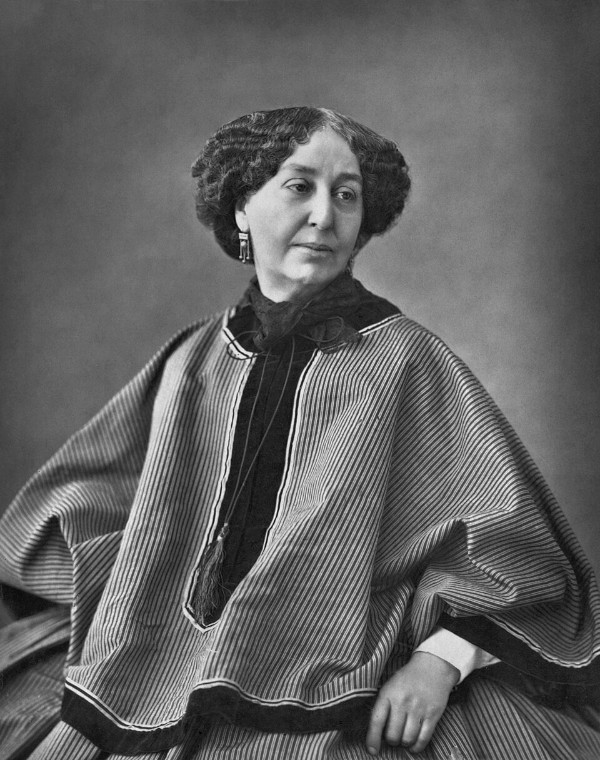
George Sand – Portrait by Nadar (1864)
On 12 April 1839, he wrote:
My Angel is finishing a new novel: Gabriel. Today she is writing in bed all day. You know, you would love her even more if you knew her as I know her today.
Their deep love for one another would not last, but early in their relationship, they clearly adored each other and were in awe of each other’s talent.
We know the colour scheme that Chopin preferred!
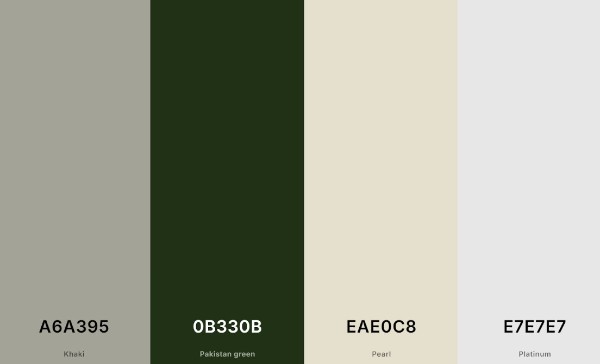
In September 1839, after having spent the summer at George Sand’s country estate, Chopin enlisted the help of Julian Fontana to set up an apartment for him in Paris, so he would have a home to travel back to.
Chopin entrusted Fontana with very specific aesthetic details when it came to choosing wallpaper:
Choose a paper like my old tourterelle [turtledove] one, for both rooms; but varnished and shiny, with a narrow dark green stripe for a border.
For the vestibule, something different, but good. If, however, there are any prettier and more fashionable papers, which you like and know that I shall also like, take them.
I prefer them smooth, very plain and clean looking, rather than the common épicier type. That is why I like pearl colour; it is neither glaring nor common-looking.
“Turtledove” is a kind of sophisticated grey colour. If you need a colour palette for your music room, you could do much worse than this Chopin-inspired one!
Chopin hated nicknames being given to his pieces.
Christian Rudolf Wessel was the head of the Wessel & Co. publishing company. His firm had the exclusive rights to publish Chopin’s music in Britain.
Unfortunately, Wessel made the mistake of naming Chopin’s pieces to try to make them more appealing for customers…and Chopin was infuriated.
He wrote to Fontana in October 1841:
Now, about Wessel; he’s a windbag and a cheat.
Write him what you like; but say that I have no intention of giving up my rights over the Tarantella.
Daniil Trifonov – Tarantella in A flat major, Op. 43 (third stage, 2010)
As he did not return it in time – and if he has lost on my compositions, it is doubtless because of the silly titles which he has given them without my consent and in spite of the strong objection several times expressed by Mr. Stapleton [sic]; and if I were to listen to my feelings, I would never send him anything more after those titles.
Speak as strongly as you can.
Maybe we’d better stop referring to his Raindrop Prelude and Minute Waltz by their nicknames!
Chopin was fascinated by new technology.
In July 1845, Chopin wrote to his family:
Tell Barteczek that the electro-magnetic telegraph between Baltimore and Washington gives remarkable results.
Often orders given from Baltimore at 1 in the afternoon are carried out, and the goods and parcels ready to leave Washington by 3; and small parcels, asked for at half past 4, arrive by the 5 o’clock convoy, reaching Baltimore at half past 7, from Washington, 75 English or 25 French miles; I think that’s quick!!
Sounds like Chopin would have loved Internet shopping!
That fall, he reported another technological advance to his family:
M. Brunei, the engineer (French by birth) who built the tunnel under the Thames in London, has now invented, among other works, a new locomotive, by means of which it will be possible to go 50 English miles an hour. The machine will run on eight wheels.
With that observation, Chopin joined the long list of composers fascinated by trains.
For more of the best in classical music, sign up for our E-Newsletter