
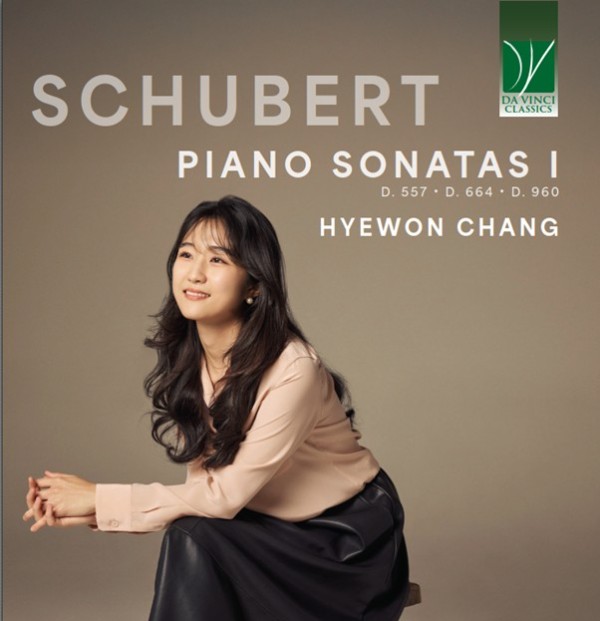
As the first issue of a 5-year contract with Da Vinci Classics, pianist Hyewon Chang appears on Schubert Piano Sonata, Vol. 1, where she plays Piano Sonatas dating from 1817, 1819, and 1828. By choosing these three sonatas, Chang has
Schubert
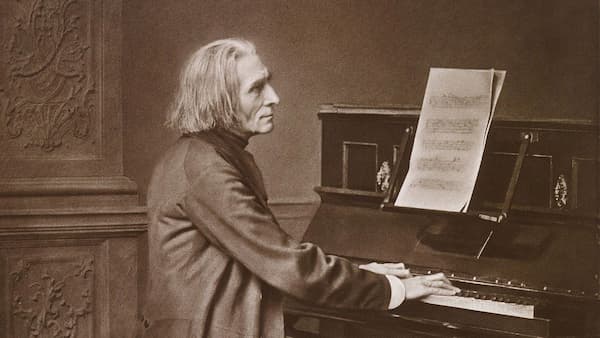
Franz Liszt spent several years creating piano versions of Franz Schubert’s songs. Crafted between 1833 and 1846, he made around fifty-six transcriptions that carefully kept many details of the original music. By removing the words, these pieces become purely instrumental.
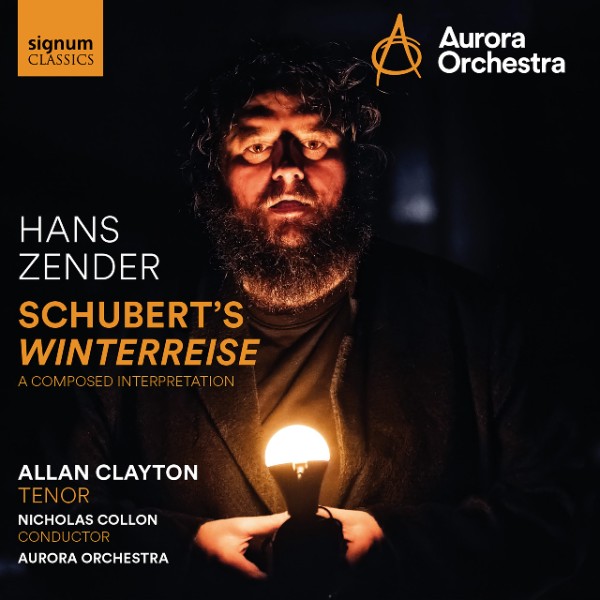
Schubert’s Winterreise, published in 1828, the year of the composer’s death at the age of 31, is often described as the greatest song-cycle ever written. Its central themes and preoccupations – love and loss, life and death – resonate through
The impulse to complete an unfinished work by a composer such as Schubert arises from a blend of artistic curiosity, historical empathy and creative challenge. For many musicians and scholars, an incomplete score feels like a fragment of a larger,
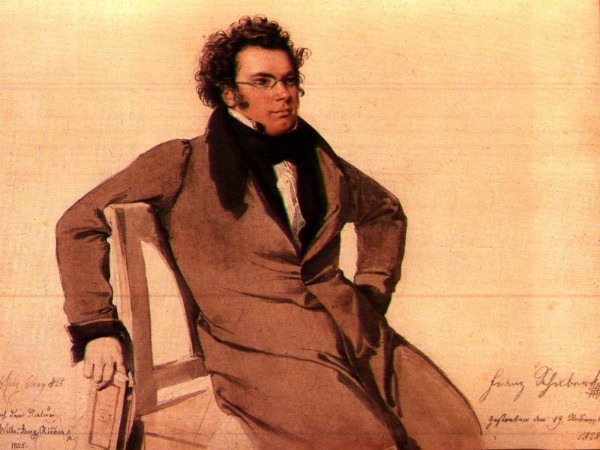
Today, Franz Schubert is one of the most beloved composers of all time, famous for works like Ave Maria, the Trout Quintet, and his “Unfinished Symphony.” But when Schubert died in 1828 at the age of 31, much of his
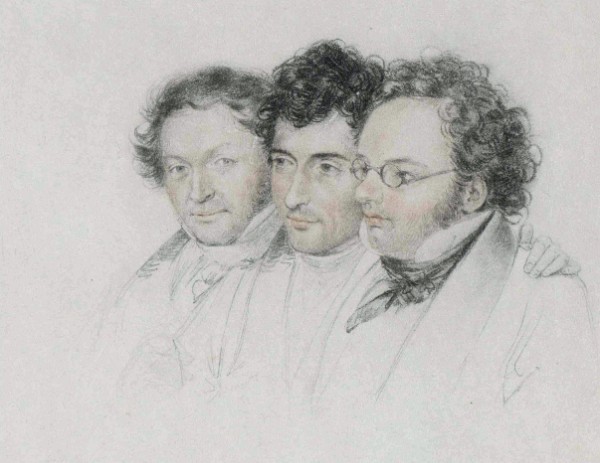
Franz Schubert (1797-1828) lived the quintessential life of an urban bachelor. He rejected the restraints and dependence of family life and found sustenance and camaraderie in a close, but ever-changing circle of friends. Perpetually short of money, he lived with
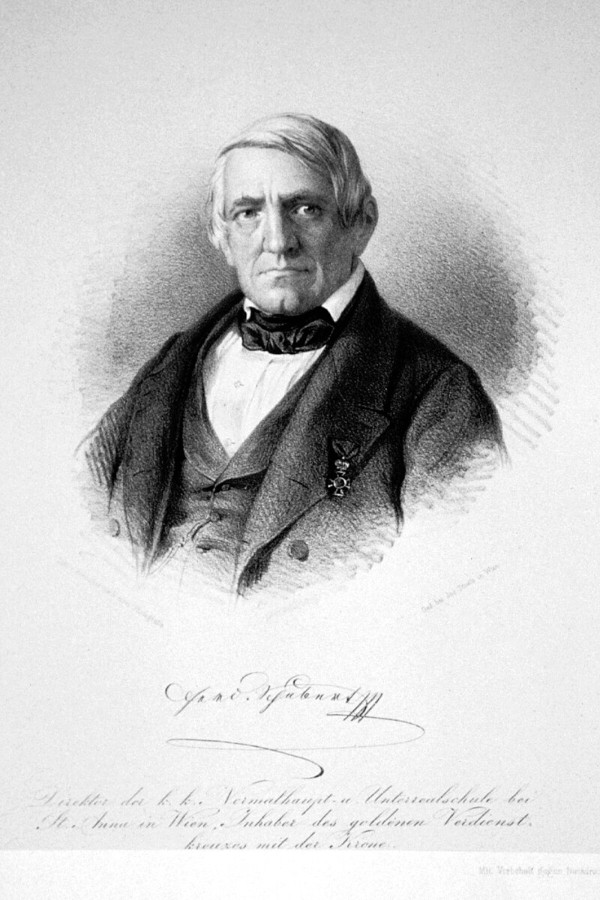
If you’re a classical music lover and you hear the name Schubert, you probably think of Franz: composer of the Trout Quintet, a number of famous symphonies, and, of course, Ave Maria. But did you know he had an older
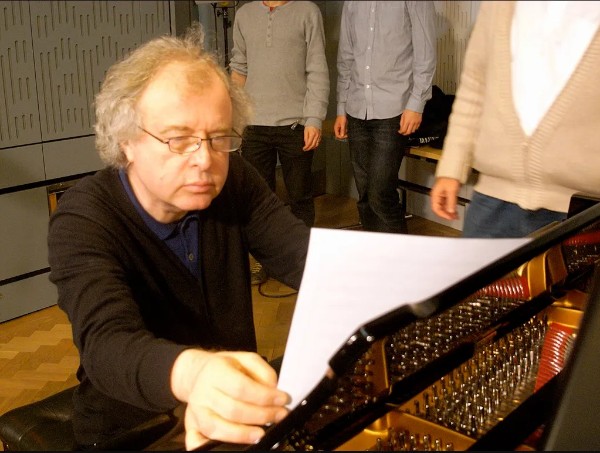
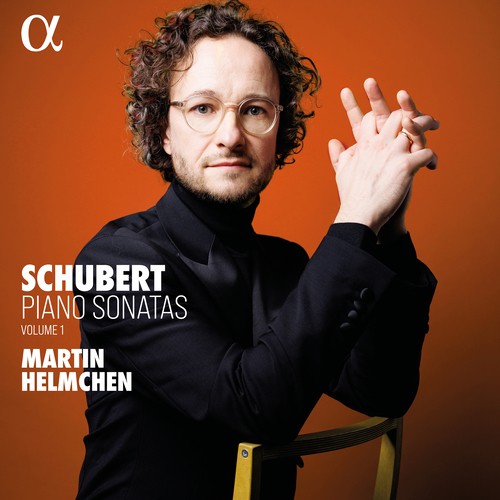
Franz Schubert is renowned for his melodic genius, emotional depth, and his ability to capture the human experience in music. His works, ranging from intimate lieder to expansive symphonies, have left an enduring mark on classical music. For those drawn