
Empress Maria Theresa of Austria founded the “Burgtheater” in Vienna in 1741. In time, it became one of the most important German language theatres in the world, and it saw the premiere of three Mozart operas! On 1 May 1786,
Mozart
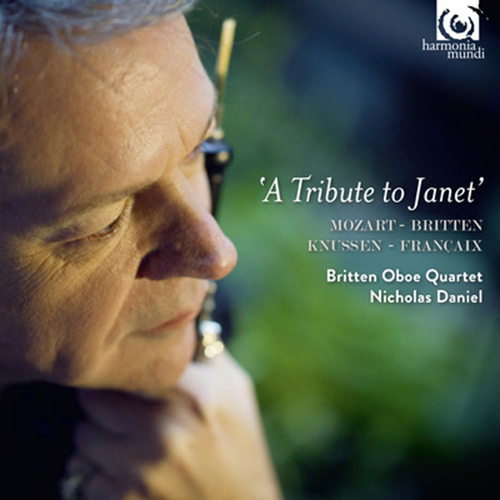
Françaix: Quartet for English horn, violin, viola and cello II Andante Tranquillo From Mozart: A Tribute to Janet (2017) Released by Harmonia Mundi Françaix: Quartet for English horn, violin, viola and cello – II Andante TranquilloA Tribute to Janet. The
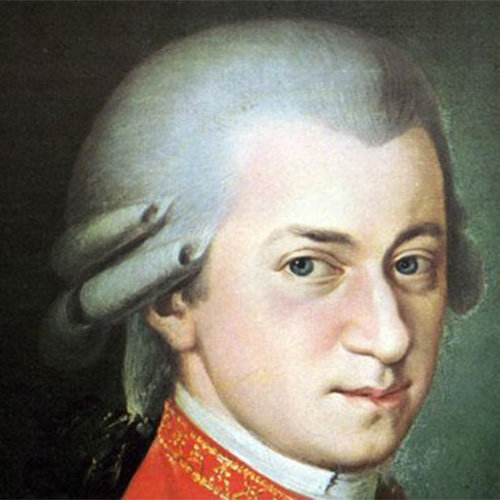
The name “Mozart” is almost universally associated with the musical genius of Wolfgang Amadeus. However, Wolfie was not the only Mozart with significant musical talent, just take a quick look at his father. Johann Georg Leopold Mozart (1719-1787) was a
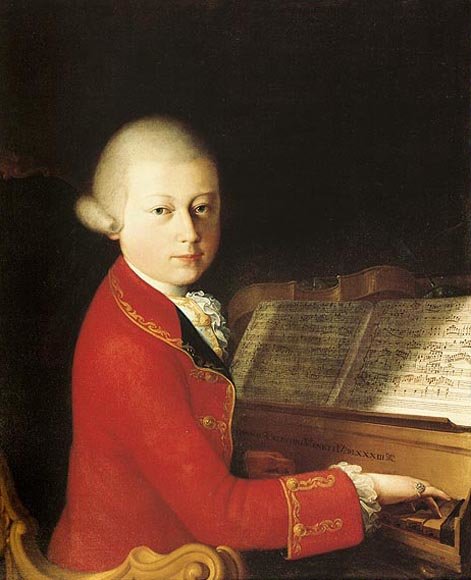
When Frédéric Chopin graduated from High School his final report stated, “Chopin F., third year student, exceptional talent, musical genius.” His hometown of Warsaw, however, had long known about this gifted musical prodigy, who was dubbed “a second Wolfgang Amadeus
Albert Einstein once famously remarked “Mozart’s music is so pure that it seemed to have been ever-present in the universe, waiting to be discovered by the master.” In the end, both Einstein and Mozart were successful in untangling the complexities
On 27 May 1784, Wolfgang Amadeus Mozart bought a pet starling bird at a Viennese pet shop. Normally historians and musicologists don’t pay much attention to composers’ pets, but this starling wasn’t your average pet. Because when Mozart recorded the
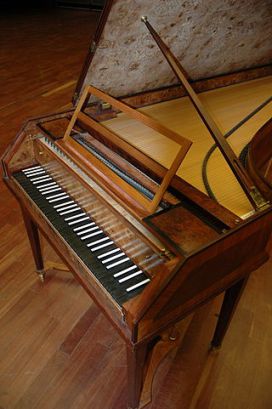
Today I accidentally stumbled over another rarity from the vault of unusual and singular instruments! The instrument in question—variously called “Tangent piano” in English, “Tangentenflügel” in German, “cembalo angelico” in Italian, and “clavecin harmonieux et celeste” in French—sounds like a
It was advertised as the musical discovery of the century! In 1933, the Hungarian violinist Jelly d’Aranyi stepped onto the London stage and performed a preciously unknown violin concerto by Wolfgang Amadeus Mozart. That concerto had been published in 1933