
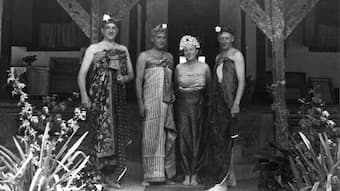
Benjamin Britten was working on the full-length ballet The Prince of the Pagodas when he wrote to Edith Sitwell that he was “on the threshold of a new musical world.” This project, slated for Covent Garden, was set aside for
Britten
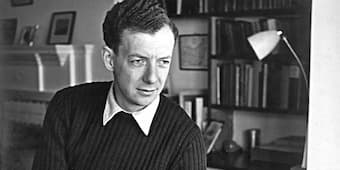
Britten’s Spring Symphony, completed in 1949, is a unique song-symphony. Not with just one movement set to words, as in Beethoven’s Ninth, but with English texts throughout. Most of the sources are from the 16th and 17th century, but a
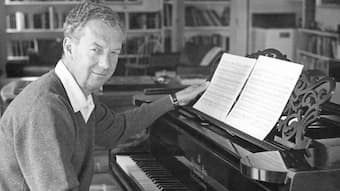
This atmospheric miniature was composed in 1963 as a test piece for the inaugural Leeds Piano Competition (which was won by Michael Roll, the seventeen-year-old pupil of Dame Fanny Waterman, the competition’s founder). The competition committee regarded it as a
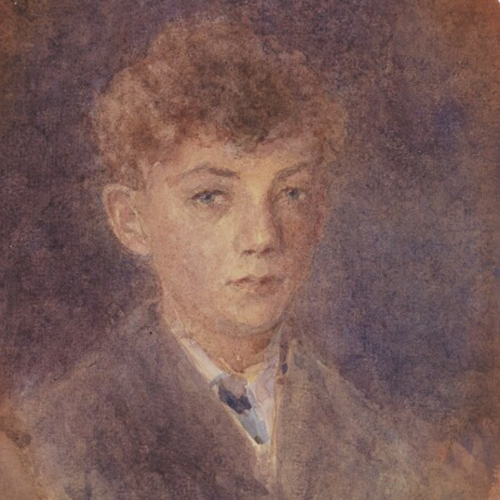
As a composer, Benjamin Britten (1913-1976) showed his skills early, composing his first works at age 5. He started piano lessons 2 years later and the viola when he was 10. In his prep school, South Lodge, Lowestoft, he wrote
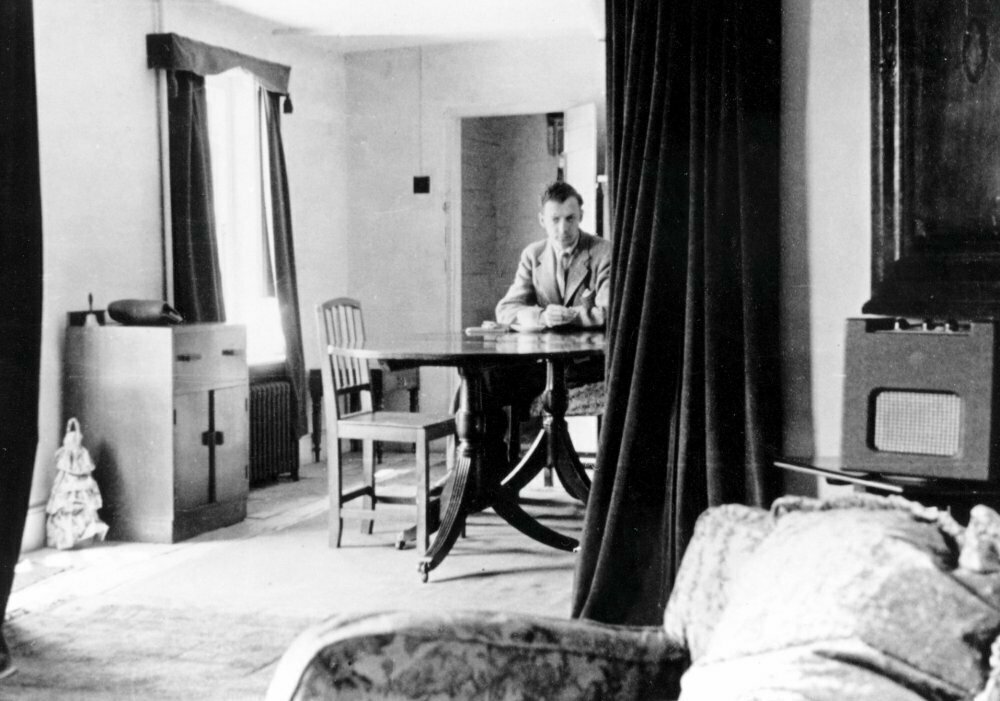
Benjamin Britten once described the process of putting music on paper in the following way, “Composing is like driving down a foggy road toward a house. Slowly you see more details of the house—the colours of the slates and bricks,
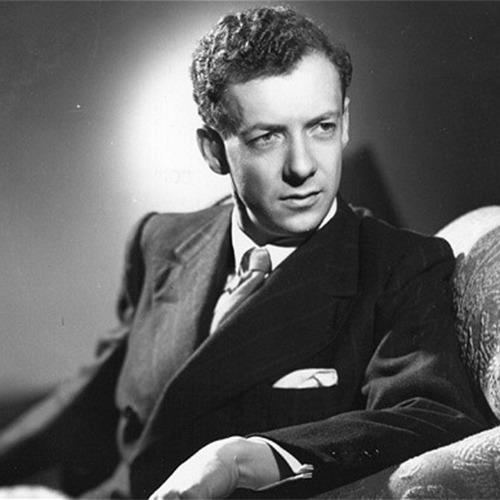
In August 1959, Jubilee Hall in Aldeburgh was undergoing a complete refurbishment, and to celebrate the reopening a year later, a new opera was definitely required. Since Benjamin Britten already was the artistic director of the Aldeburgh Festival at that
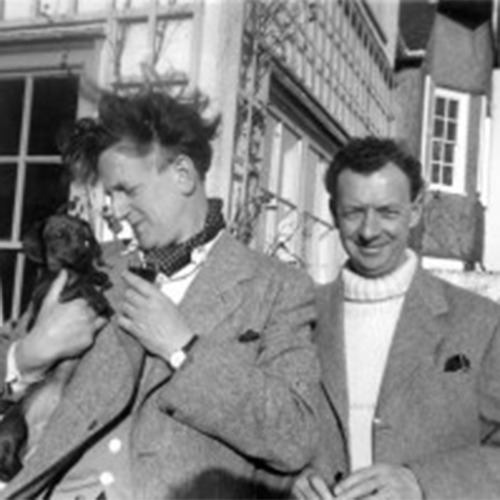
In August 1959, Jubilee Hall in Aldeburgh was undergoing a complete refurbishment, and to celebrate its reopening a year later, a new opera was definitely required. Since Benjamin Britten already was the artistic director of the Festival at that time,
1957 was a momentous year for the Federation of Malaya. After nearly two centuries of British rule it was to become fully independent on 31 August 1957. The constitution was written, all civic and federal laws were in place, and