Bryn Terfel, the Welsh bass-baritone opera superstar, has a career packed with dramatic highs, cultural impact, and charismatic flair. From conquering Wagnerian epics to belting out Elvis covers, his story blends raw talent, Welsh pride, and unexpected twists.
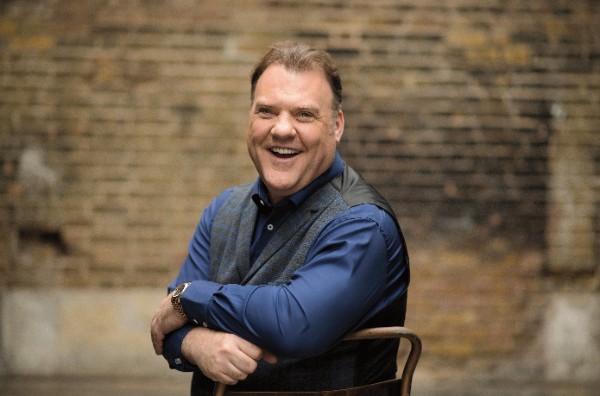
Sir Bryn Terfel © Mitch Jenkins
In the grand opera of life, few performers embody the drama, passion, and unyielding fortitude quite like Sir Bryn Terfel, whose voice thunders across the world’s stages. Yet, beyond the bright lights of Salzburg, the Metropolitan Opera, and Covent Garden, Terfel’s off-stage existence unfolds as a compelling libretto of its own.
As we celebrate his birthday on 9 November, let’s discover how Bryn Terfel navigates the human condition with the same charismatic intensity he brings to roles like Wotan or Falstaff.
Bryn Terfel Sings Wagner: “Wotan’s Farewell”
Roots in Rugby and Rhythm
Born Bryn Terfel Jones on 9 November 1965, in the rural hamlet of Pant Glas amid Snowdonia’s rugged embrace, the raw physicality of rugby is more than a sport. It is the thunderous heartbeat of Welsh identity.
For Terfel, it is a communal ritual that mirrors the explosive climaxes of a Verdi aria. Growing up as the son of a farmer in Caernarfonshire, young Bryn was immersed in chapel hymns and eisteddfod recitals that would shape his vocal destiny.
However, the muddy field of school rugby introduced him to a different kind of chorus.
He recalls coming to the game “rather late” in school, initially drawn to football and basketball, but once hooked, he played as the No. 8, a position that demanded strategy over spotlight.
Bryn Terfel/Shirley Bassey: “World in Union”
World in Union
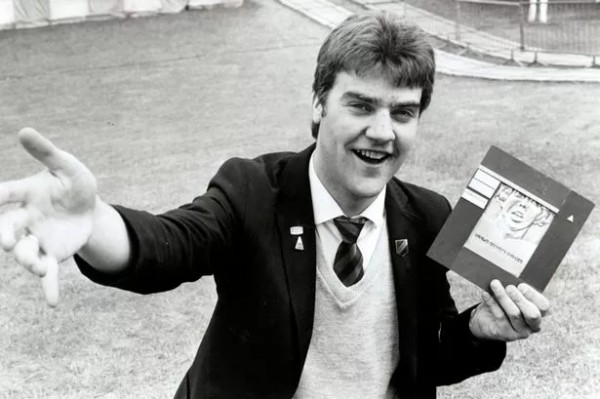
The young Bryn Terfel
This affinity for the sport’s unyielding physicality even left its mark on his features. His nose was “hit multiple times on the rugby field,” compounded by a childhood dog bite that scarred his forehead.
He has confessed to scheduling tours around matches, such as aligning his “Bad Boys” concert in Cardiff with Wales versus New Zealand, ensuring he could be part of the game atmosphere. He also performed the Rugby World Cup anthem “World in Union” alongside Dame Shirley Bassey at Cardiff’s Millennium Stadium.
One anecdote relates a chance post-match encounter with a star player. Apparently, Bryn collided with Gareth Thomas, the legendary Welsh captain, by chance. They ended up singing anthems together in shared reverence for “Hen Wlad fy Nhadau” (Land of My Fathers).
Bryn Terfel: “Bad Boys” (Trailer)
Pastoral Idyll and Tabloid Tempest
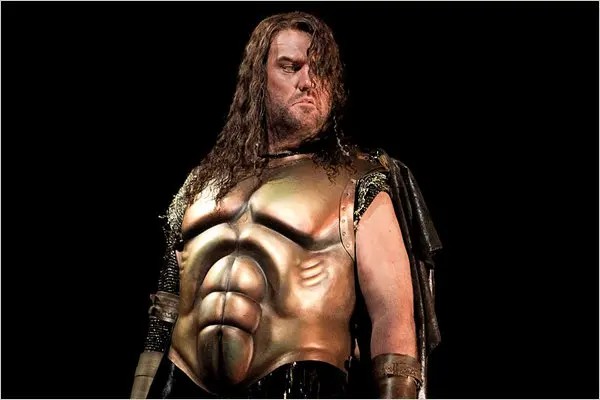
Sir Bryn Terfel
In a nation where rugby is a religion, Terfel is the high priest, his bass notes echoing the haka’s primal call, grounding his global stardom in the soil of his home. Yet, amid these triumphs of turf and timbre, romance has scripted some of Terfel’s most poignant arias.
His first marriage to his childhood sweetheart, Lesley Jones, began in 1987 and was a pastoral idyll, yielding three sons who grew up in the family’s farmhouse near Snowdonia. They shared nearly three decades raising their boys amidst the rhythms of farm life and festival planning.
But as his career peaked, the marriage dissolved in 2013, a quiet coda to a shared youth.
Enter Hannah Stone, the ethereal harpist he met on a Christmas show. A duet destined for harmony, but the path was laced with tabloid drama.
Bryn Terfel/Hannah Stone: “My Little Welsh Home”
Achieve More With Less
Stone, married since 2012 to fellow baritone Gary Griffiths, who was once dubbed “the next Bryn Terfel,” separated amid whispers of a whirlwind affair. Paparazzi hounded them, and headlines of a “love triangle” scandalised classical circles.
In Stone, Terfel found not just a muse, but a co-navigator through fame’s tempests, their union a resilient refrain of second chances. Resilience, however, is the bass line underscoring it all.
It is the unshakeable foundation that allows Terfel to “achieve more with less.” This motto, articulated in a 2015 interview, encapsulates his approach to lieder and life. It means distilling vast emotion into sparse and potent notes, much like Schubert’s Winterreise, which he first embraced at age 50.
For more of the best in classical music, sign up for our E-Newsletter