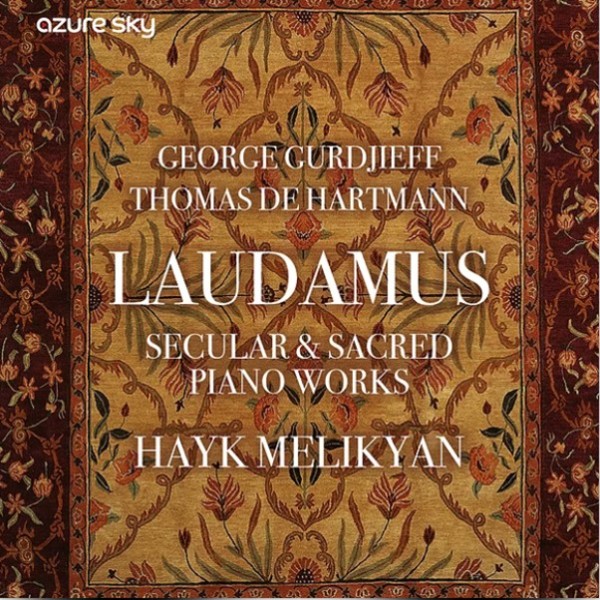
The life of Bach’s music through the ages always comes back to the master. In this new recording by Armenian pianist Hayk Melikyan, he takes the Bach we know and uses transcriptions by Wilhelm Kempff, Alexander Siloti, Ferruccio Busoni, Johannes Brahms, and himself to give us Bach on piano, but within a context that makes us reexamine what we think we know and love about Bach’s music.

Hayk Melikyan
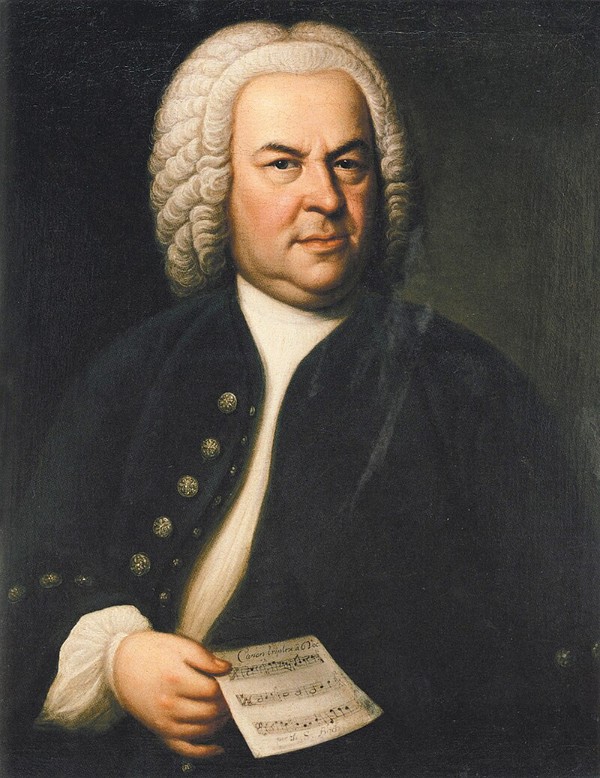
Elias Gottlob Haussmann: J.S. Bach, 1746 (Leipzig: Bach-Archiv)
He opens the recording with a set of 11 Choral Preludes selected from Bach’s Clavier-Übung III, published in 1739 as a work for the Organ. It takes the form of an idealised organ mass, and between its opening and closing movements are 21 chorale preludes, 6 catechism chorales and 4 duets. The chorale preludes cover the stylistic range of a work for a single organ keyboard to a six-part fugal work with two of the parts in the pedal.
Melikyan has selected 11 of the works, and they are all played on the piano. This version for piano was edited by Nikolay Kopchevsky and published in Moscow in 1962. For the editor, it was important to bring these pieces out, noting their importance in the history of music and the history of organ playing, challenging keyboard instruments in new ways. In this edition, the works that had pedal voices are not included, so they could be played on any keyboard instrument. The difference in sound between a piano performance and a harpsichord performance of these works lies in the abrupt sound of the harpsichord versus the ‘contemplative and peaceful’ quality that the piano can introduce in the same music.
Following the 11 Bach choral preludes are five transcriptions by composers from Brahms to Melikyan: Wilhelm Kempff (1895-1991), Alexander Siloti (1863-1945), Ferruccio Busoni (1866-1924), Johannes Brahms (1833-1897), and Melikyan himself (b. 1980).
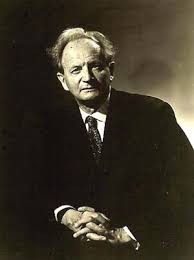
Wilhelm Kempff
The German composer and pianist Wilhelm Kempff takes the Siciliana movement from the Flute Sonata No. 2, BWV 1031, as his work. The siciliana is an Italian dance widely used in instrumental music from the 17th century onward. The key is separating the flute line from the accompaniment.
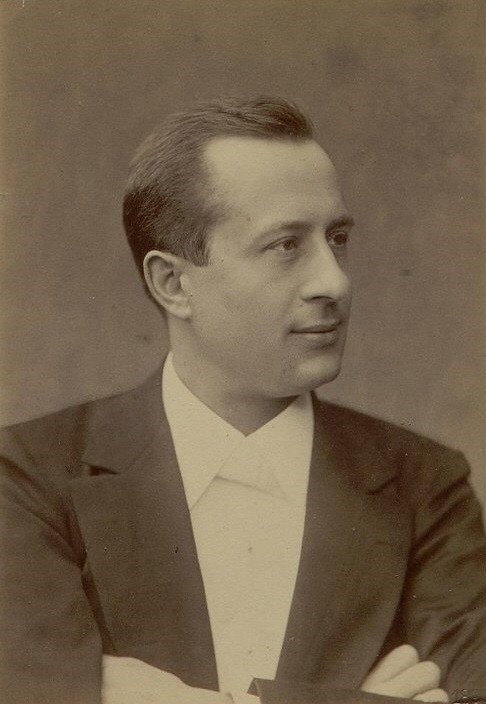
Alexander Siloti
The Russian pianist and conductor Alexander Siloti, a student of Franz Liszt, takes the Prelude in B minor, BWV 855a, and creates a work that clearly differentiates the harp-like bass line from the melody moved to the upper piano register.
J.S. Bach and Alexander Siloti: Prelude in B minor, BWV 855a
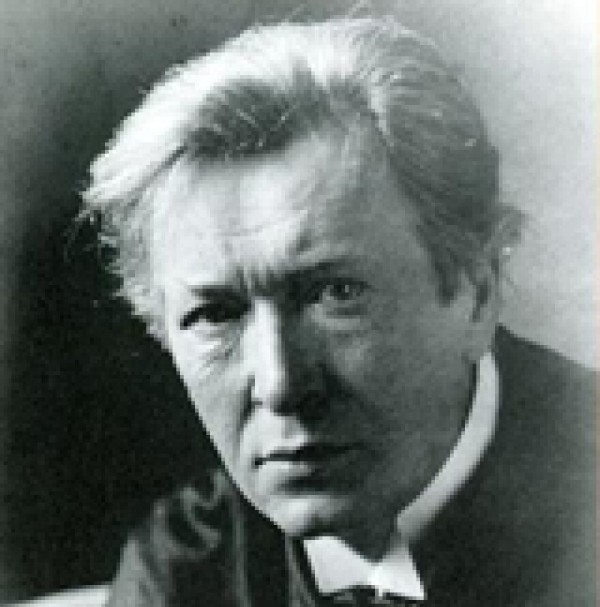
Ferruccio Busoni
Italian pianist, conductor, and teacher Ferruccio Busoni’s transcription of the chorale setting of Ich ruf zu dir, Herr Jesu Christ, from the Orgelbüchlein (Little Organ Book) that Bach wrote between 1707 and 1717 in Weimar, was published in 1898. Busoni was noted for his Bach transcriptions, published as the Bach-Busoni Editions, which continue to be used today.
Hayk Melikyan takes one of the most beloved pieces of Bach, The Air on the G String, BWV 1068, and transforms it into a work that slowly traverses the piano, achieving an effect not unlike that of the work being played on an organ. He follows the tradition of Siloti, who made the first piano transcription.
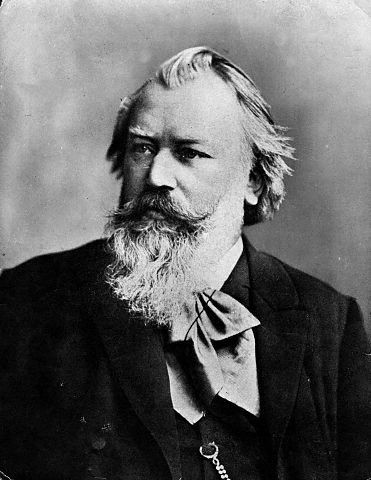
Johannes Brahms
The final work is a double tour de force. Johannes Brahms takes the Partita in D minor, BWV 1004, for solo violin from 1720, and transforms the final chaconne movement into not only a piano work but also a piano work for the left hand alone. In a letter to Clara Schumann, Brahms wrote: ‘On one stave, for a small instrument, the man [Bach] writes a whole world of the deepest thoughts and most powerful feelings. If I imagined that I could have created, even conceived the piece, I am quite certain that the excess of excitement and earth-shattering experience would have driven me out of my mind.’ In a quiet and thorough manner, Brahms explores just one movement of the whole partita. Melikyan, in his performance, adds elements of free improvisation, expressing in a unique way everything that Bach brought to music.
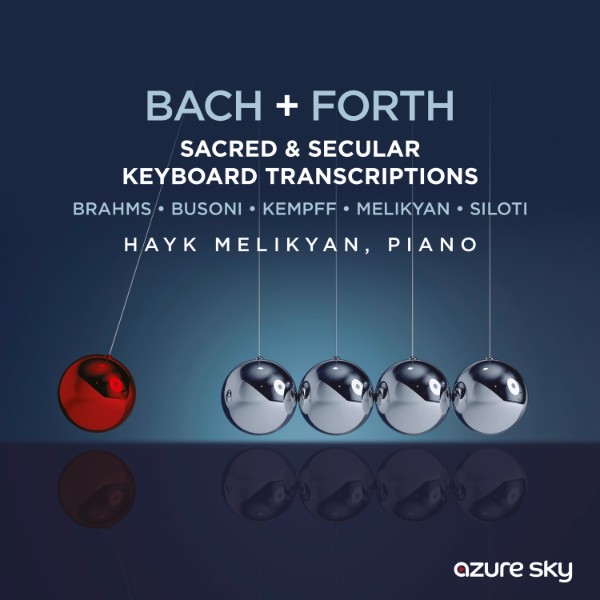
Bach + Forth: Sacred & Secular Keyboard Transcriptions by Brahms, Busoni, Kempff, Melikyan, Siloti
Hayk Melikyan, piano
Azure Sky Records AZ1005
Official Website
For more of the best in classical music, sign up for our E-Newsletter