© Sky News
Organ at Notre Dame de Paris
© STEPHANE DE SAKUTIN / AFP
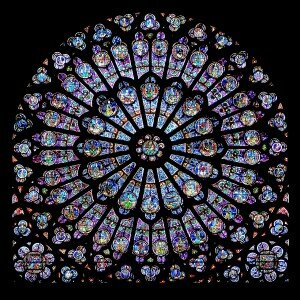
Rose Window of Notre Dame
Both were active at the Cathedral in the 12th century, and helped to define a musical style called “Organum.” This early form of polyphony takes a melody from Gregorian chant and enhances it by an additional voice singing in harmony.
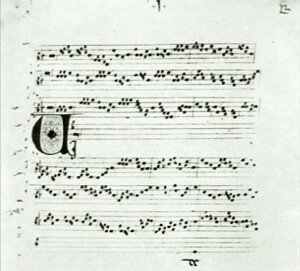 Originally the two voices moved in parallel motion, but eventually they became more independent and created true polyphony. Since it is rather difficult to coordinate the simultaneous singing of two or more independent voices, Léonin invented a system of notation and rhythmic organization that made it possible to write down the music. He basically introduced a system of rhythm into polyphonic music for the first time, with his method of musical notation expressive of this rhythm. A contemporary writer reports, “When you hear the soft harmonies of the various singers…you think yourself listening to a concert of sirens rather than men, music that the most tuneful of birds could not equal.” Although the music might sound somewhat archaic to our modern ears, it is the foundation that made possible the glorious musical expressions of subsequent centuries. The cultural and religious relevance of Notre Dame is increasingly at odds with the deconstructive millennial demands of the 21st century. In my humble opinion, however, it is more than a simplistic tourist attraction. Engulfed in flames, Notre Dame pays unapologetic homage to a system of human values, religious believes and the cultural heritage that decisively shaped our modern world.