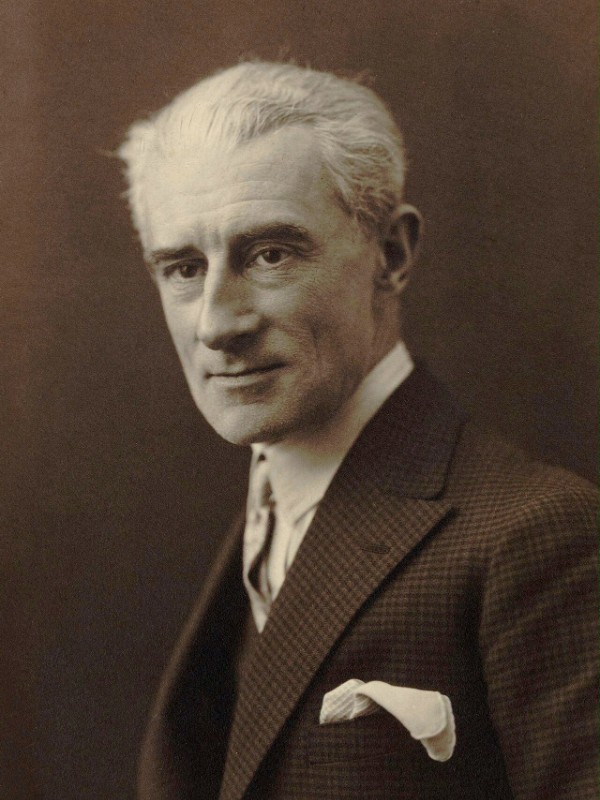
Leonard Bernstein, born on 25 August 1918, stands as one of the most multifaceted figures in 20th-century American music. He was a conductor, composer, educator, and cultural icon whose contributions bridged classical, jazz, and popular idioms. Among his compositional output, his three symphonies represent a profound engagement with symphonic form, Jewish identity, and existential questions of faith, doubt, and human struggle.
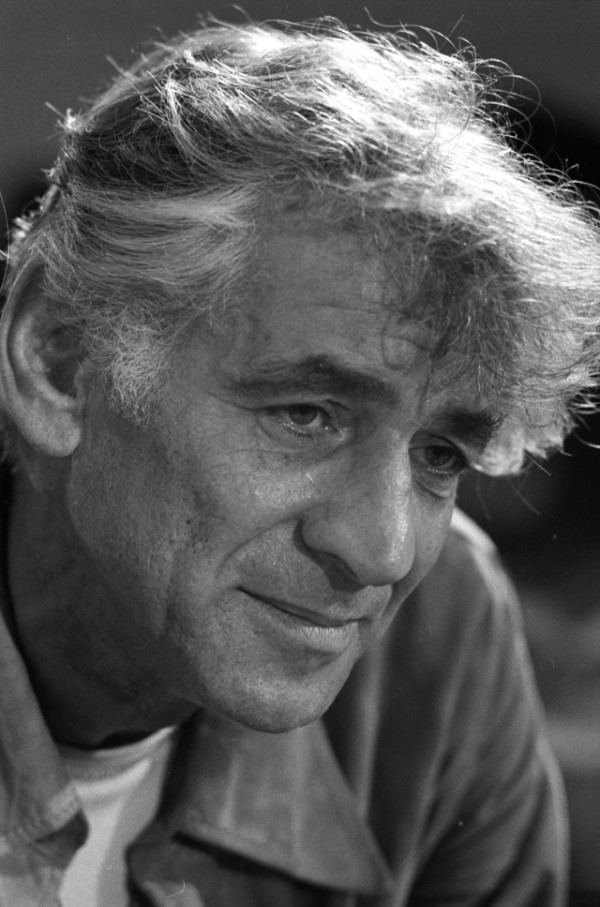
Leonard Bernstein, 1971
In his symphonies, Bernstein synthesises diverse influences into a distinctly American voice. Blending musical innovation, cultural commentary, and personal expression, he addresses Jewish themes, American idioms, and universal questions of faith and identity.
To celebrate his birthday on 25 August, let’s probe Bernstein’s engagement with symphonic form and address the question of how he transcended these traditional boundaries.
Leonard Bernstein: Symphony No. 1, “Jeremiah” – I. Prophecy (Baltimore Symphony Orchestra; Marin Alsop, cond.)
Tapestry of Faith and Crisis
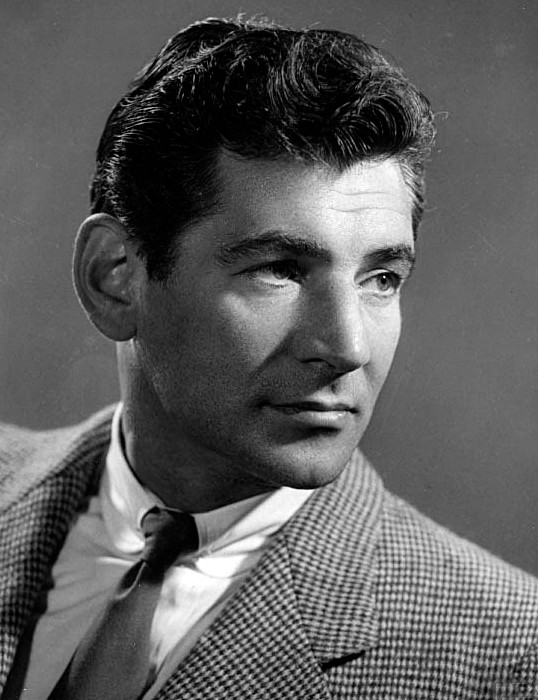
Leonard Bernstein, 1950s
Bernstein’s symphonies emerged during a period of global upheaval and personal evolution. Born to Jewish immigrant parents in Lawrence, Massachusetts, Bernstein’s identity as an American Jew profoundly shaped his compositional voice. His symphonies reflect both the optimism of mid-20th-century America and the anxieties of a world grappling with war, existential crises, and social change.
As Barry Seldes notes, “Bernstein’s music often served as a vehicle for social and philosophical commentary, blending personal introspection with universal themes.” The Jeremiah Symphony (1942), composed during World War II, responds to the horrors of the Holocaust and the persecution of Jews. Its premiere in 1944, conducted by Bernstein himself with the Pittsburgh Symphony Orchestra, coincided with heightened awareness of Nazi atrocities.
The Age of Anxiety (1949), inspired by W.H. Auden’s poem, reflects post-war disillusionment and the search for meaning in a fragmented world. Finally, Kaddish (1963), written during the Cold War and dedicated to John F. Kennedy after his assassination, grapples with faith and human suffering in the shadow of nuclear anxiety.
Leonard Bernstein: Symphony No. 1, “Jeremiah” – II. Profanation (Baltimore Symphony Orchestra; Marin Alsop, cond.)
Bridging Tradition
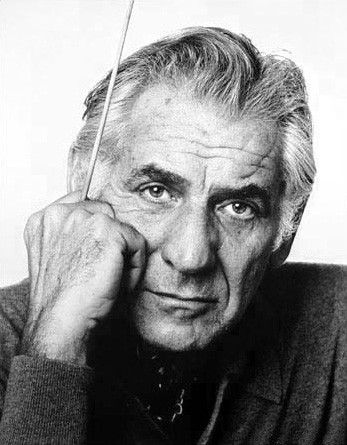
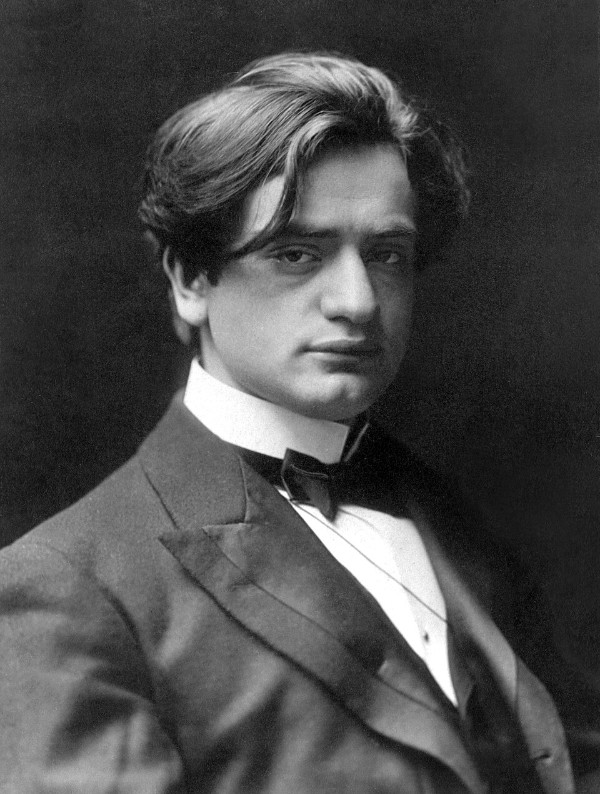
Leonard Bernstein
Each symphony, as Elizabeth Bergman argues, engages with the “American symphonic tradition” while addressing global concerns. Bernstein’s symphonies also reflect his role as a cultural mediator.
As a conductor of the New York Philharmonic (1958–1969) and a public figure through his televised Young People’s Concerts, Bernstein was uniquely positioned to bring classical music to diverse audiences.
His symphonies, though complex and intellectually demanding, incorporate accessible elements like jazz rhythms, Broadway lyricism, and Jewish liturgical motifs. As such, they are simultaneously scholarly and populist. This duality, as Humphrey Burton observes, “underscores Bernstein’s desire to communicate directly with listeners.”
Leonard Bernstein: Symphony No. 1, “Jeremiah” – III. Lamentation (Jennifer Johnson Cano, mezzo-soprano; Baltimore Symphony Orchestra; Marin Alsop, cond.)
Jeremiah
Bernstein’s first symphony premiered when he was just 25 years old, marking his emergence as a serious composer. The work is structured in three movements titled Prophecy, Profanation, and Lamentation, and draws on the biblical Book of Jeremiah, which recounts the prophet’s warnings of Jerusalem’s destruction. The symphony’s emotional core lies in its final movement, a mezzo-soprano setting of Jeremiah’s lamentations in Hebrew, evoking Jewish liturgical chant.
Musically, Jeremiah blends neoclassical clarity with romantic expressiveness. The first movement, “Prophecy,” employs angular melodies and dissonant harmonies to convey urgency and foreboding. The second, “Profanation,” introduces jazz-inflected rhythms and a frenetic energy, reflecting the chaos of a society ignoring divine warnings. The final “Lamentation” is a deeply personal statement, with the mezzo-soprano’s Hebrew text delivering a mournful yet resilient plea for hope.
A scholar noted that the use of “Hebrew text and cantorial melodies roots the symphony in Jewish tradition, while its orchestral language aligns with the American symphonic style of Aaron Copland, Bernstein’s mentor.” The Jeremiah Symphony won the New York Music Critics’ Circle Award in 1944, cementing Bernstein’s reputation.
However, its significance extends beyond accolades. As Meryle Secrest argues, “the symphony’s Jewish themes were a bold statement in an era when American composers often avoided explicit ethnic identities.” By integrating Jewish liturgical elements into a symphonic framework, Bernstein challenged the Eurocentric norms of the genre, contributing to a broader, more inclusive American musical identity.
Leonard Bernstein: Symphony No. 2, “The Age of Anxiety” (Jean Louis Steuerman, piano; Florida Philharmonic Orchestra; James Judd, cond.)
The Age of Anxiety
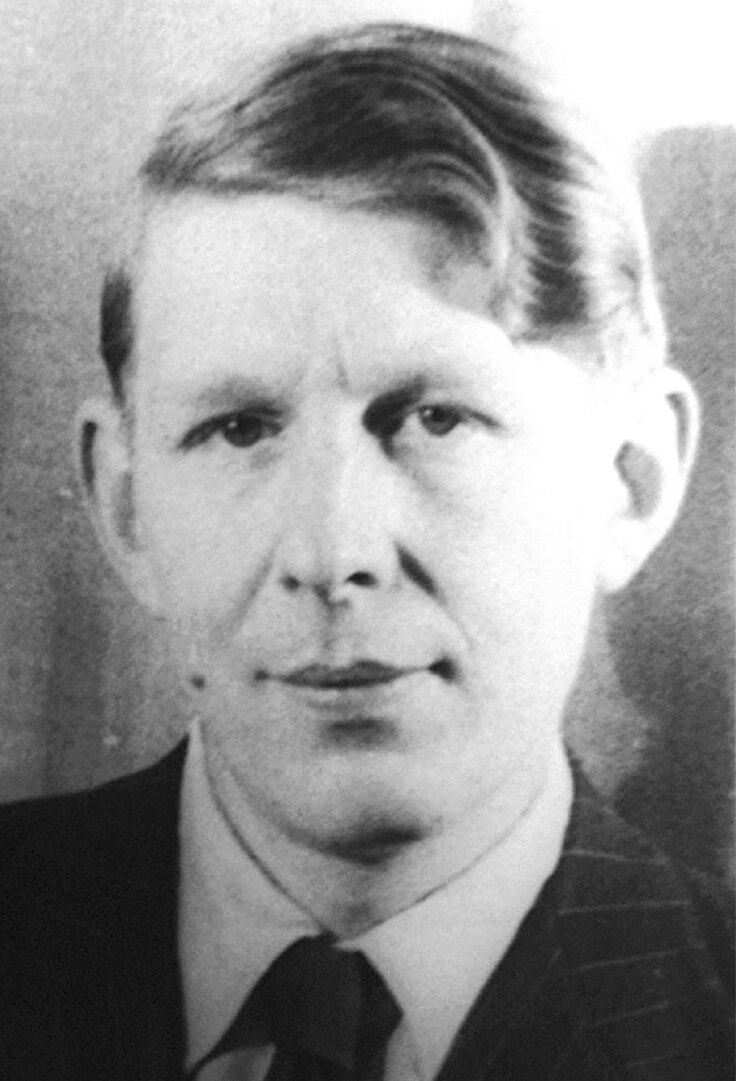
W.H. Auden in 1939
Inspired by W.H. Auden’s Pulitzer Prize-winning poem “The Age of Anxiety,” Bernstein’s Symphony No. 2 is a programmatic work that explores the existential despair of four characters searching for meaning in a post-war world. Composed for piano and orchestra, the symphony premiered in 1949 with Bernstein conducting and Lukas Foss at the piano.
Its structure mirrors Auden’s poem, and the music is divided into six sections. The symphony’s most striking feature is its integration of jazz and popular music. The Masque movement, for instance, features syncopated rhythms and a boogie-woogie piano style, evoking the frenetic energy of urban nightlife.
Leonard Bernstein: Symphony No. 2, “The Age of Anxiety” – Part II: The Dirge (Jean Louis Steuerman, piano; Florida Philharmonic Orchestra; James Judd, cond.)
This movement, as Paul Laird notes, showcases Bernstein’s ability to blend “high” and “low” musical forms, a hallmark of his compositional style. The piano, meanwhile, serves as both a soloist and a narrative voice, representing the individual’s struggle within a fragmented society.
Thematically, “The Age of Anxiety” reflects the psychological turmoil of the post-war era. Auden’s poem, written in the shadow of World War II, explores alienation and the loss of faith, themes Bernstein amplifies through his music.
Leonard Bernstein: Symphony No. 2, “The Age of Anxiety” – Part II: The Masque (Jean Louis Steuerman, piano; Florida Philharmonic Orchestra; James Judd, cond.)
The Epilogue, with its lyrical resolution, suggests a tentative hope, though scholars like Joseph Straus argue that this resolution remains ambiguous, reflecting Bernstein’s own ambivalence about faith and redemption.
The symphony’s reception was mixed, with some critics praising its ambition and others finding its programmatic structure unwieldy. Nevertheless, its innovative use of the piano and its engagement with contemporary literature make it a landmark in Bernstein’s oeuvre. As Carol Oja observes, this symphony “exemplifies Bernstein’s ability to fuse literary and musical narratives, creating a work that is both intellectual and emotionally resonant.”
Leonard Bernstein: Symphony No. 2, “The Age of Anxiety” – Part II: The Epilogue (Jean Louis Steuerman, piano; Florida Philharmonic Orchestra; James Judd, cond.)
Kaddish
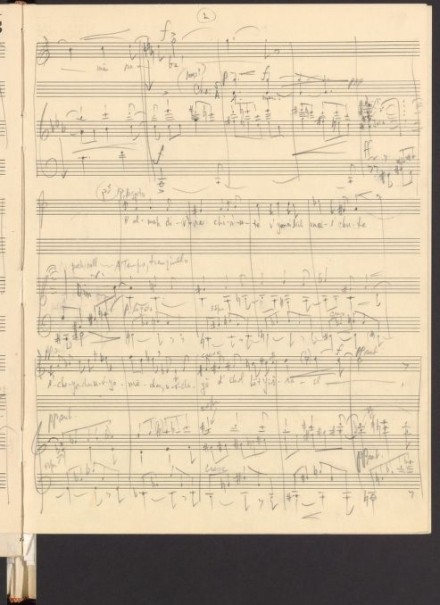
Bernstein’s Kaddish sketch
Bernstein’s third and most ambitious symphony, “Kaddish,” is a sprawling work for orchestra, chorus, boys’ choir, soprano soloist, and narrator. Dedicated to John F. Kennedy, it premiered in 1963 with the Boston Symphony Orchestra.
The symphony takes its name from the Jewish prayer for the dead, but rather than a traditional elegy, it is a dramatic dialogue between the narrator (representing humanity) and God, questioning divine justice in a world marked by suffering.
The work is structured in three movements, each incorporating the Kaddish prayer, interspersed with the narrator’s spoken text. Bernstein’s own libretto, which he later revised due to criticism of its theatricality, confronts God directly, expressing anger, doubt, and ultimately reconciliation.
Leonard Bernstein: Symphony No. 3, “Kaddish” – Ia. Invocation (Ann Murray, mezzo-soprano; Jamie Bernstein, vocals; London Oratory School Schola; BBC Symphony Orchestra; Leonard Slatkin, cond.)
Leonard Bernstein: Symphony No. 3, “Kaddish” – Ib. Kaddish 1 (Ann Murray, mezzo-soprano; Jamie Bernstein, vocals; London Oratory School Schola; BBC Symphony Orchestra; Leonard Slatkin, cond.)
The music is eclectic, blending atonality, serial techniques, and tonal lyricism. The second movement, “Din-Torah,” features a 12-tone row, a rare use of serialism in Bernstein’s work, symbolising chaos and conflict. In contrast, the final movement offers a radiant, tonal resolution, with the chorus singing the Kaddish prayer as a gesture of faith restored.
Scholars have long debated Kaddish’s emotional and philosophical impact. Allen Shawn argues that the symphony’s intensity reflects Bernstein’s personal struggles with faith and his response to global crises, including the Cuban Missile Crisis and Kennedy’s assassination.
The work’s theatricality, with its spoken narration and dramatic contrasts, aligns with itself as a microcosm of Bernstein’s symphonic output, encapsulating his ability to synthesise diverse influences into a cohesive, expressive whole.
Leonard Bernstein: Symphony No. 3, “Kaddish” – IIa. Din Torah (Ann Murray, mezzo-soprano; Jamie Bernstein, vocals; London Oratory School Schola; BBC Symphony Orchestra; Leonard Slatkin, cond.)
Leonard Bernstein: Symphony No. 3, “Kaddish” – IIb. Kaddish 2 (Ann Murray, mezzo-soprano; Jamie Bernstein, vocals; London Oratory School Schola; BBC Symphony Orchestra; Leonard Slatkin, cond.)
A Triptych of Tradition and Innovation
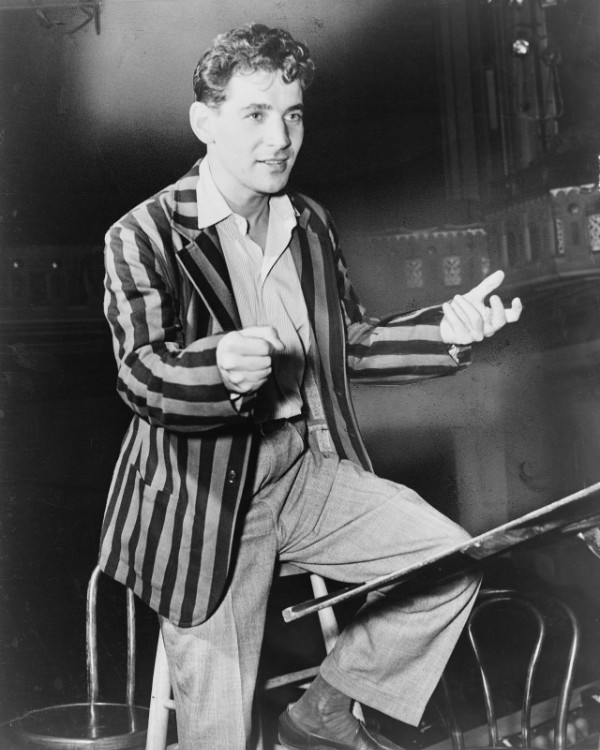
Leonard Bernstein, 1945
Bernstein’s symphonies occupy a unique place in the 20th-century symphonic repertoire. Unlike his Broadway works, the symphonies are more introspective and intellectually demanding. They engage with the symphonic tradition of Beethoven, Mahler, and Shostakovich while incorporating American and Jewish elements, creating a distinctly modern voice.
As Joseph Straus notes, Bernstein’s symphonies “negotiate the tension between tradition and innovation,” balancing accessibility with complexity.” The symphonies also reflect Bernstein’s lifelong commitment to addressing social and philosophical issues through music. Jeremiah confronts anti-Semitism, The Age of Anxiety explores post-war alienation, and Kaddish grapples with existential questions of faith and human suffering.
Together, they form a triptych of spiritual and cultural inquiry, rooted in Bernstein’s Jewish identity and American optimism. Critics have occasionally faulted Bernstein’s symphonies for their eclecticism, arguing that their blend of styles can feel disjointed. However, this eclecticism is precisely what makes them compelling.
As Carol Oja argues, Bernstein’s ability to “cross the boundaries between classical and popular, sacred and secular, American and global, defines his contribution to 20th-century music.” His symphonies challenge the listener to confront difficult questions while offering moments of profound beauty and hope.
Leonard Bernstein: Symphony No. 3, “Kaddish” – IIIa. Scherzo (Ann Murray, mezzo-soprano; Jamie Bernstein, vocals; London Oratory School Schola; BBC Symphony Orchestra; Leonard Slatkin, cond.)
Leonard Bernstein: Symphony No. 3, “Kaddish” – IIIb. Kaddish 3 (Ann Murray, mezzo-soprano; Jamie Bernstein, vocals; London Oratory School Schola; BBC Symphony Orchestra; Leonard Slatkin, cond.)
Timeless Symphonic Legacy
Leonard Bernstein’s three symphonies represent a remarkable synthesis of musical innovation, cultural commentary, and personal expression. Through their engagement with Jewish themes, American idioms, and universal questions of faith and identity, they transcend the traditional boundaries of the symphonic form.
Supported by a rich body of scholarship, these works reveal Bernstein’s ability to communicate complex ideas through music that is both intellectually rigorous and emotionally accessible. As the world continues to grapple with questions of meaning and connection, Bernstein’s symphonies remain a powerful testament to the enduring relevance of music as a medium for human understanding.
For more of the best in classical music, sign up for our E-Newsletter
Leonard Bernstein: Symphony No. 3, “Kaddish” – IIIc. Finale (Ann Murray, mezzo-soprano; Jamie Bernstein, vocals; London Oratory School Schola; BBC Symphony Orchestra; Leonard Slatkin, cond.)