
Conductors are the only musical performers that do not produce sound. Rather, they operate at the tip of a long chain of non-verbal communication from the composer to the audience. But conductors are hardly silent. Since conducting has always been
In tune
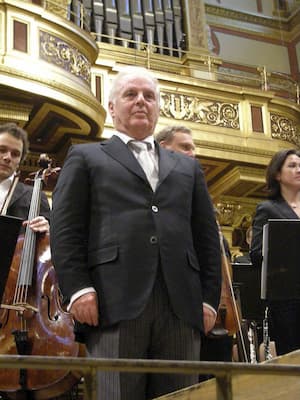
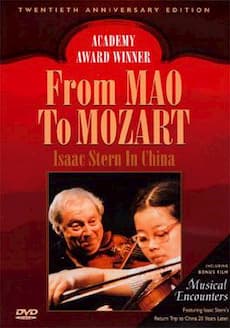
While it has been fashionable to separate the art from the artist—just think of Caravaggio, Woody Allen, Benjamin Britten, Richard Wagner and countless others—music and politics have always been intricately connected and entwined. As the great Isaac Stern famously said,
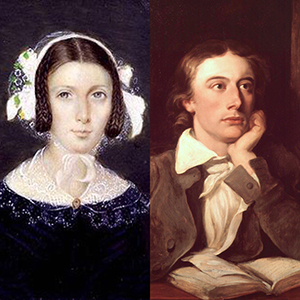
Fanny Brawne met John Keats at Wentworth Place in November 1818. She was described as “small, her eyes were blue and often enhanced by blue ribbons in her brown hair… She was not conventionally beautiful; her nose was a little
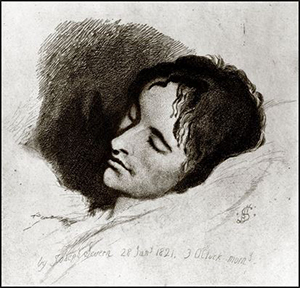
Tuberculosis, or consumption as it was known throughout the 19th century—decisively shaped the social history of Europe. Its impact on the artistic world was extremely powerful, with artists offering their own commentaries on the disease through painting, poetry and opera.

The English Romantic poet John Keats (1795-1821) tragically died from tuberculosis at the age of 25. Creating a profound body of work under the cloud of near-constant illness, Keats captured extreme emotions through an emphasis on natural imagery. In the
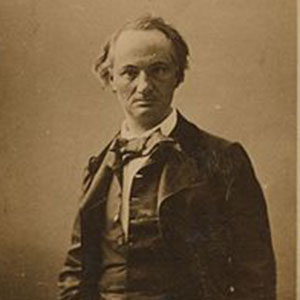
In 1936, Edna St. Vincent Millay and George Dillon published a translation of Baudelaire’s “The Flowers of Evil.” Trying to infuse the publication with a sense of authority, they asked the French poet, essayist, and philosopher Paul Valéry for an
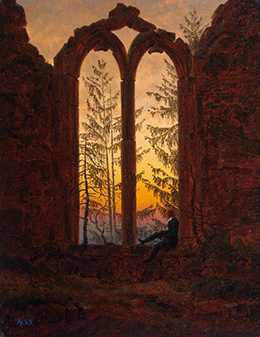
“La vie antérieure” (A former life) originates in Baudelaire’s Les Fleurs du Mal first published in 1857. The collection was reissued in 1861 and published for the final time in 1868 after Baudelaire died. Baudelaire is generally considered to be

Setting the poetry of Baudelaire to music is a highly complex undertaking. His poems have a complexity of thought and a richness of verbal music that almost defy the composer to add anything. Francis Poulenc, who devoured Baudelaire’s verse avidly