
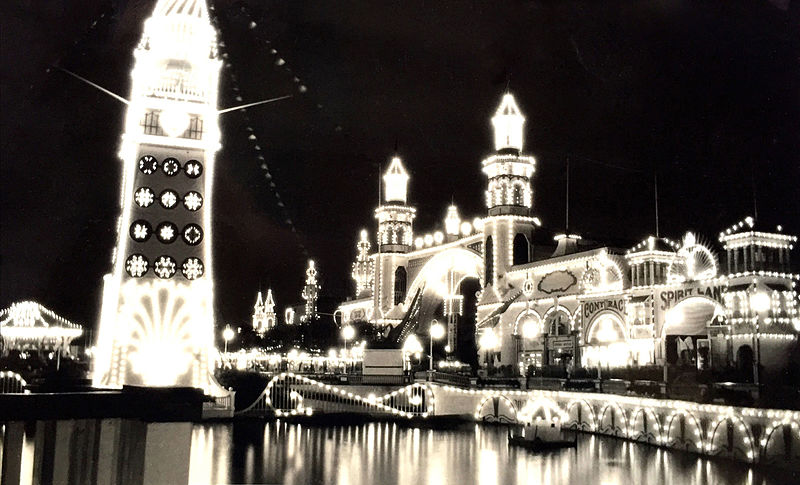
The turn of the 20th century saw a surprising number of Moon songs. It also saw the first amusement park devoted to the moon: Luna Park in Coney Island, New York. That original Luna Park, which opened in 1905, was
In essence
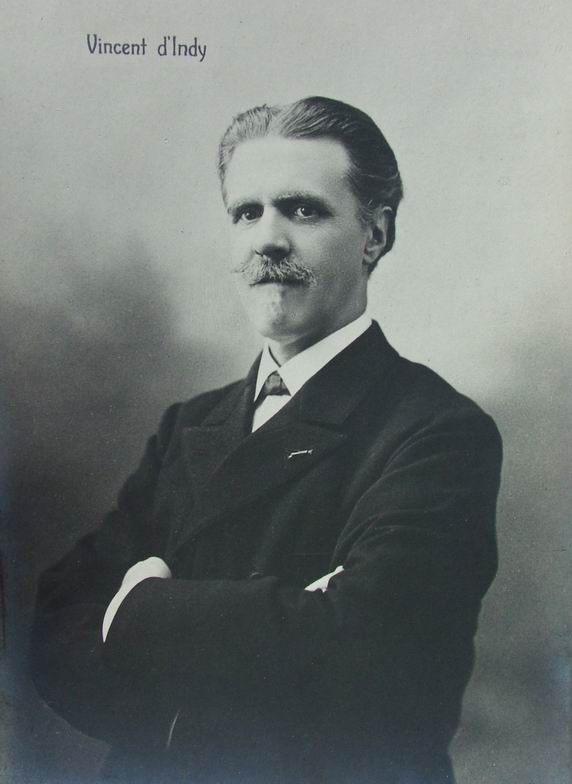
Vincent d’Indy (1851-1931) was considered by Gabriel Fauré as ‘The Samson of Music,’ not only for his work as a composer and conductor but also for his work as an educator and propagandist for French music. He followed his teacher
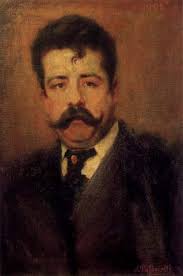
Destitute and on the verge of starving, Ruggero Leoncavallo (1857-1919) arrived in Paris. He found work as an accompanist at various café-concerts, and eventually attracted attention. Colloquially known as the “great little Italian,” he gradually gained entry into the various
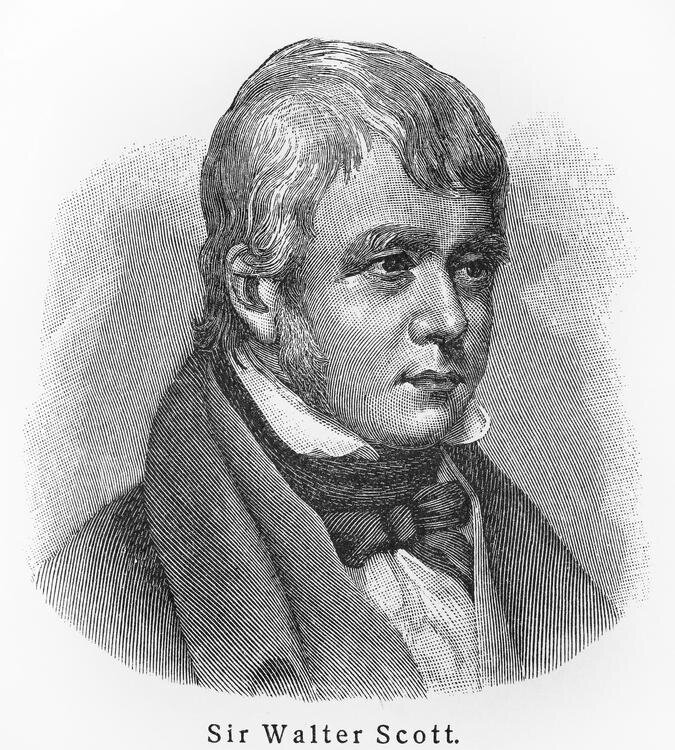
The Scottish author Sir Walter Scott is second only to Shakespeare for the number of musical pieces that his works, both plays and poetry, have inspired. Some of the operas he inspired are still standard on the opera stage today
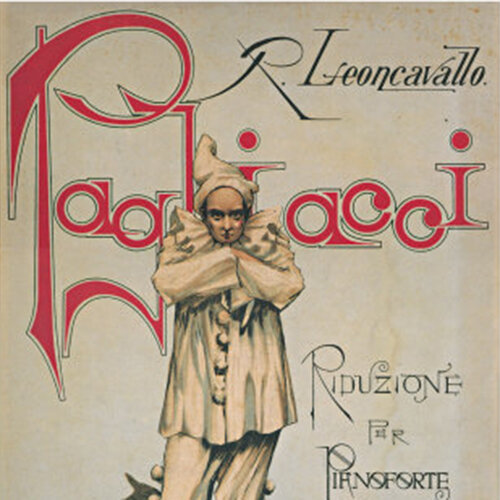
A fair number of composers are primarily known for only one piece of music. And such is certainly the case with the Italian opera composer and librettist Ruggero Leoncavallo (1857-1919). His single lasting contribution, Pagliacci (Clowns), is still one of
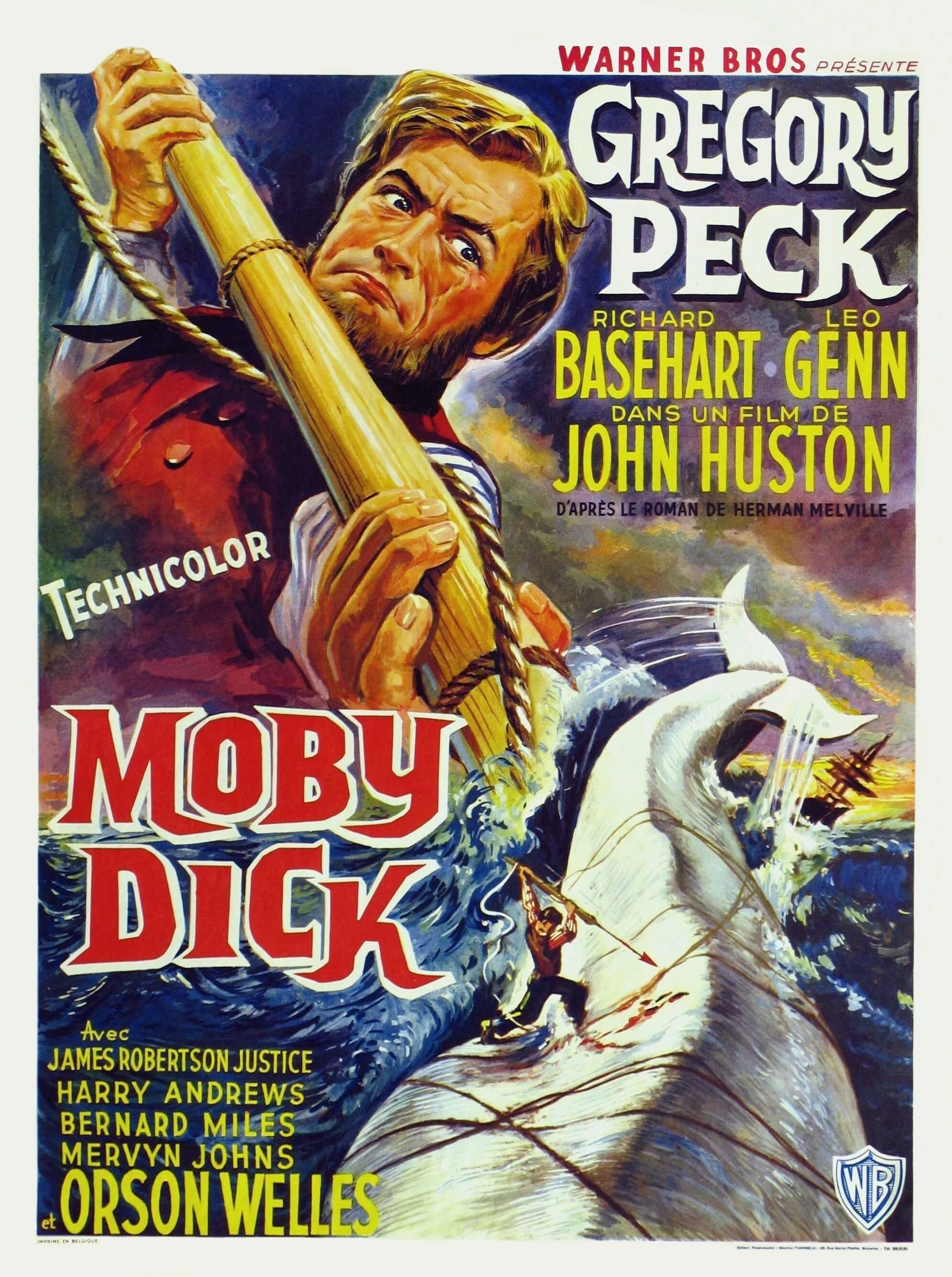
Hollywood has always been eager to bring epic novels to the silver screen. And such was the case when they took on Moby Dick in 1956. Ray Bradbury, who confessed to director John Huston that he had “never been able
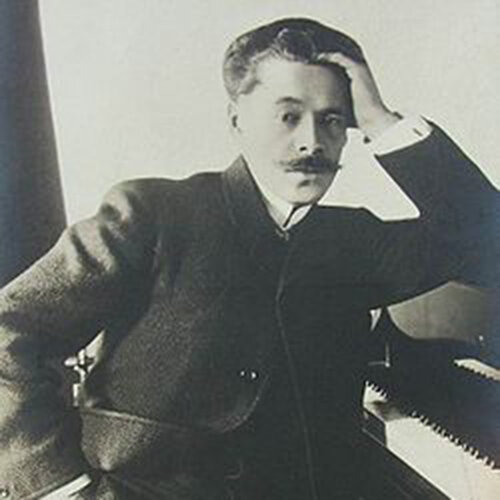
Anton Arensky (1861-1906) could not be considered a musical rebel by any stretch of the imagination. Perceived to lack a distinctive personal style, Rimsky-Korsakov famously said, “in his youth Arensky did not escape some influence from me; later the influence
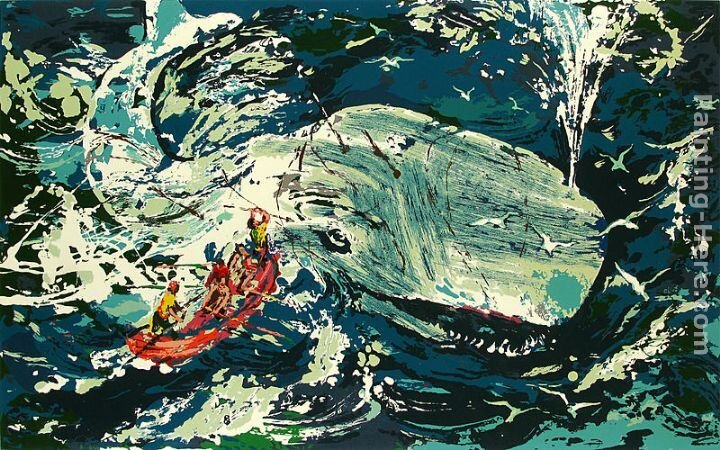
On 1 August we celebrate the 200th birthday of Herman Melville (1819-1891), the author of one of the greatest novels in the English language. But Moby Dick, the epic tale of the voyage of the whaling ship “Pequod” and its