
The Russian art song has a distinguished history. The genre’s origins are attributed to Mikhail Glinka, who made it part of his campaign to create a Russian national style distinct from European musical culture. Anton Arensky (1861–1906) studied at the
Arensky
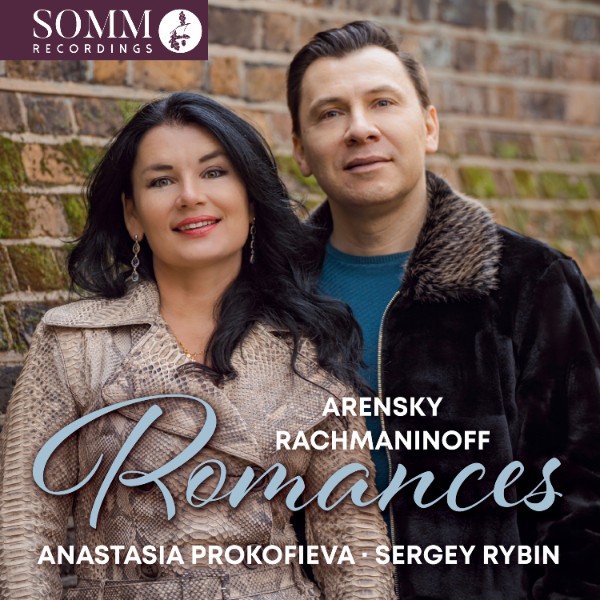

Anton Arensky was born on 12 July 1861 in Novgorod, on the banks of Lake Ilmen. His father was a physician and played the cello, and his mother was said to have been a good pianist. Young Anton showed great
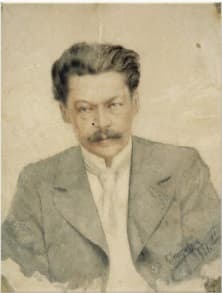
In his Memoirs, Rimsky-Korsakov was decidedly unkind to his student Anton Arensky. He accused him of having been an alcoholic and gamblers, and that his death by consumption was the final and just result. “By the nature of his talents
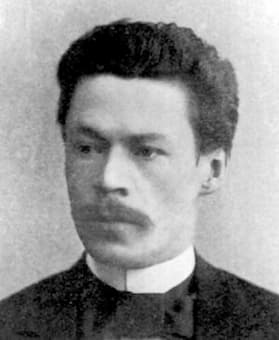
Anton Stepanovich Arensky (1861-1906), born in Novgorod 160 years ago, never considered himself a musical rebel. He was not particularly interested in musical folklore or Russian musical identity, but rather combined his native musical influences with a much more cosmopolitan

In Russian literary circles, and indeed in many other parts of the world, Afanasy Afanasyevich Fet (1820-1892) is considered to be “among the best lyricists of Russian literature.” A critic wrote, “Such lyrical insight into the very core of human
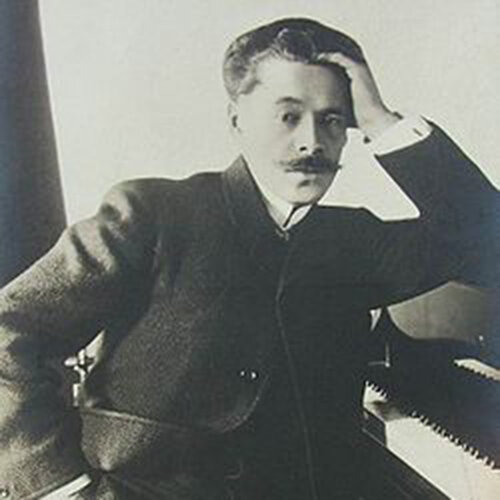
Anton Arensky (1861-1906) could not be considered a musical rebel by any stretch of the imagination. Perceived to lack a distinctive personal style, Rimsky-Korsakov famously said, “in his youth Arensky did not escape some influence from me; later the influence
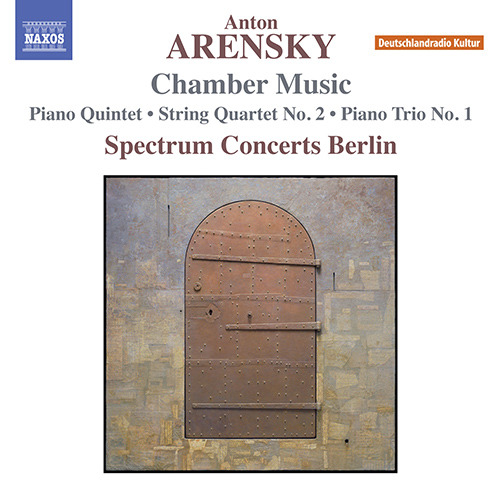
Piano Quintet in D Major, Op. 51 III. Scherzo: Allegro vivace From Arensky: Chamber Music – Piano Quintet / String Quartet No. 2 / Piano Trio No. 1 (2015) Released by Naxos Arensky: Piano Quintet in D Major, Op. 51