
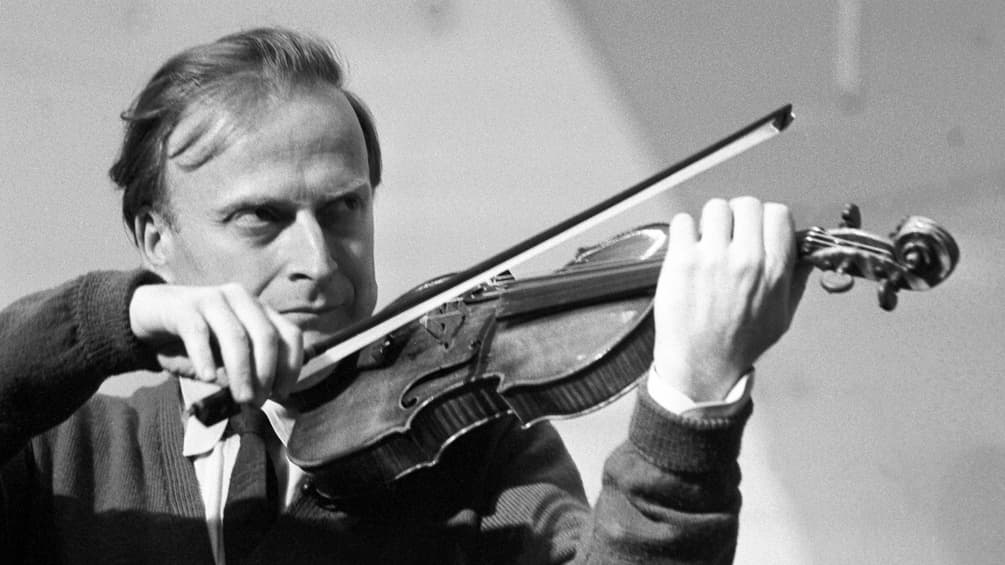
Ever since I was a little child, I listened to recordings by Yehudi Menuhin. In every single note that phenomenal violinist produced fantastic intensity and emotion. I remember listening to Bach’s Air on a G string, and I had never
In essence
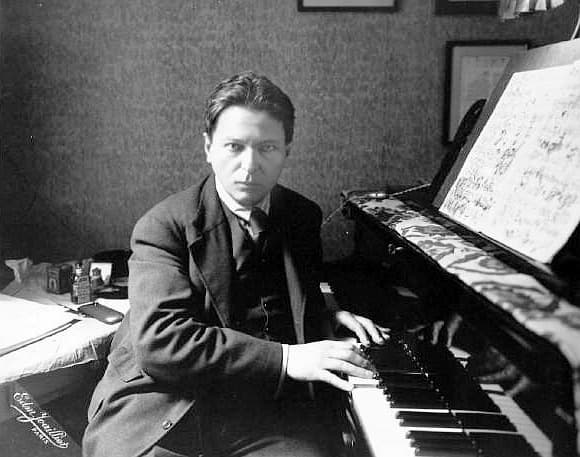
A product of a 19-year-old composer, George Enescu’s Romanian Rhapsody No. 1, completed in 1901, is thought to be a loosely connected set of episodes sources on folk dances and folk songs. But although these are seemingly ‘as found’, Enescu
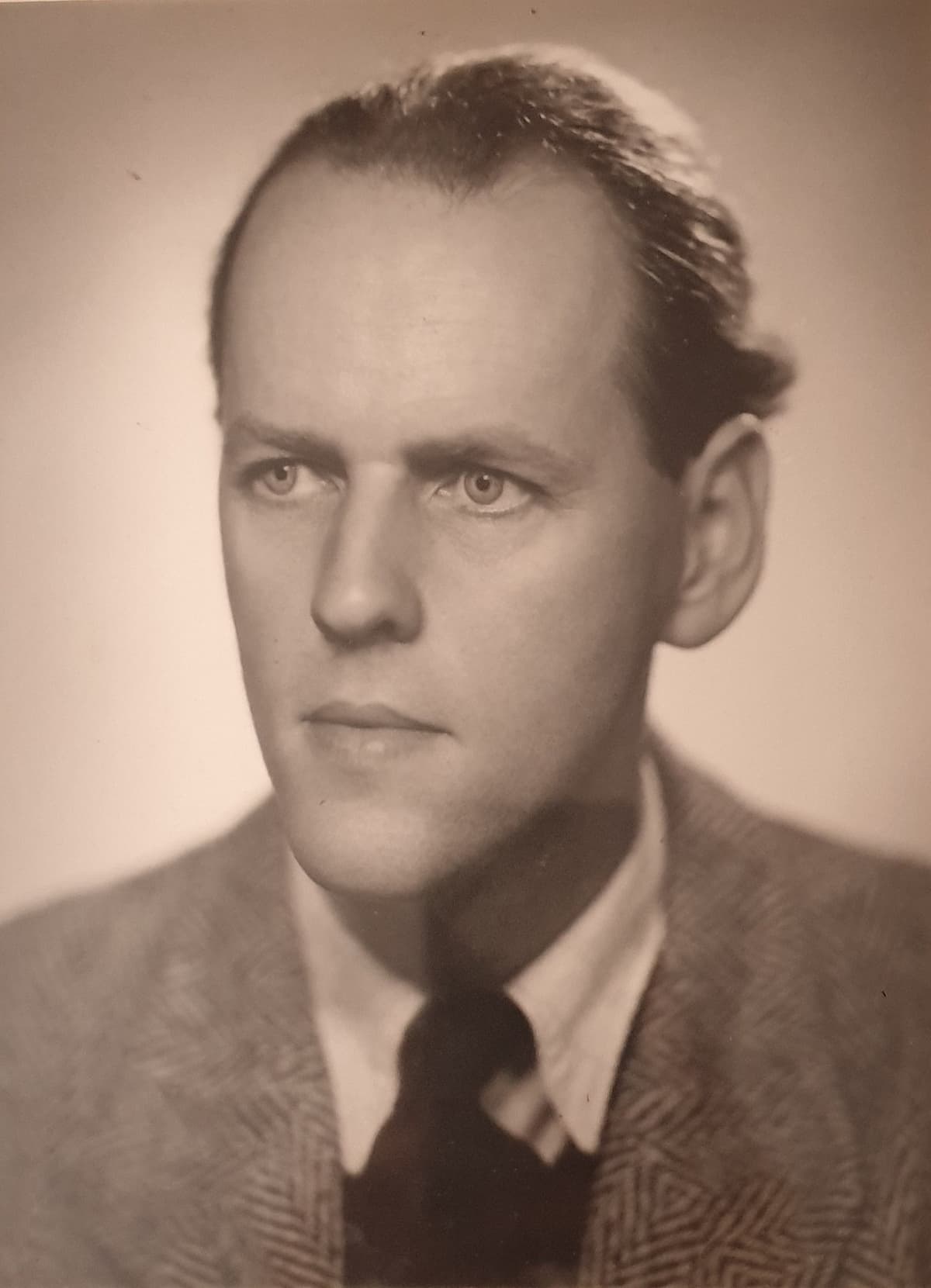
In Japanese architecture “moya” designates the core or central part of a residential building. When Buddhism was introduced to the country in the 6th century, “moya” became the designation of the sacred central area of a temple building. In the
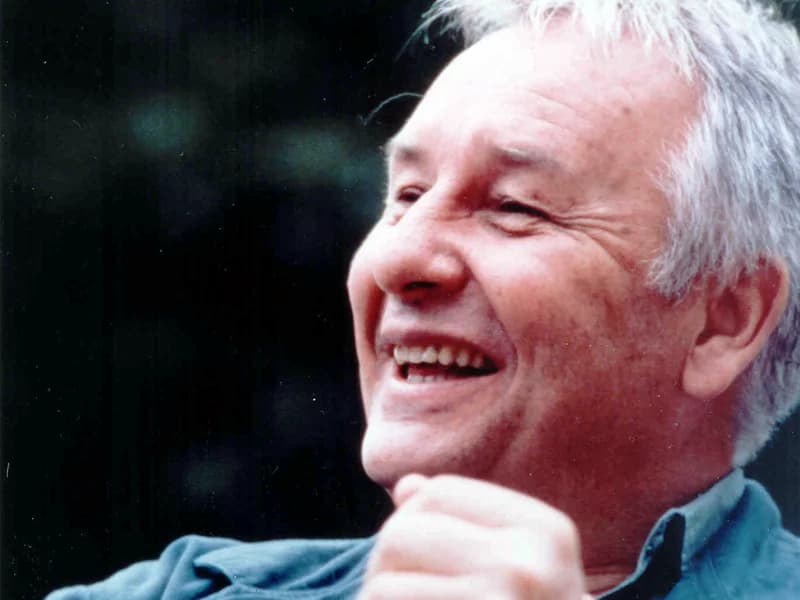
Several pieces have the word ‘olden’ in their titles. We’ll look at 4 works and see that each composer carries a different meaning for the word. Henryk Górecki: 3 Olden Style Pieces Górecki combined elements of folk origins with modern

Without doubt, in the world of madcap artists and composers, Erik Satie was the most eccentric. Just how eccentric was he? In 1893, he conceived a piece entitled Vexations. The piece consists of a single bass phrase to be accompanied
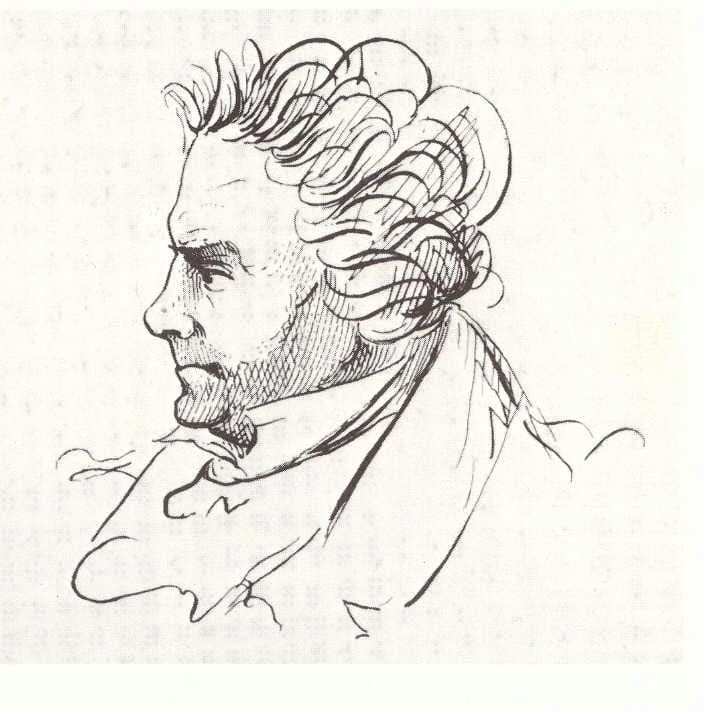
In November 1792, Beethoven was sent by his patron, the Archbishop-Elector of Bonn, to Vienna, where he would study with Haydn. To show his pupil’s progress, Haydn reported back to the Archbishop-Elector, sending examples of his work. Unfortunately, one of
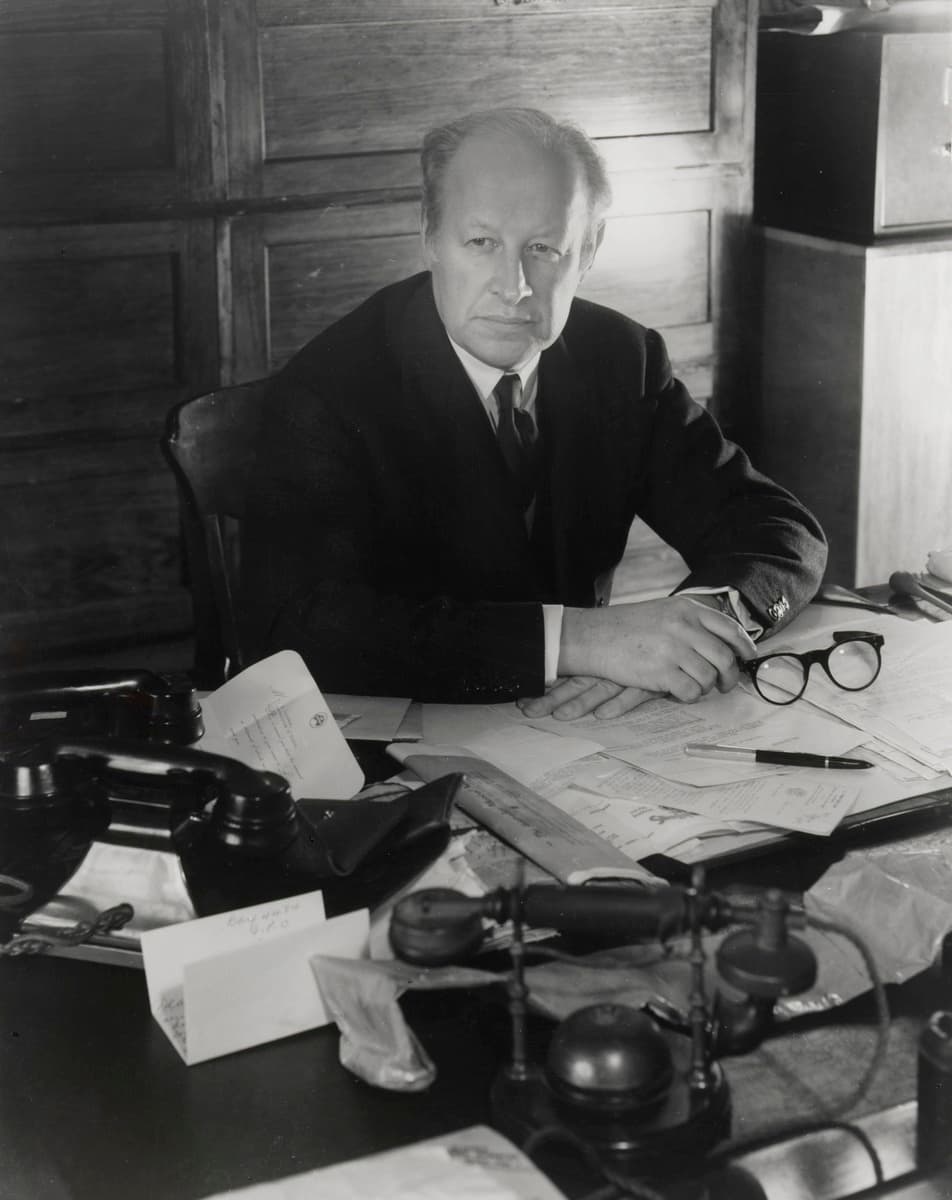
Sir Eugene Goossens (1893-1962) was a member of one of the most important English musical dynasties of the 19th and 20th centuries. He started his career as a professional violinist, performing his own compositions influenced by the musical styles of
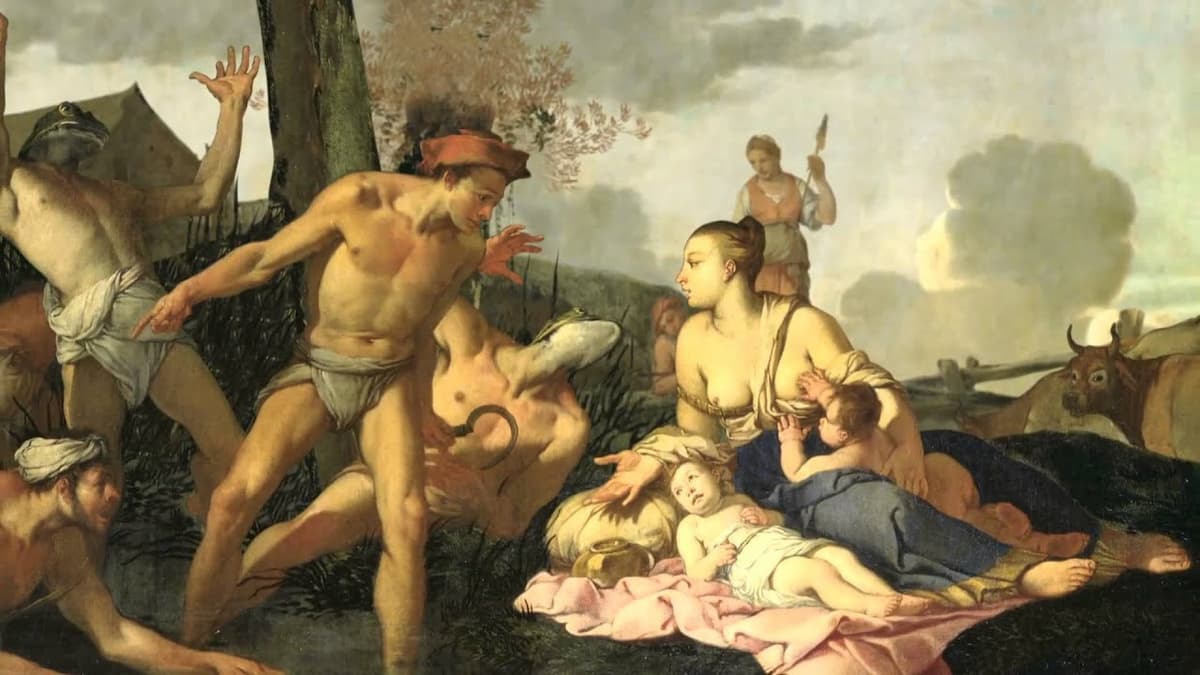
In an earlier episode, I told the story that Carl Ditters von Dittersdorf (1739-1799) planned on writing a total of 15 symphonies based on Ovid’s Metamorphoses. He presented the Viennese publisher Artaria with a detailed outline of his grand design.