
We celebrate Gioachino Rossini (1792-1868) as one of the most successful and popular operatic composers of his time. And although you might never have actually seen or heard a complete Rossini opera, I am sure you know a good many
In essence
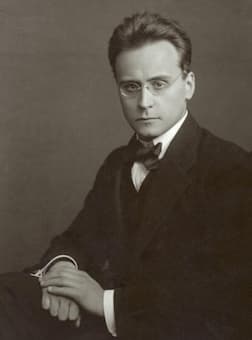
Anton Webern (1883-1945) is best known to us as part of the Second Viennese School with his teacher Arnold Schoenberg and fellow-student Alban Berg. Before he was a radical atonal composer, however, he was a nice Romantic composer whose idol
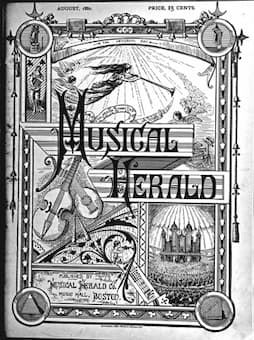
For a good many people, including some practicing musicians, music history can be a somewhat distant and dry subject. Educators, scholars and critics have long searched for ways to make this particular subject more palatable. The Musical Herald started publishing
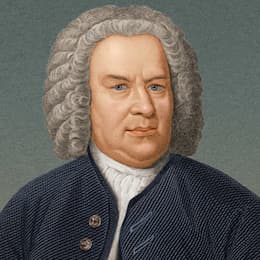
If you listen to the recordings by Glenn Gould playing Bach, you can’t help but notice that he kept singing, humming or groaning along as he plays. Since audio engineers were not always successful in erasing his voice from the
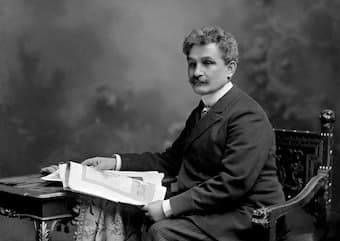
The nationalism that hit the 19th century and carried through to the 20th century had a profound effect on music. Music that had been ignored for its folk-like character, or its non-urban nature, became the basis for new works that
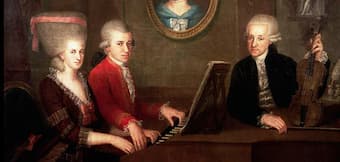
Throughout his early years, Wolfgang Amadeus Mozart was teamed up with his older sister Nannerl to entertain audiences with music for piano four-hands. And not entirely unexpected, he composed a number of works for himself and his sister. However, once
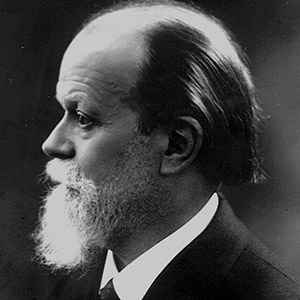
Jules Mouquet (1867-1946) studied at the Paris Conservatoire and after winning the Prix de Rome in 1896, became a professor at the Conservatoire in 1913. In the early 20th century, Mouquet wrote his lovely flute sonata, La Flûte de Pan.
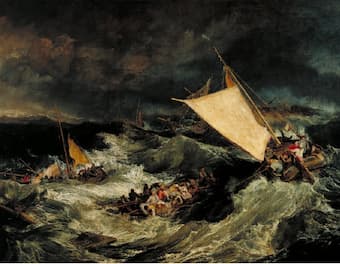
In 1935, Romanian composer George Enescu (1881-1955) started working on what was going to be a symphonic suite entitled Voix de la nature (Voice of Nature). He only completed one movement, Nuages d’automne sur les forêts (Autumn Clouds over the