
Wind-Inspired Classical Music In depicting the meteorological phenomenon, one of the most interesting is the most invisible – the wind. It can be the gentle breeze of spring or the rough gales of winter, the cooling breeze of summer, or
In essence


The Lithuanian composer Žibuoklė Martinaitytė writes under self-imposed strictures: for the piece here, she confines herself to the diatonic notes, the white notes, of the piano, with only rare movements onto the chromatic, black keys. Her time signs are confined
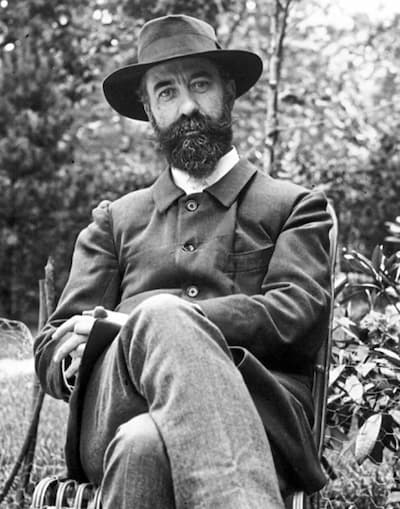
French composer Charles Koechlin (1867-1950) started life as an engineering student but poor health and poor grades made him give this up at age 22, he entered the Paris Conservatoire. He studied composition with Jules Massenet with his fellow students
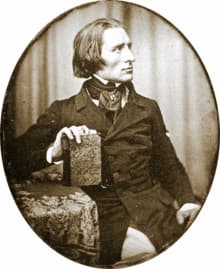
Franz Liszt had a number of worldly vices, and alcohol, cigars, and cognac ranked high on that list. Mealtime with Franz Liszt invariably meant getting hammered! When he attended a banquet in Prague in 1846, Hector Berlioz was in attendance
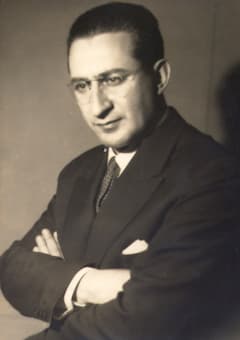
The Brazilian composer Camargo Guarnieri (1907-1993) met the poet and musicologist Mário de Andrade in 1928. The student was already a composer and the poet was working on a theory, encapsulated in his book Ensaio sopra la Música Brasiliera (Essay
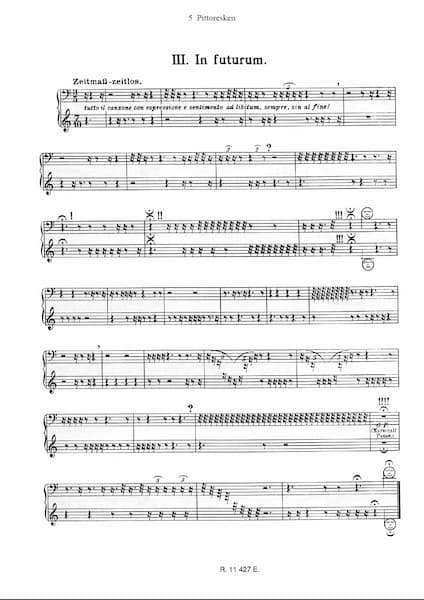
Although his piece is the most famous, 4’33” by John Cage wasn’t the first silent piece to be written. There are at least two earlier works that also take up the sound of silence. Alphonse Allais (1854-1905) wasn’t a composer
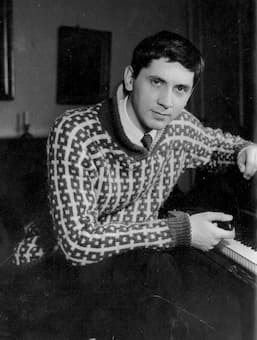
Einojuhani Rautavaara (1928-2016) was one of the new Finnish composers who followed after Sibelius. He wrote using both 12-tone serial techniques and in a neo-romantic style. He started his music education with his father, an opera singer and cantor, but
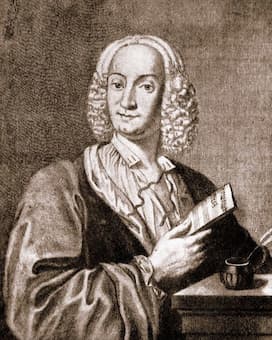
We’ve said it before – some music you can just hear too much. For a while, you couldn’t move on American public radio without being assaulted by Vivaldi’s Four Seasons. Every once in a while, though, a performance has the