
The idea of a trio is simple. Three people, three performers, and so on. But the musical trio is something special. We’ll start with the piano trio. At first piano trios were groups that got together and then just as
Articles
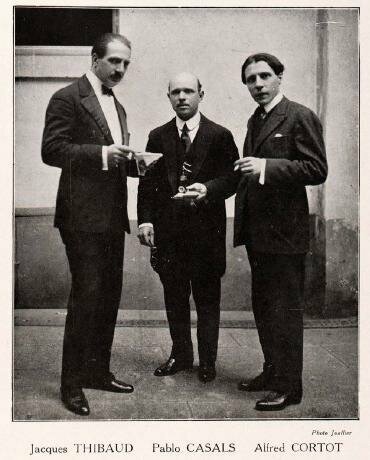
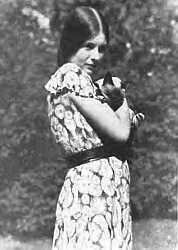
When Alban Berg’s Violin Concerto premiered at the Palau de la Música Catalana, in Barcelona on 19 April 1936, the composer was no longer alive. Shortly after he had finished the composition he was stung by an insect at the
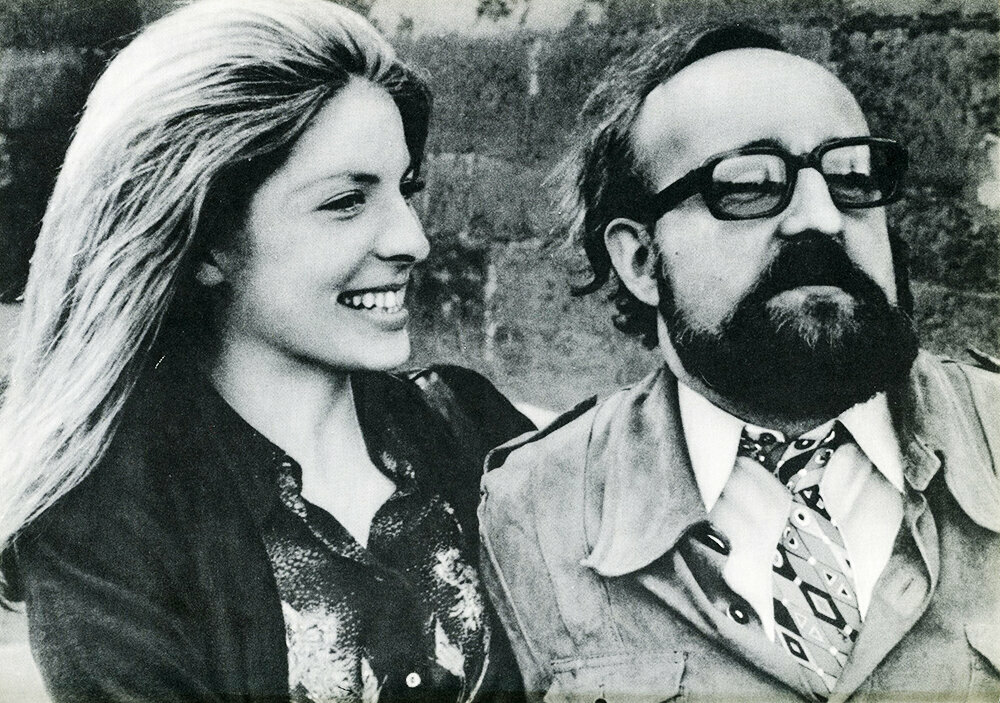
I don’t know if you agree, but The Exorcist (1973) and The Shining (1980) are two of the most iconic horror movies ever to flicker across the silver screen. These are all about scary imagery, ranging from a twisting and
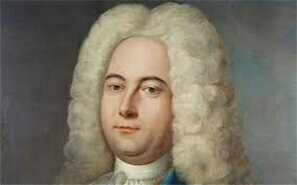
There was great confusion at the premiere of Handel’s “Serse” at the King’s Theatre, Haymarket on 15 April 1738! I know you are asking yourself why that might have been the case? After all, Handel was setting the London stages
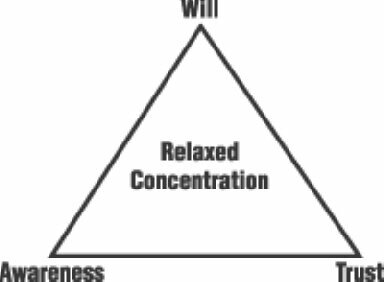
How does it feel to play that passage of Liszt or that section of Schubert beautifully? Or the grandest measures of Bach? The tenderest Chopin? The most sensitive, haunting Debussy? To plumb the profoundest, most spiritual depths of Messiaen?
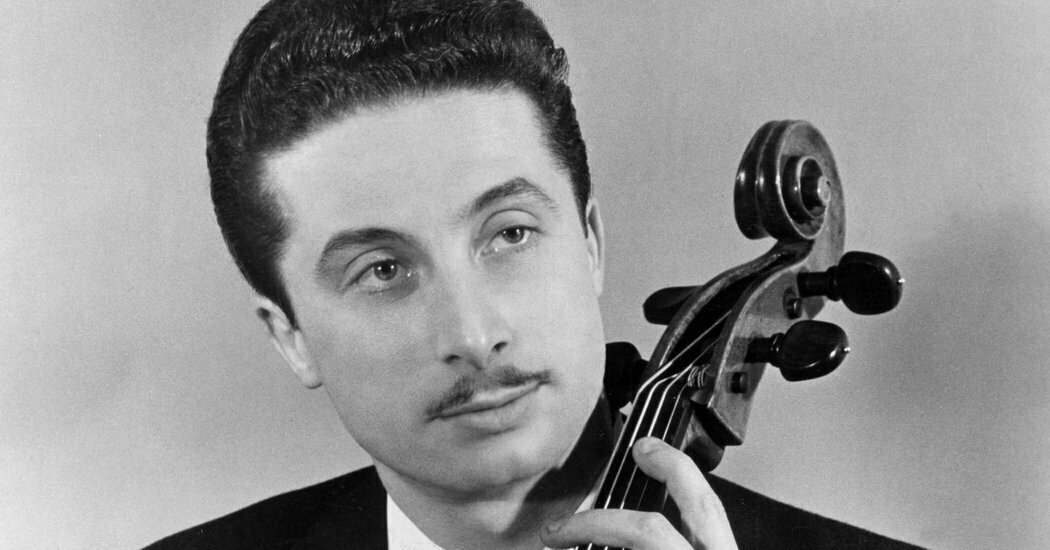
Hungarian cellist Laszlo Varga escaped war-torn Budapest, and Nazi forced labor, to become principal cello of the New York Philharmonic, a recitalist, quartet player, and revered teacher. He was born in Budapest in 1924, surrounded by music—his father was an
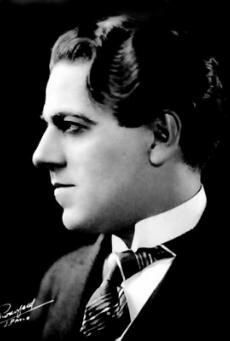
Heitor Villa-Lobos (1887-1959) is rightfully credited with merging the music of his native Brazil with musical elements and stylistic features from a central-European classical tradition. Born in Rio de Janeiro but trained in the European Conservatory tradition, Villa-Lobos began to
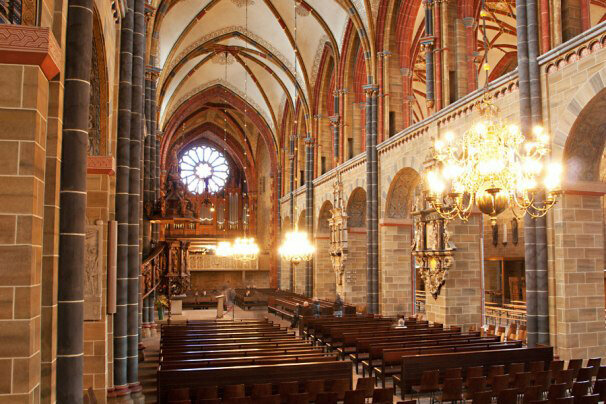
Johannes Brahms was highly indifferent to organized religion. Although baptized and confirmed in the Lutheran faith, he considered the bible “a repository of experiences and wisdoms rather than a definition of Christian creed.” It was the death of his beloved