
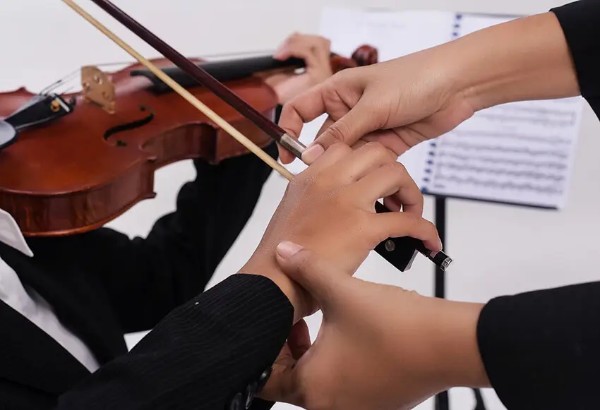
I have played the violin for nearly thirty years. I started on a ¼-size violin as a child. I’ve been in a youth orchestra, attended a summer chamber music festival as a teenager, and studied with well-known teachers. I’ve played
Articles
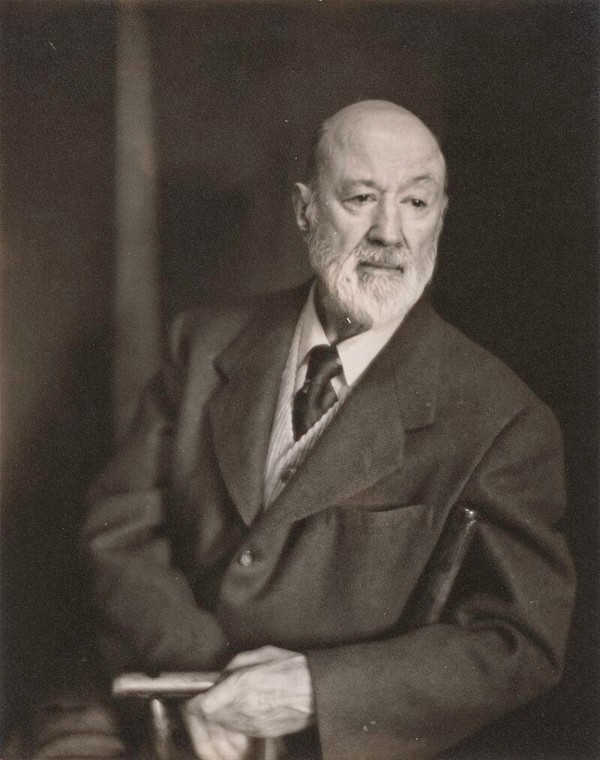
Charles Ives, born on 20 October 1874 in Danbury, Connecticut, is regarded as the leading American composer of art music of the early 20th century. He composed only in his free time, turned down a professional music career, and made
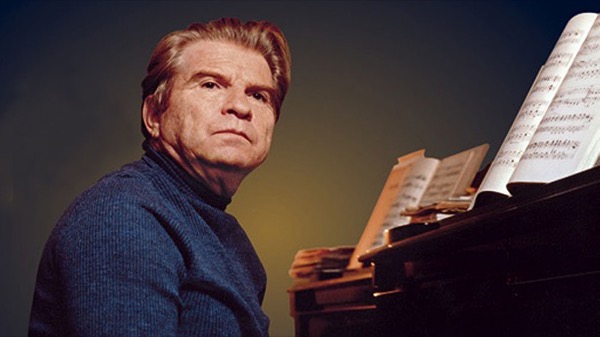
Born in Odessa on 19 October 1916, Emil Gilels was universally admired for his superb technical control and polished tone. His extensive discography, according to Bryce Morrison, “details his development from early impulsiveness and heaven-storming bravura to readings that are
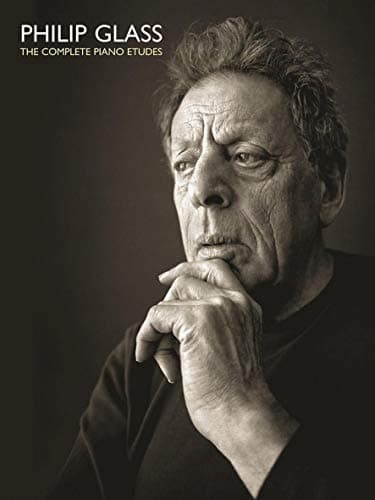
In 2026, Steve Reich celebrates his 90th birthday. In 2027, it will be Philip Glass’. Two figures in the history of contemporary classical music who have redefined the landscape holistically. Two composers who have revolutionised how music was conceived and
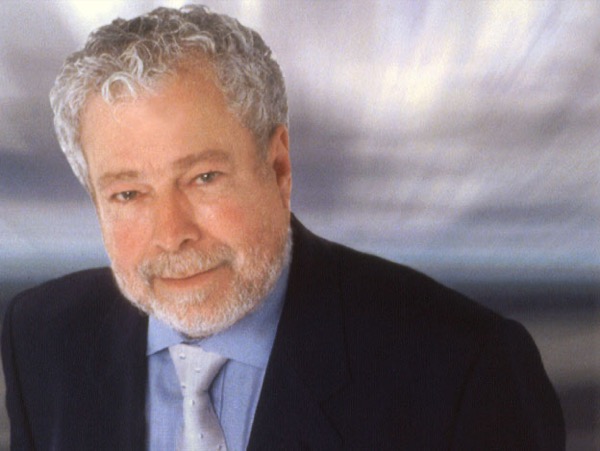
Brazilian pianist Nelson Freire, born on 18 October in Boa Esperança, Minas Gerais, gave his first recital at age four and, after placing seventh in the International Piano Competition in Rio de Janeiro at age twelve, went on to study
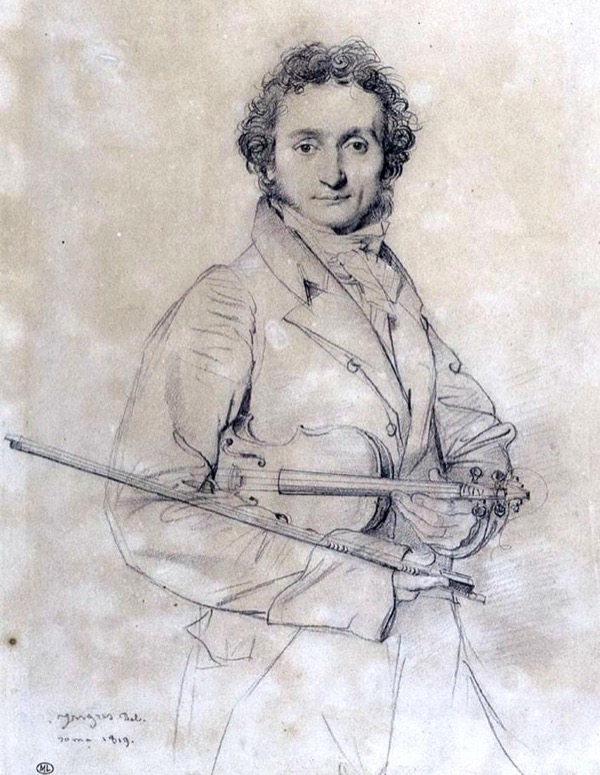
A major turning point in Niccolò Paganini’s life came in the summer of 1825, when his illegitimate son, Achilles Paganini, was born. His relationship with Achilles’s mother was, for all intents and purposes, over by the time the baby arrived,
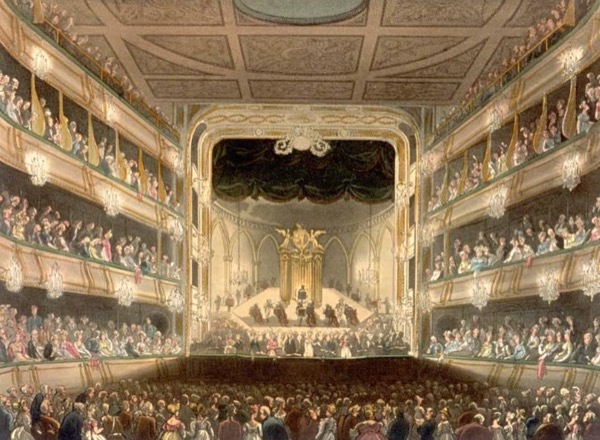
Between 1710 and 1740, Handel composed over thirty Italian operas specifically for the competitive London stage. Among these monumental achievements, Ariodante stands as a crowning masterpiece from the late period of his operatic career. The origins of Ariodante trace back
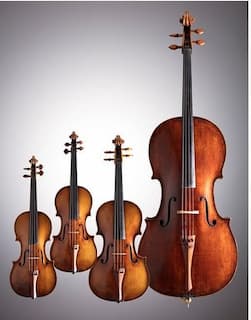
Over the past few centuries, the idea of what a string quartet is – and what it can be – has been rewritten again and again. It began as an outgrowth of four-part sonatas and took generations of experimentation before