
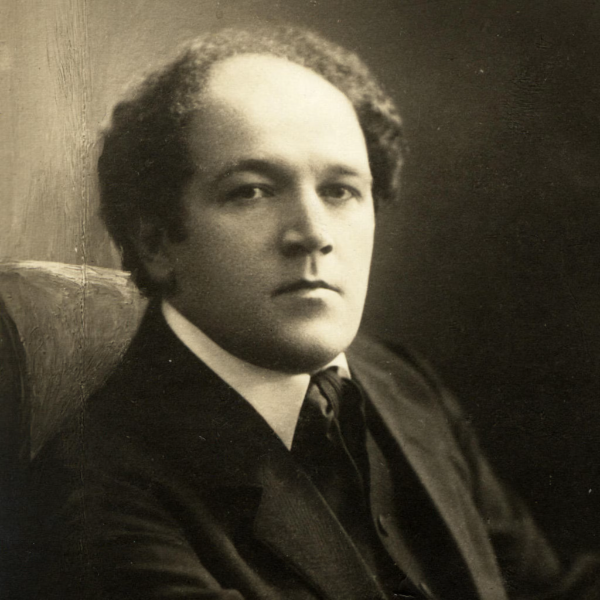
Nikolai Medtner (1880–1951) was born into a cultured Muscovite family, and he graduated from the Moscow Conservatoire in 1900. He was admired as an exceptional pianist, and he expressed himself almost exclusively through the piano. He was essentially self-taught as
Articles
Preface / Abstract The present study articulates a theoretical approach regarding the origin of musical harmony, examining it not only as a mathematical or aesthetic phenomenon, but also as an expression of human communication, language, and spiritual experience. The core
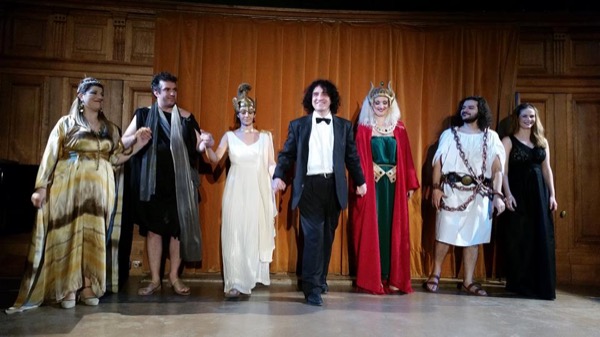
Following a previous article, “Musical Friendships”, let us now turn our attention to the institutions, venues, and conservatoires that have shaped the history of Western classical music. Before the digitalisation of the world, these places were central to musical life.
Remembrance Day is generally observed on 11 November, marking the 1918 armistice that ended World War I. Hostilities ended “at the 11th hour of the 11th day of the 11th month” of 1918, and this day of commemoration honours members
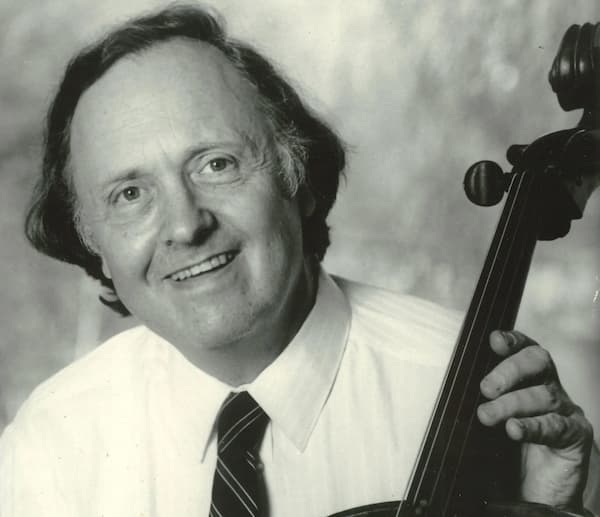
Cellist Leslie Parnas was born on 11 November 1931 into a highly musical family, and he began playing the piano at age five and the cello at eight. Progressing rapidly, he entered the Curtis Institute in Philadelphia at 16 and
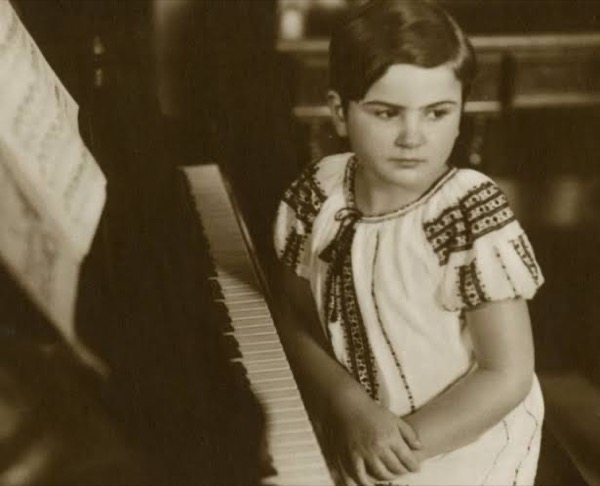
In 1952, Ruth Slenczynska entered a recording studio to play Bach. The resulting recordings, later reissued on CD by Ivory Classics in 1998, might seem unremarkable in the context of a pianist’s career: a series of solo works by one
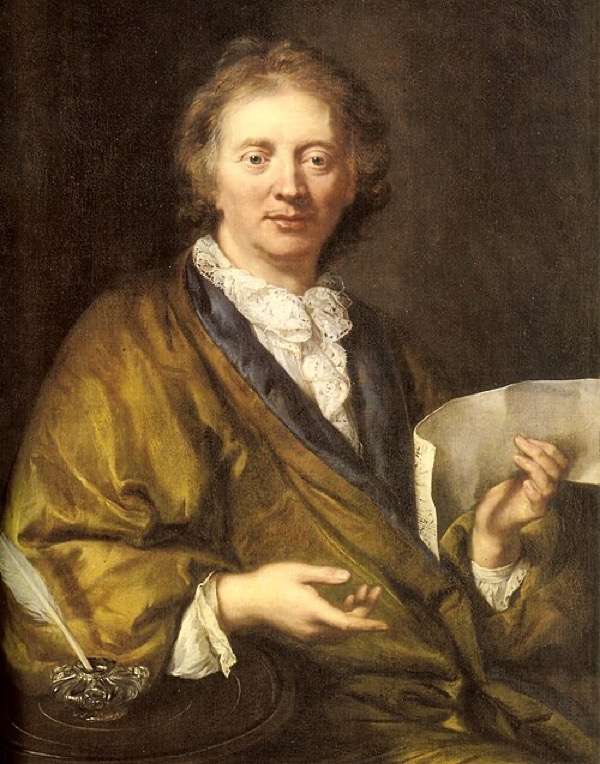
François Couperin, [le grand], born on 10 November 1668 in Paris, was the most important member of the Couperin dynasty of musicians. He wrote some of the finest music of the French classical school, and far surpassed his contemporaries in
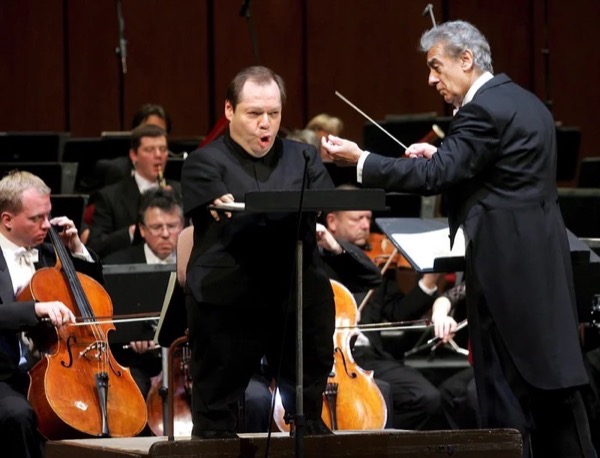
Thomas Quasthoff was born on 9 November 1959 in Hildesheim, Germany. That wonderful bass-baritone has been called “one of the greatest singers of our time and certainly one of the most remarkable of any time.” As a singer, he had