
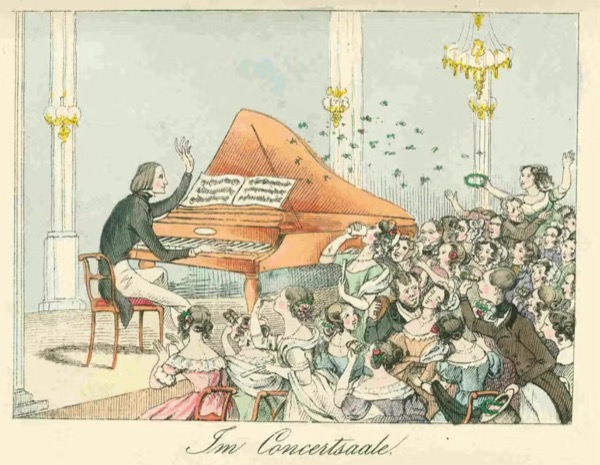
Classical music history is often seen as dignified and serious – all powdered wigs, solemn portraits, and stuffy concert halls. But scratch the surface, and the past turns out to be far stranger. Behind some of the most revered composers
Articles

Born on 13 June 1974 in Paris, the French-Swiss cellist Ophélie Gaillard has over thirty albums to her credit. She has recorded in a variety of styles and genres, all acclaimed for their richness and technical brilliance. Renowned for her
Wikipedia is famous for its rabbit holes: interesting links that lead to other interesting links that lead to other interesting links, and so on. From bizarre musical superstitions to wild concert disasters, Wikipedia is full of fascinating lists, spreadsheets, and
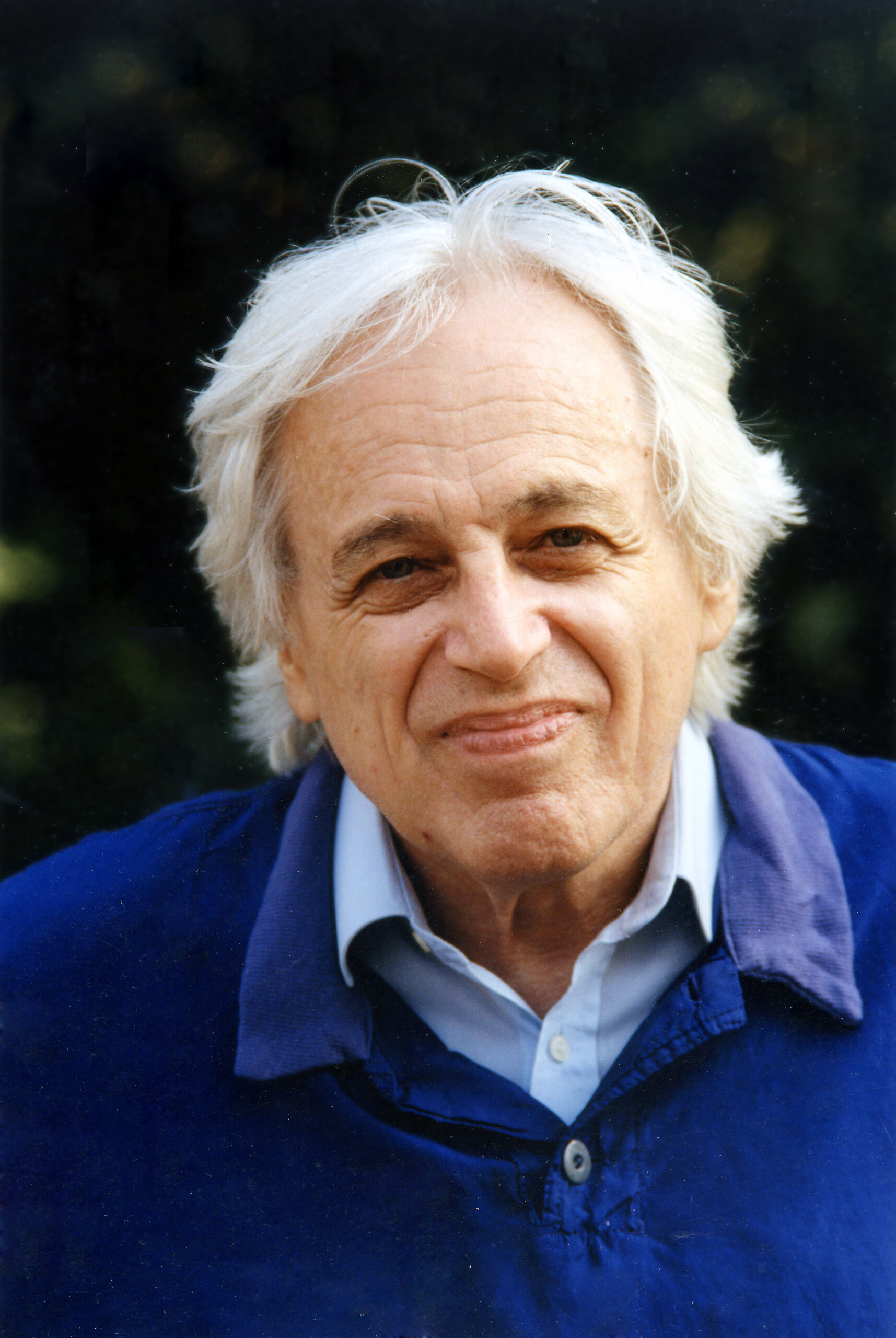
György Ligeti, one of the most innovative and influential avant-garde composers in the latter half of the twentieth century, died on 12 June 2006 in Vienna. And if you don’t know his name, you probably have heard some of his
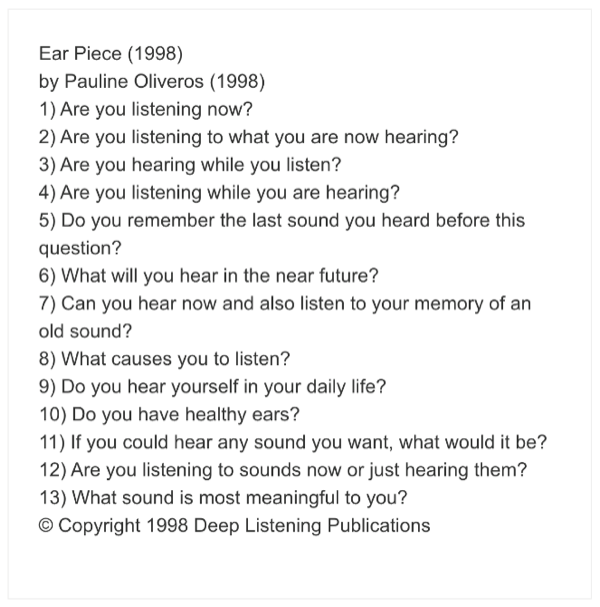
Musical notation is a fascinating and multifaceted thing. In previous articles, we’ve explored the beguiling ambiguity of graphic scores and the quirky potential of performance directions as exemplified in the works of Erik Satie. Today, we explore so-called “text scores”
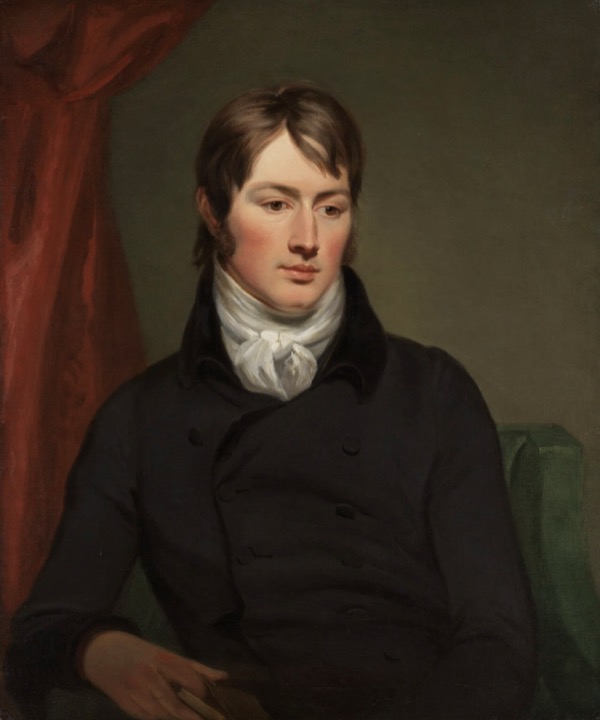
On 11 June 2026, we honour the birth of John Constable (1776-1837), one of Britain’s most important landscape artists. Some contemporaries found his work as exhilarating as a lungful of oxygen, while others were baffled by his uncompromisingly realistic treatment
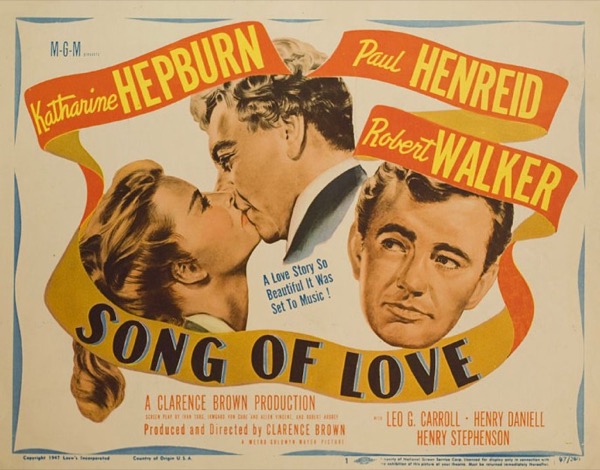
Many modern listeners are fascinated by the love triangle of Robert Schumann, Clara Schumann, and Johannes Brahms. If Interlude’s analytics are anything to go by, so are you! This musical trio has been sparking fascination for generations, so much so
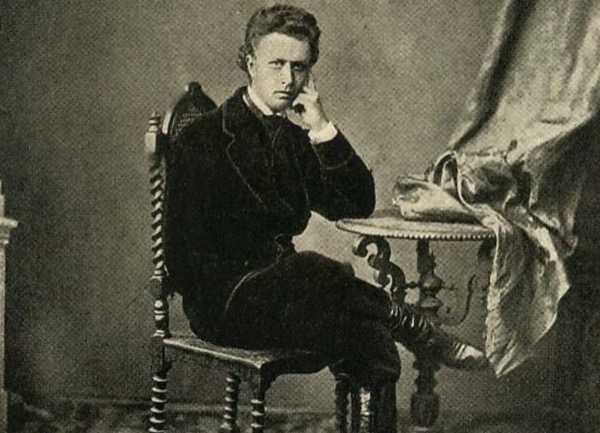
Classical musicians and listeners tend to take it for granted that great pianists have two working hands. But some of the most remarkable piano careers of the past two centuries were built under radically different circumstances. From the nineteenth century