
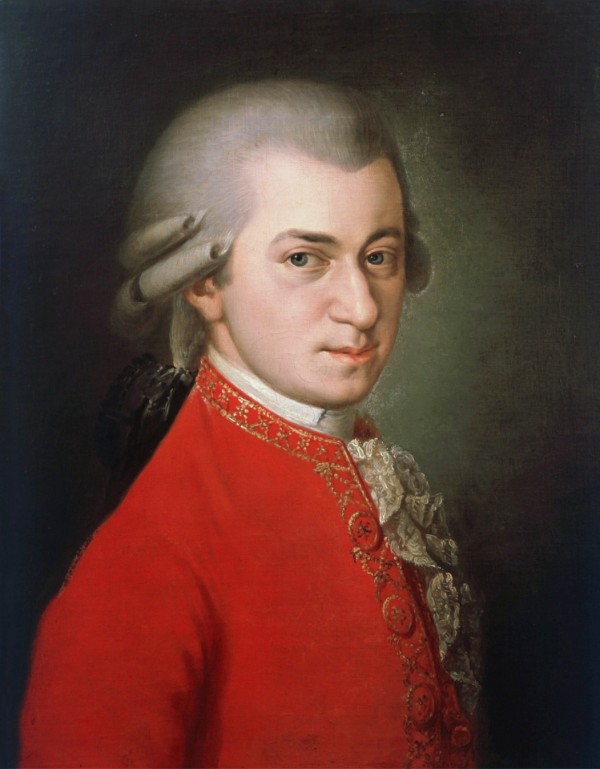
Wolfgang Amadeus Mozart is one of the most famous composers in Western music history – and one of the most mythologised. Over the past two centuries, popular culture has transformed Mozart’s legacy into a series of legends: the genius who
Articles
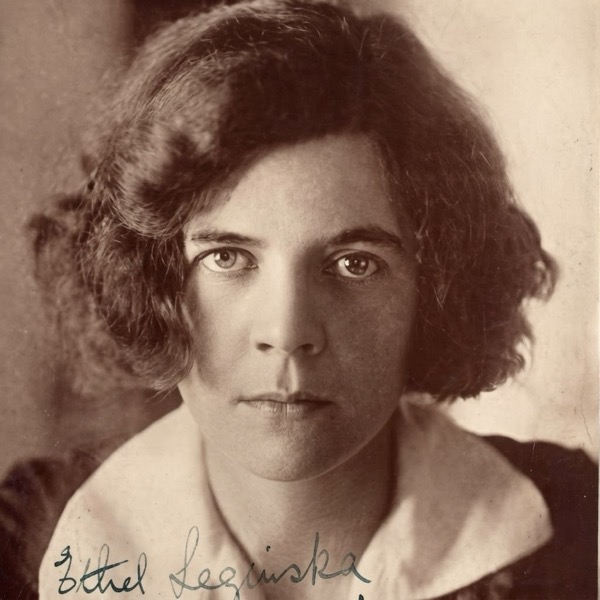
History has a reliable habit of erasing women who made their mark – and the history of classical music is no exception. Some were too inconvenient to remember. Ethel Leginska (13 April 1886 – 26 February 1970) was one of
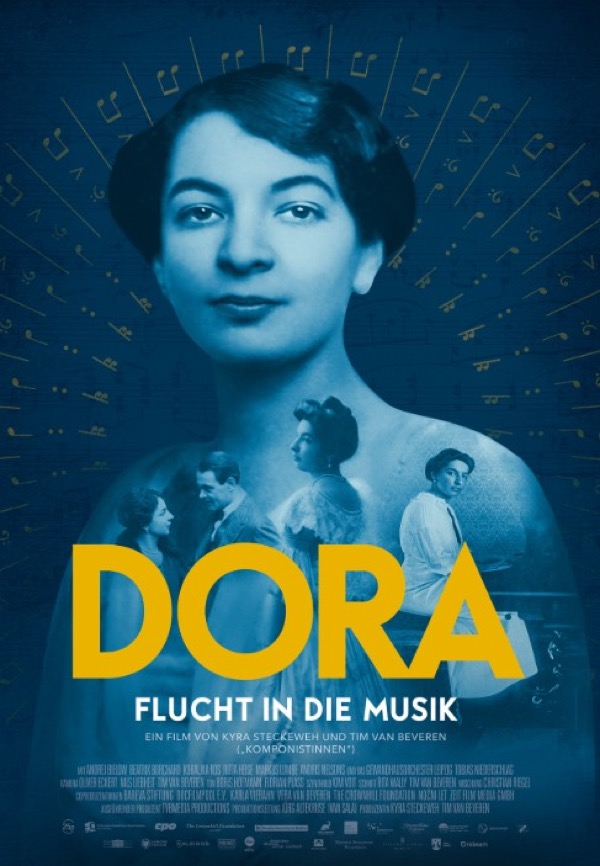
In 2022, filmmaker Tim van Beveren and pianist Kyra Steckeweh released a documentary about composer Dora Pejačević called DORA – Flucht in die Musik (or, in English, Dora – Escape Into Music). It’s now widely available through Amazon and other
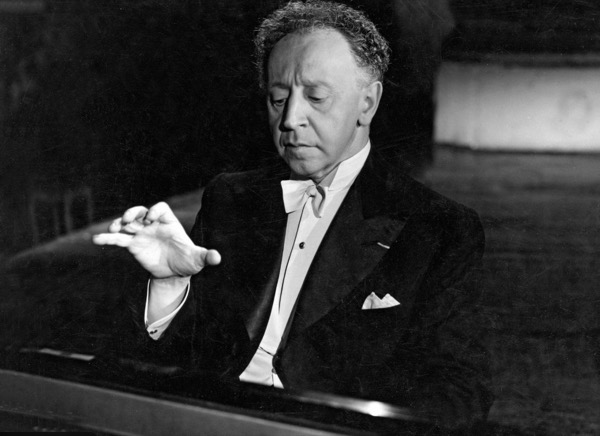
The twentieth century was the first century in which pianists’ careers intersected with mass media. Perhaps as a result, greatness and influence during this period are inseparable from pianists’ public images. Therefore, this is not a ranking of pianists by
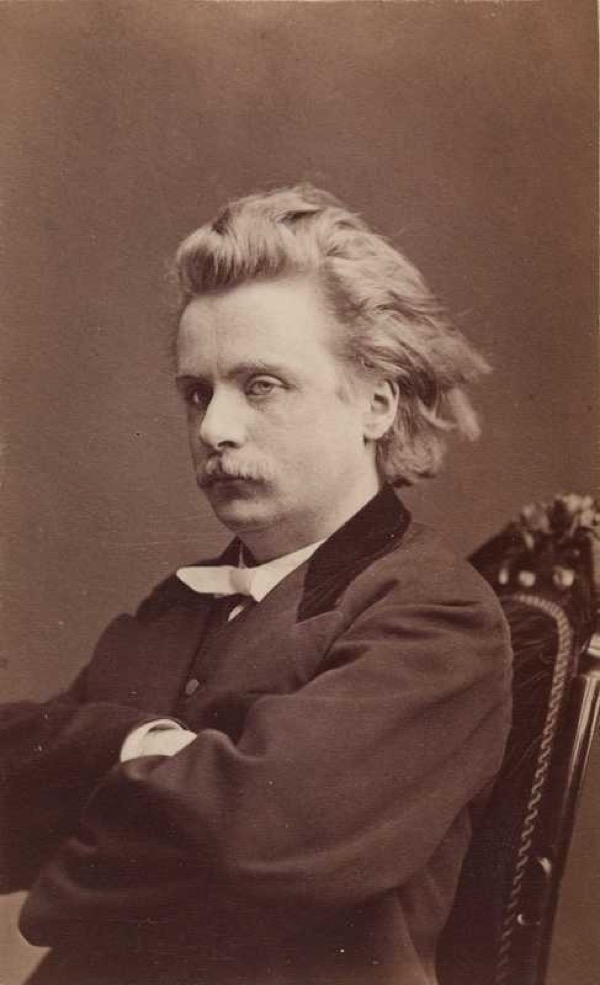
Have you ever heard of Sigurd Jorsalfar, one of the most renowned kings in Norwegian history? He was the first European king to lead a crusade, and he was part of the last relatively peaceful reign in Norway in the

Sports fans wear the shirts of their idols, and classical music has never entirely escaped the cult of personality either. Few classical musicians in modern times, with the possible exception of Liberace, have embraced celebrity quite as enthusiastically as Lang
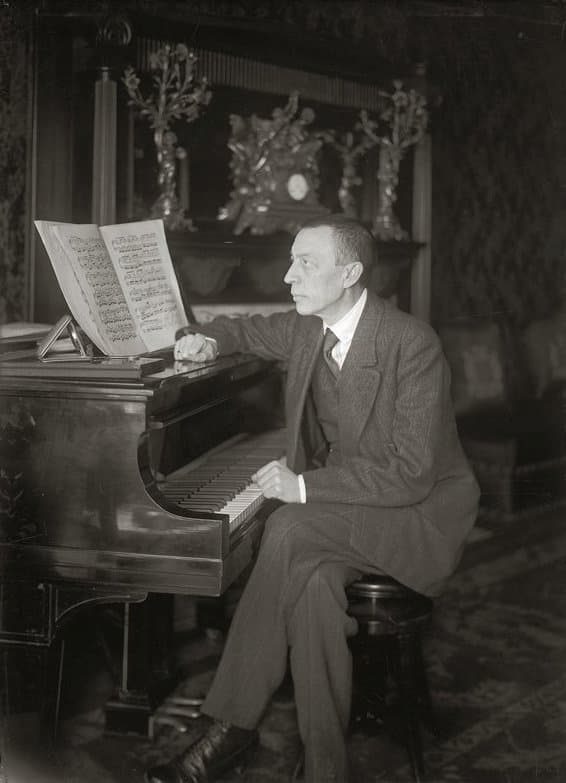
Few works in the piano repertoire have achieved the YouTube popularity of Rachmaninoff’s Second Piano Concerto. What’s striking about the concerto’s YouTube dominance isn’t just the raw view counts; it’s also which performances are generating them. Alongside historic audio of
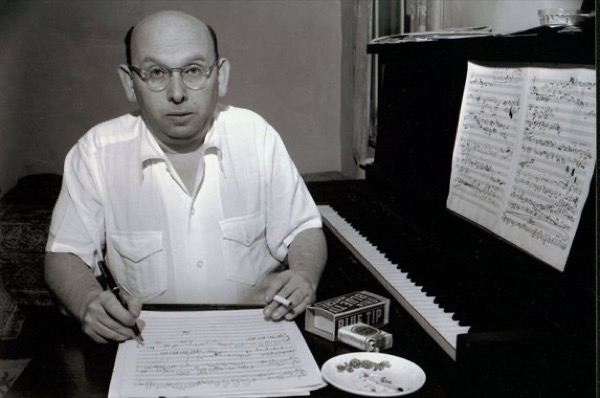
During the twentieth century, the composition of classical music became an unexpected but vital means of political resistance. As fascist and totalitarian regimes spread across Europe, composers faced censorship, persecution, exile, and, in some cases, death. But rather than retreating