
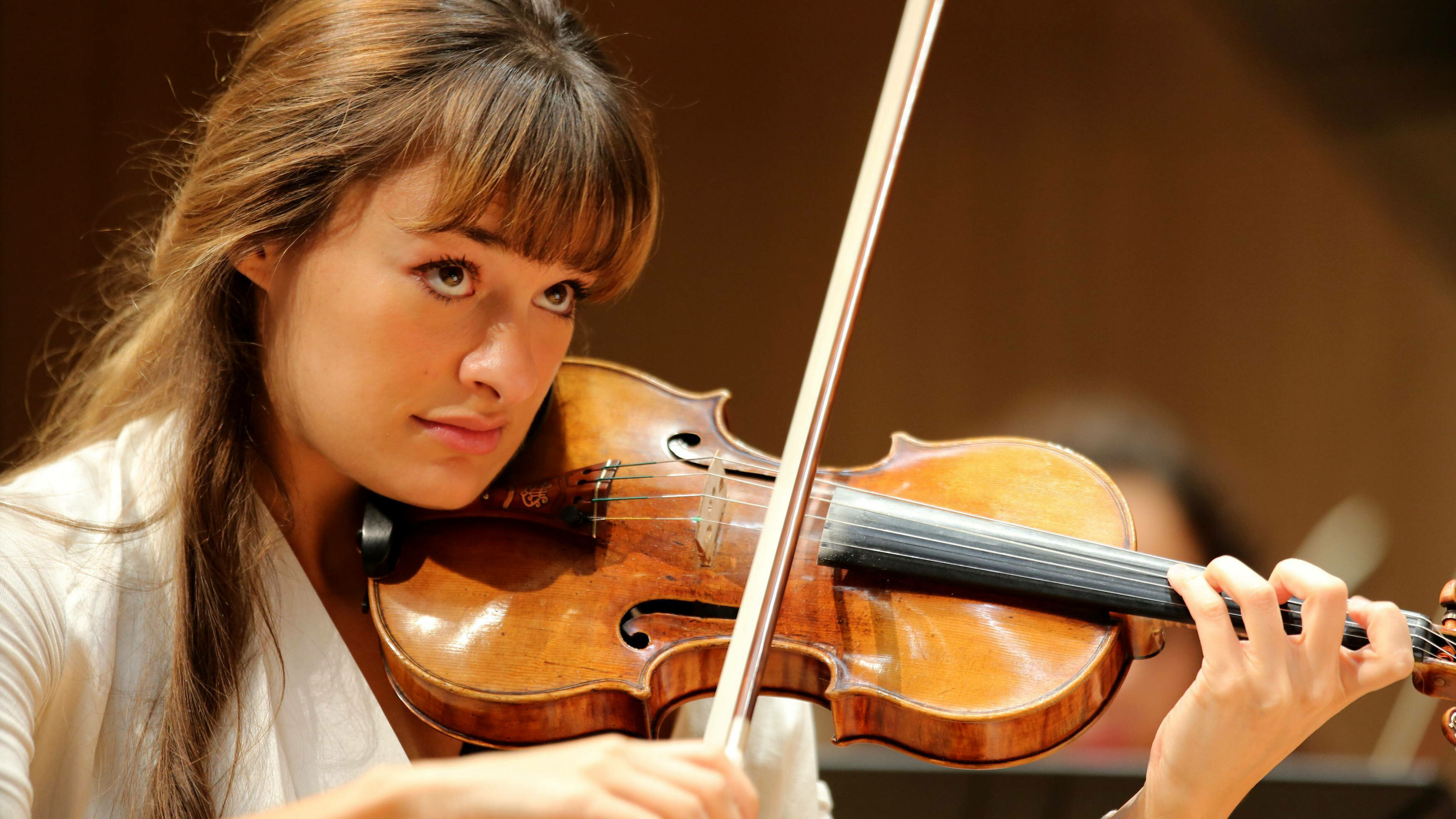
Many people, who are not “in the know” – and even some who are! – regard classical music as elitist and its practitioners as either formal and old-fashioned or pretentious so-and-so’s who have set themselves up as demi-gods, garnering praise
Opinion
What is music? And what is noise? These questions have always been lingering in my mind – without any absolute solution. As one of our contributors, Rob, eloquently discussed, there is no consensual agreement on a singular definition of music.
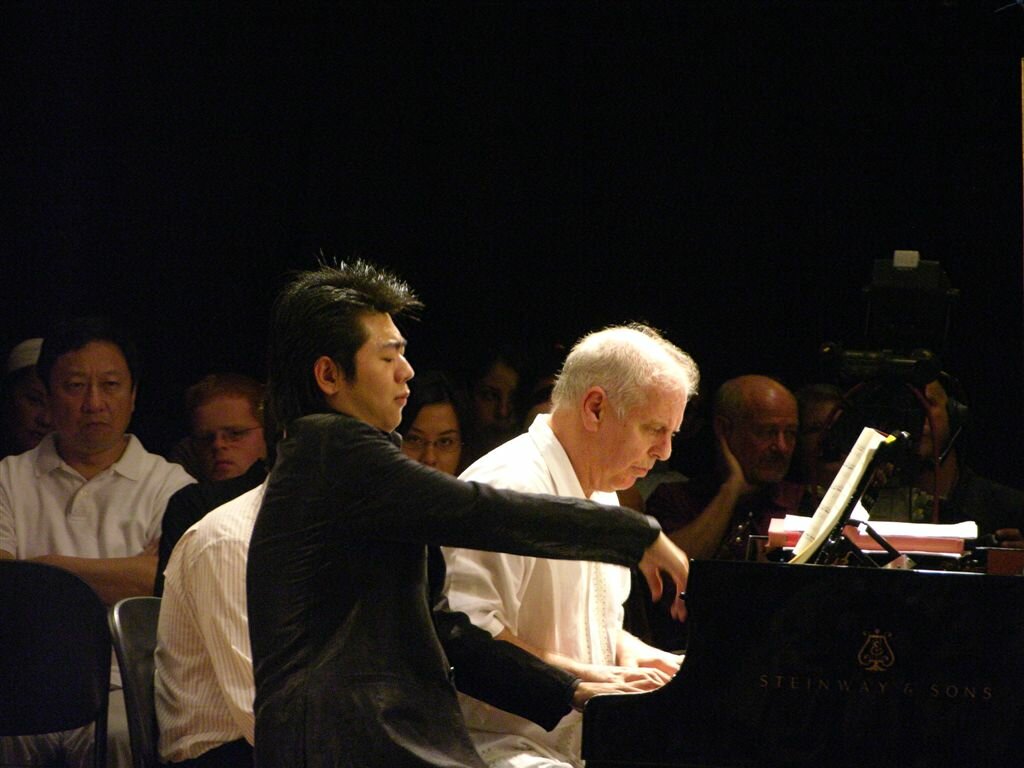
Most students probably expect their teacher to be able to play anything, and indeed the best teachers will have a comprehensive repertoire coupled with extensive knowledge. One need not have played all the Beethoven Piano Sonatas or Chopin’s Etudes in
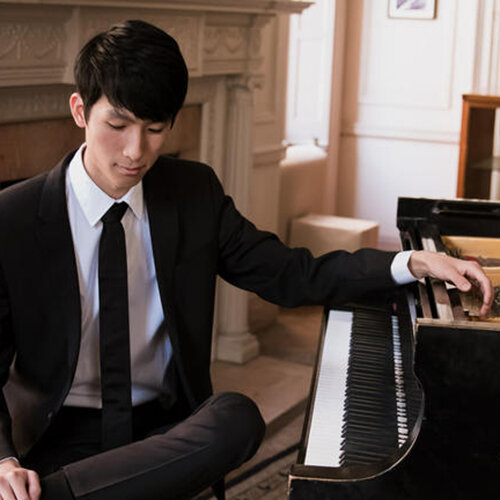
The 16th edition of the Tchaikovsky International Competition has finished (and not without controversy, but that’s another story….) and another crop of prize winners have been crowned and launched onto the international music scene. French pianist Alexandre Kantorow was awarded
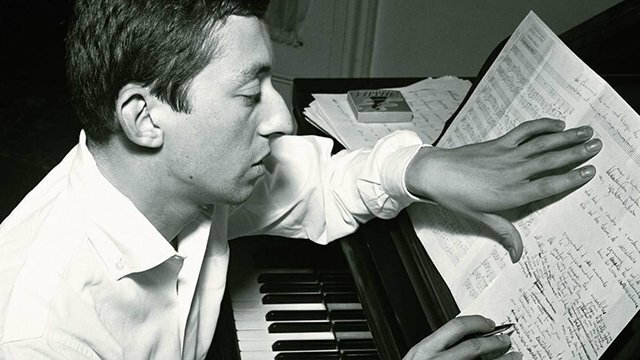
“Good artists copy; great artists steal.” The more I compose and create, the more I agree with this well-known Picasso quote—or Stravinsky for the same matter, as the ambiguity on the ownership persists. Actually, thanks to Cage and his writings,
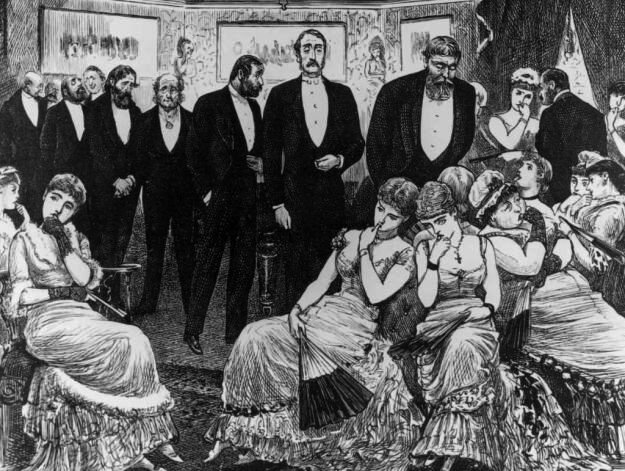
Classical music has an image problem. Depending on where you hail from in the western world, society as a generalised group will probably have a fairly stark concept of this artistic medium we all hold dear.
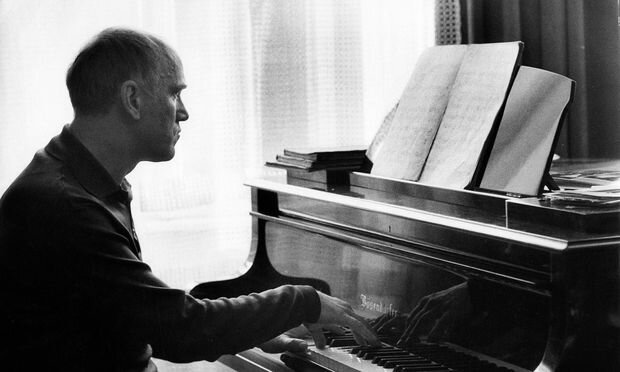
Piano playing shouldn’t be a competitive activity, yet players are regularly pitted against one another in international music competitions. Alongside this is an ongoing argument about what are the hardest pieces in the pianist’s repertoire.
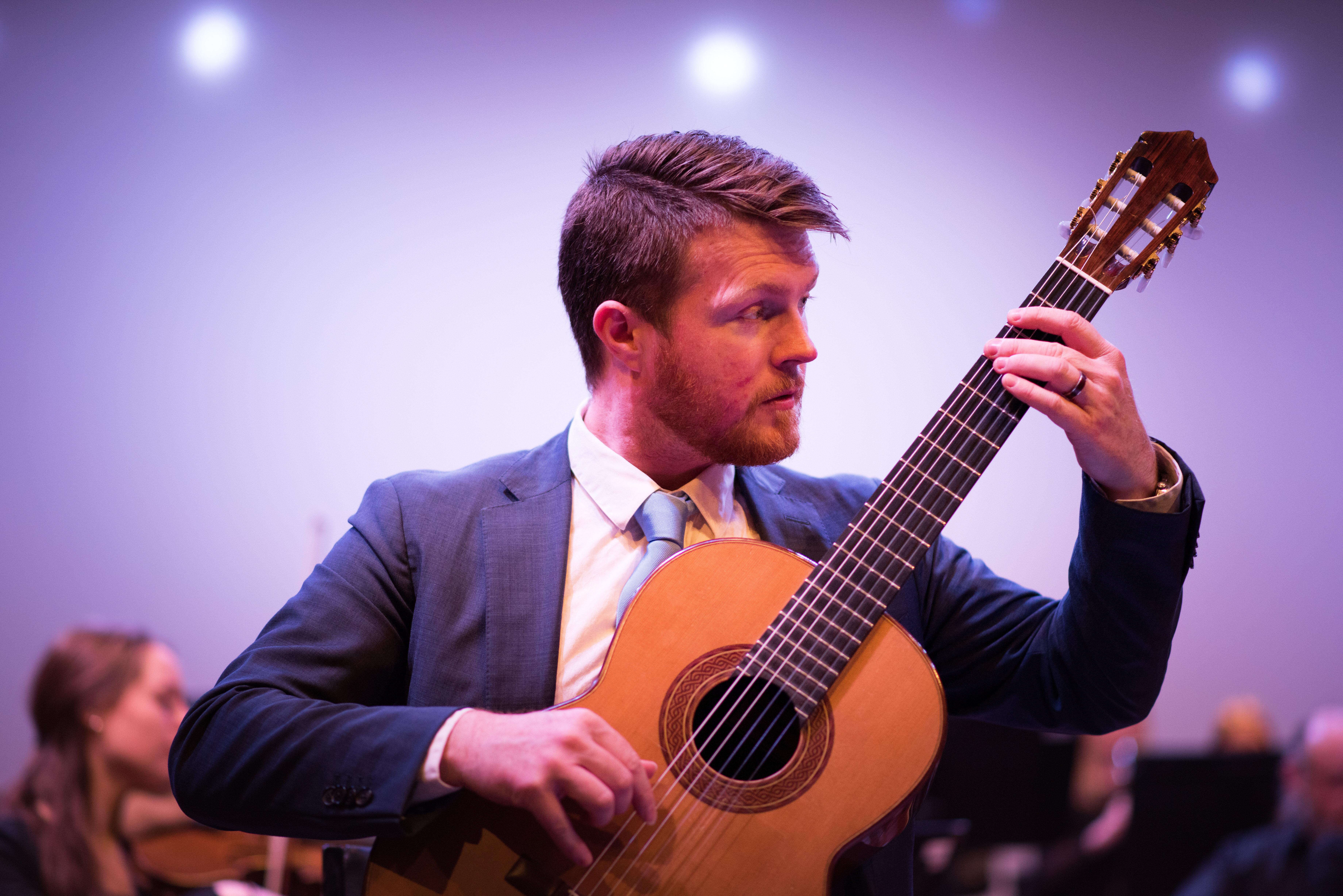
The key point raised in part-one of this article for musicians wanting to make it in the music worlds is to never give up. Many other salient points can be added to your list of requirements to maintain a lifelong