Domenico Scarlatti, one of the most prominent composers of the Baroque era, forged a uniquely productive partnership with his patron, Barbara of Portugal.
Their decades-long relationship allowed Scarlatti the creative freedom to compose some of his most innovative and expressive keyboard works.
Today we’re looking at the story of Barbara of Portugal and what we know about her remarkable relationship with Domenico Scarlatti.
Barbara of Portugal’s Family Background
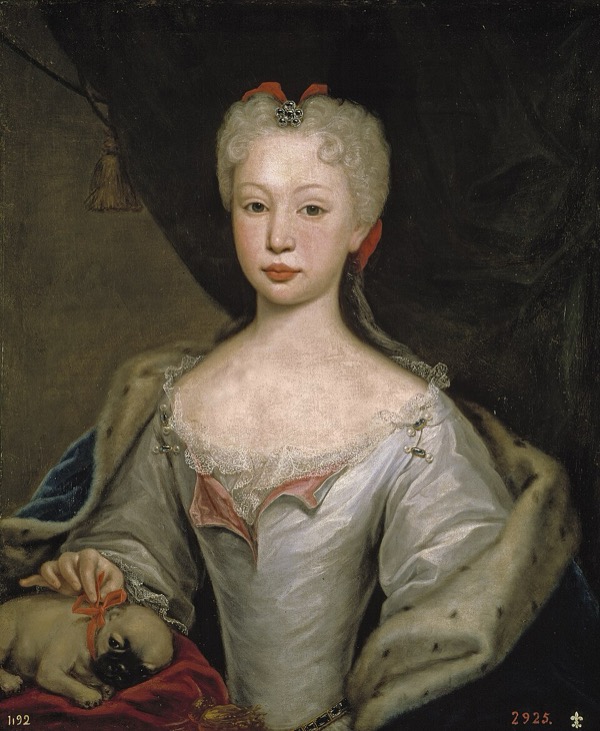
Barbara of Portugal
Barbara of Portugal was born in December 1711 to King John V of Portugal and Archduchess Maria Anna of Austria. Through her mother, she was related to both the future Empress Maria Theresa and Queen Marie Antoinette.
Her birth was a relief, as John and Maria Anna’s marriage had been childless for four years.
Maria Anna would go on to have five other children, including a male heir, but until he arrived, Barbara was the presumptive heir to the Portuguese throne.
Barbara was well educated as a child and learned to speak Portuguese, French, German, and Italian. She loved dancing (although she had asthma), but her great love was music.
Barbara of Portugal Meets Domenico Scarlatti
When she was nine years old, she began studying harpsichord with Italian composer Domenico Scarlatti. She was his only pupil.
She became adept at the keyboard, singing, and even composing. (Unfortunately, her works have been lost.)
Scarlatti’s Sonata, K. 141
Barbara of Portugal’s Marriage and the “Exchange of the Princesses”
In 1725, when she was fourteen, she became one of the finalists for marriage to Louis XV of France.
However, she was ultimately passed over in favour of another princess because she wasn’t yet old enough to bear a child safely.
Instead, in 1729, she married the future Ferdinand VI of Spain, whose half-sister Mariana Victoria had married her brother.
These two marriages became known as the Exchange of the Princesses, cementing diplomatic ties between Spain and Portugal.
As part of their marriage ceremony, the princesses crossed the Caia River, the border between Spain and Portugal, on an elaborate pavilion constructed across the water.
After her marriage, Barbara moved to the Spanish court. Momentously for music history, she brought Domenico Scarlatti with her.
Life at the Spanish Court
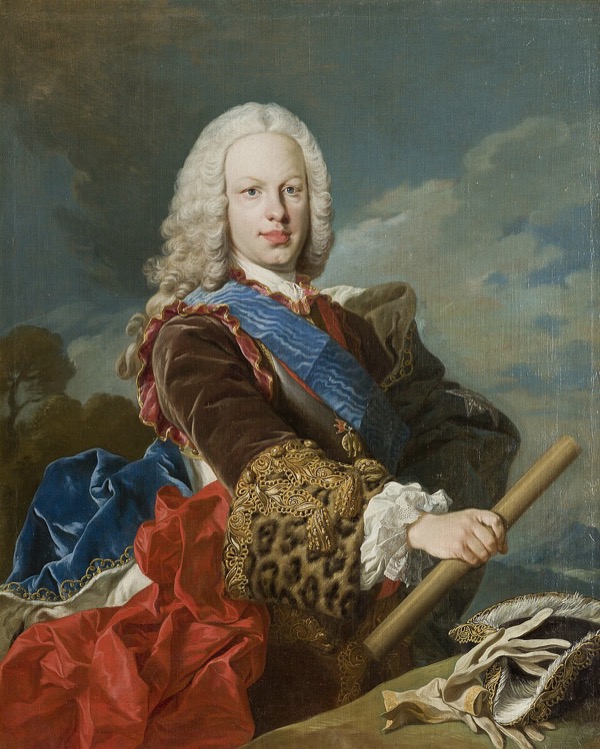
Ferdinand VI of Spain
The Exchange of the Princesses failed to heal rifts between Spain and Portugal, and Barbara had married into a situation that was complex, both politically and personally.
Ferdinand’s imperious stepmother Elisabeth Farnese favoured her own biological children over her husband’s.
To make matters worse, Ferdinand’s father Philip V suffered from severe mental health issues that impacted his ability to carry out his royal duties.
When Philip’s health became especially bad in the early 1730s, Elisabeth became the de facto ruler.
Between 1733 and 1737, Barbara and Ferdinand were kept under effective house arrest, constantly spied on by agents working for Elisabeth.
In 1733, during their confinement, Barbara gave birth to a stillborn son. This son would be their only child.
Trapped in their own home, the couple bonded over their shared love of music. Both enjoyed opera; in fact, Ferdinand kept the great castrato Farinelli on the palace payroll.
Like his father Philip, Ferdinand struggled with mental health issues, but he often found relief listening to music.
Scarlatti’s Sonata, K. 175
Ferdinand Ascends to the Throne
Ferdinand’s father, Philip, died in 1746, and that summer Ferdinand ascended the throne. He began his reign by stripping Elisabeth of her power. Meanwhile, Barbara worked to win over Elisabeth’s allies. In the end, Elisabeth was banished from court entirely.
Barbara also became involved in governing, albeit quietly. She wasn’t as outwardly ambitious as her stepmother-in-law, but she quickly grew indispensable to Ferdinand and his advisors.
She understood better than anyone else how to manage her melancholy husband’s moods, and how to time the delivery of information to ensure a particular outcome.
The British ambassador reported, “She can sway him as she pleases, with as much power, but much less difficulty, than ever the Dowager did with the late King, his father.”
Barbara’s Partnership with Scarlatti
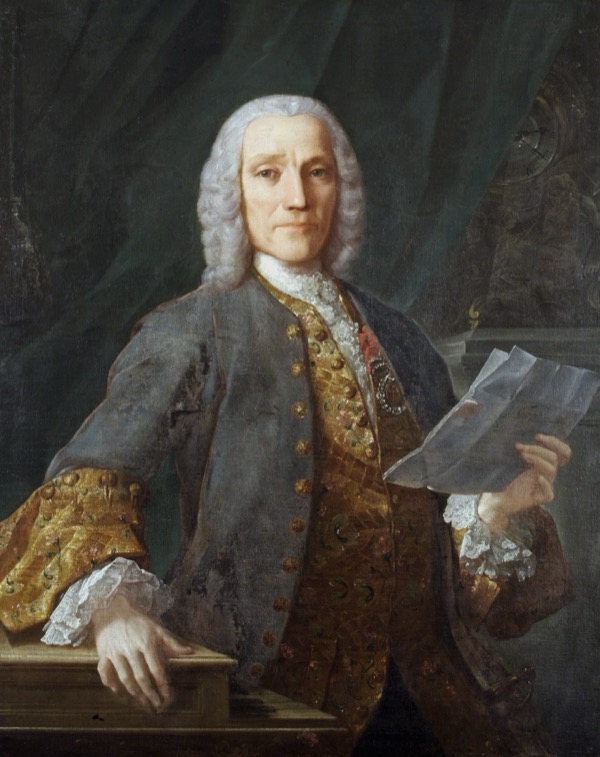
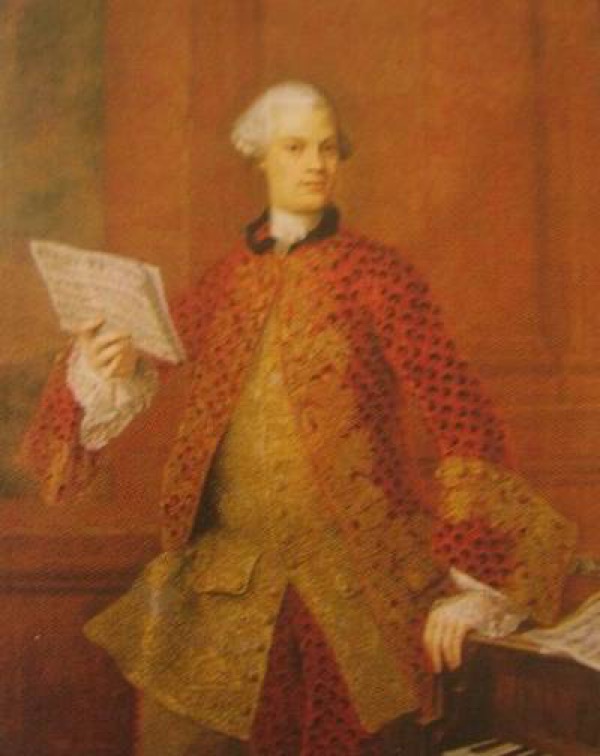
Domenico Scarlatti
Throughout her tumultuous adulthood, Barbara continued her partnership with Domenico Scarlatti.
Their relationship was unusually fruitful and long-lived: over three decades, they worked together in an arrangement of great mutual benefit. She paid his salary, and he wrote over five hundred keyboard sonatas for her.
Barbara’s Portuguese and Spanish ancestry found its way into his music. Many passages seem to reference Iberian folk music – and guitar playing specifically – employing repetitive notes, unusual dissonances, and the Phrygian mode common in folk tradition.
Scarlatti died in July 1757 at the age of 71. Barbara would follow him the following year.
Scarlatti’s Sonata, K. 455
The Deaths of Barbara and Ferdinand
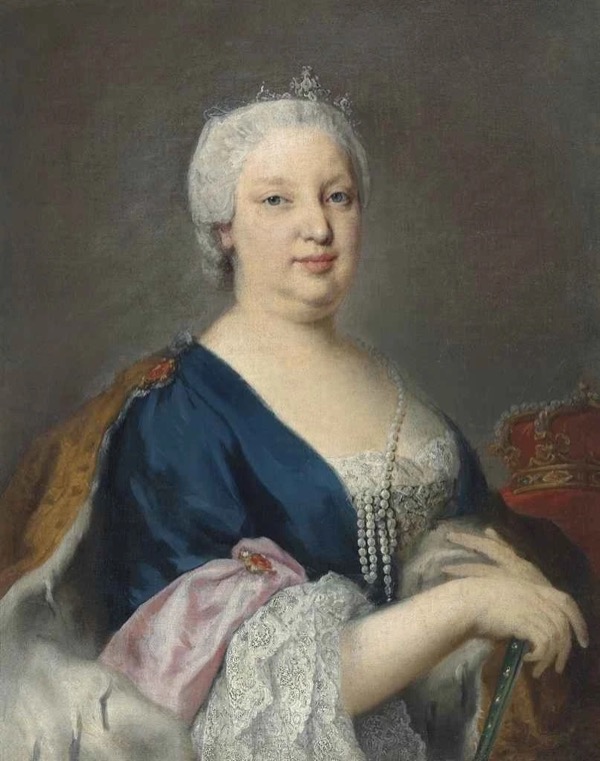
Barbara of Portugal
Although she didn’t suffer from depression as acutely as her husband or father-in-law, Barbara was also prone to melancholy. The loss of Scarlatti, her lifelong musical partner, must have been devastating.
Her asthma also worsened as she grew older, and she struggled with her weight and other chronic health troubles. She died in August 1758.
Ferdinand was devastated by her death. His mental health, never good, unravelled completely.
Over the following months, he refused to change clothes or shave, wandering around palace grounds in his sleeping robes.
He died just a year after his wife, in August 1759.
In the years since, political alliances have come and gone. Despite all of the intrigue that surrounded them, the most enduring legacy of Ferdinand and Barbara’s court turned out to be artistic – and in particular, the 550-plus keyboard sonatas by Scarlatti that are still widely celebrated and played today, nearly three centuries later.
For more of the best in classical music, sign up for our E-Newsletter