In recent years, one of the most encouraging shifts in the classical music world has been a growing willingness to acknowledge its historical blind spots — and to actively work towards a more inclusive and diverse future.
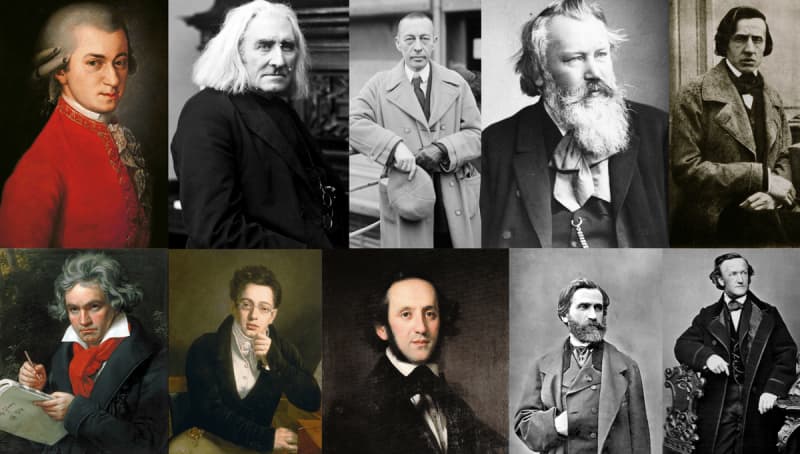
Great classical composers collage © classicalregister.com
The statistics, however, still tell a sobering story. The vast majority of works performed by orchestras remain those of white male composers. In the United Kingdom, only a small percentage of orchestral musicians come from Black, Asian, or other ethnic minority backgrounds. The reasons are not difficult to trace. For centuries, the classical canon has been shaped by exclusion, reinforcing a narrow definition of whose voices matter. The lack of visible role models — whether composers, conductors, or artistic directors — has inevitably discouraged aspiring musicians from underrepresented communities. On top of that, the path to becoming a professional classical musician often requires years of expensive training, creating yet another barrier for those from less privileged socioeconomic backgrounds.
Living composers, too, continue to struggle for space. In major institutions, works by composers of the past dominate programming, while music by living creators accounts for less than a quarter of performances. Financial caution plays its part. Established repertoire comes without commission fees and carries lower rehearsal risks. Familiar names reassure audiences, and well-known works are far easier to market. In an industry under constant financial pressure, the temptation to rely on the “safe option” is understandable — but it inevitably slows artistic renewal.
Esther Abrami – ‘Transmission’ | Classic FM
That said, there are visible signs of change. Major labels have begun to highlight female artists and composers more deliberately. Deutsche Grammophon, for instance, has curated projects around Lili Boulanger as part of its broader Fragments series.
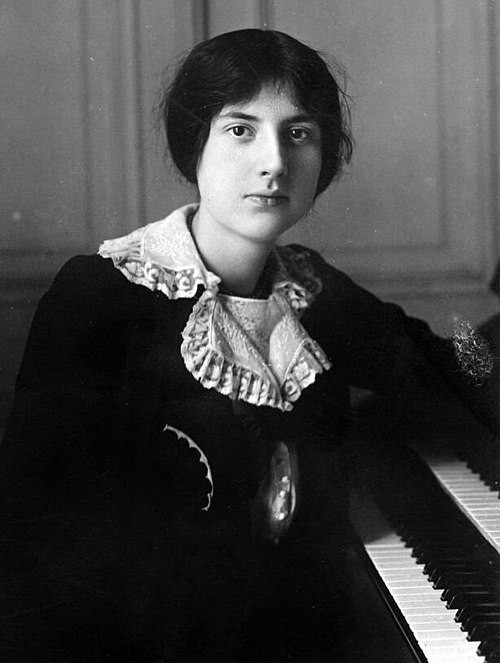
Henri Manuel: Lili Boulanger, 1913
Violinist Esther Abrami, a prominent artist with Sony Classical, has built much of her artistic identity around championing overlooked female composers while presenting a confident, contemporary image of the modern female musician. Like pianist Khatia Buniatishvili, she embodies a new generation of performers who embrace visibility and individuality without compromising artistic credibility. The emphasis remains on musicianship first — not image for its own sake.
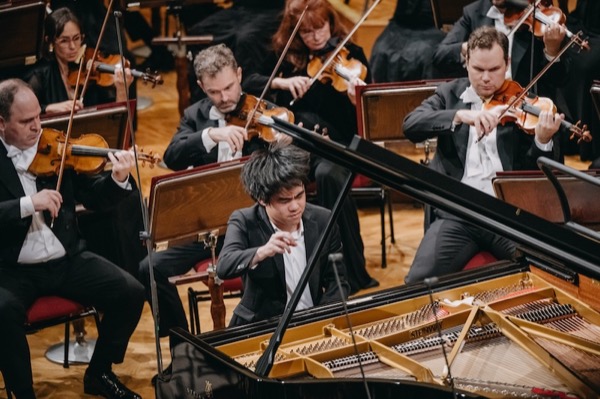
Khatia Buniatishvili performs Tchaikovsky’s Piano Concerto No.1 at the 2025 Verbier Festival
It is worth remembering that history is far from devoid of female composers. From Hildegard of Bingen to Clara Schumann, Fanny Mendelssohn, Tailleferre, and the Boulanger sisters, women have long been creating remarkable music. Yet their presence in mainstream programming has never matched that of their male counterparts.
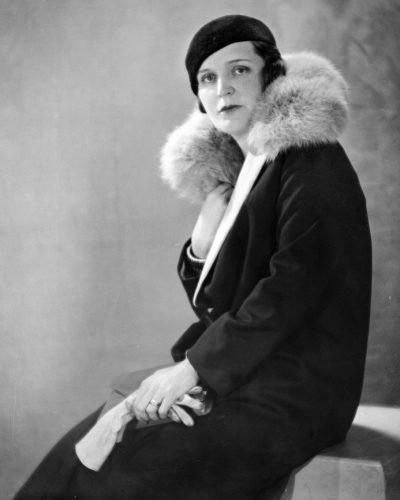
Germaine Tailleferre
While the list of recognised names is growing — with contemporary figures such as Unsuk Chin, Meredith Monk, Caroline Shaw, Dobrinka Tabakova and Hildur Guðnadóttir gaining international acclaim — progress remains gradual. Visibility, though, is powerful. The more diverse the stage, the more expansive the future of the art form becomes.
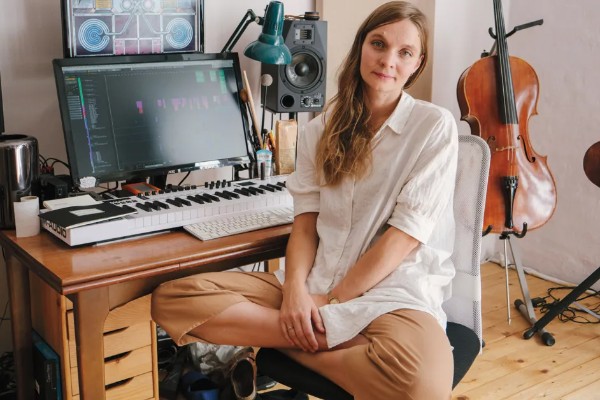
Hildur Guðnadóttir © billboard.com
And yet, perhaps it is worth playing devil’s advocate. In the effort to rebalance the field, we must be careful not to reduce art to a checklist. Diversity and fairness matter deeply, but at the heart of classical music — as with any art — must remain the art itself.
If classical music is to reflect the world it inhabits and speak to contemporary audiences rather than simply echo the past, broadening its repertoire is not a gesture of tokenism but a necessity. By embracing a fuller spectrum of voices and experiences, the art form does not lose its identity; it strengthens it. And in doing so, it ensures that its future is as rich and complex as its history.
For more of the best in classical music, sign up for our E-Newsletter