Professional choir Sonoro celebrates its 10th anniversary with the world premiere of Five Beacons of Light: A Cantata for the Sea – a sweeping new 50-minute choral work specially commissioned by award-winning British composer Cheryl Frances-Hoad, with a libretto by writer Di Sherlock. Taking place on 25th April in the inspiring setting of Worcester Cathedral, the concert aims to be as urgent as it is uplifting, featuring Youth Choral Worcs (a choir of young singers from five local schools), Sonoro, and the English Symphony Orchestra, conducted by Neil Ferris.
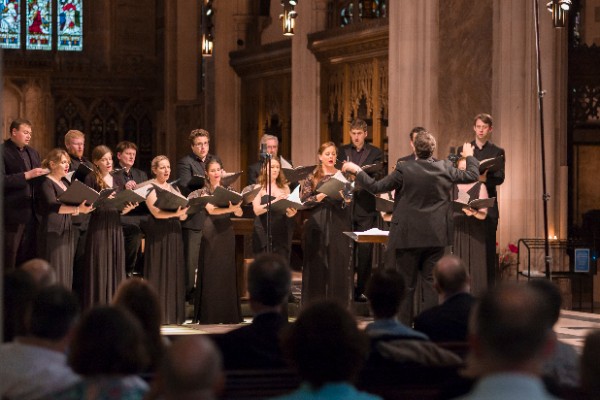
Sonoro in concert
The cantata draws inspiration from four iconic rock lighthouses: Bell Rock (Arbroath, Scotland), Bishop Rock (west of the Scilly Isles, Cornwall), Les Casquets (Alderney, Channel Islands), and Haulbowline (Carlingford Lough, Northern Ireland). These “impossible houses,” battered by wind and waves, are feats of vision and endurance. Built to protect sailors from the dangers of the sea, they stand – and continue to stand – as monuments to human ingenuity and resolve.
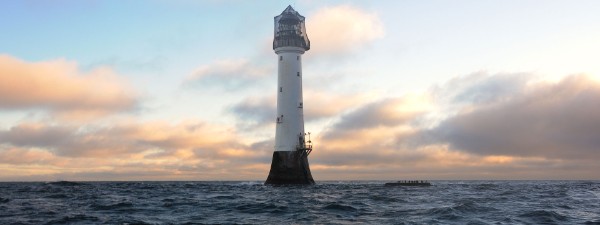
Bell Rock lighthouse
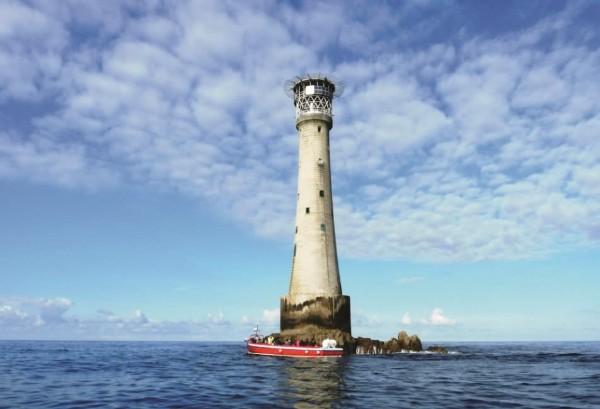
Bishop Rock lighthouse
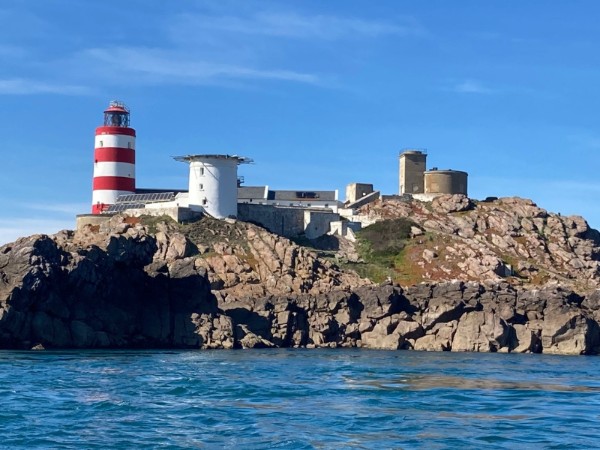
Les Casquets lighthouse
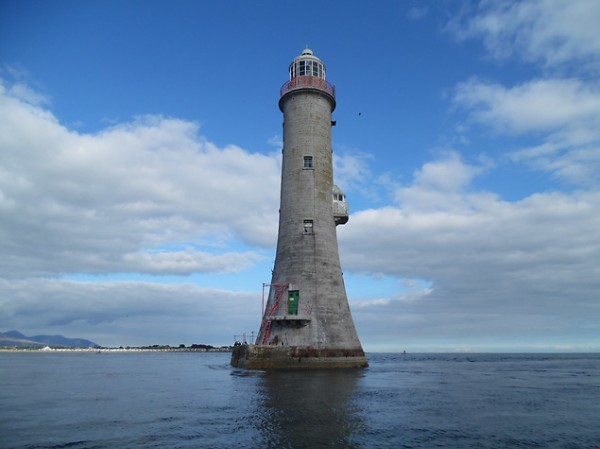
Haulbowline lighthouse
In Di Sherlock’s vivid libretto, their histories and associated stories come alive. Engineers, keepers, their families, local communities, and investors all rise from the salt spray, their vision, bravery, and resilience echoing to the present day.
At the heart of the work is the “fifth beacon”: the young people themselves. Through Di Sherlock’s imaginative and beautifully crafted words, these young performers will illuminate the work with their own voices and perspectives. The voices of these young singers serve as a new “beacon of light”, celebrating the human spirit as a creative force and guiding us towards a more responsible relationship with our oceans.
During her research, Sherlock asked scientists what might serve as today’s ‘beacons of light’. Their answer was unanimous: the next generation. With support from the Genesis Foundation, Sherlock and Frances-Hoad workshopped ideas with students at Albyn School in Aberdeen, exploring marine pollution, restoration, and climate action through music, movement, and spoken word.
Scored for a unique ensemble of string quintet, piano, percussion, Sonoro, and youth choir, the piece explores the poignant role reversal in our relationship with the natural world. It contrasts the historical purpose of these rock lighthouses – built to safeguard humanity from the perils of the sea – with the modern reality that the sea is now in danger from humanity due to man-made climate change.
Composer Cheryl Frances-Hoad says, ‘My inspiration for the music of Five Beacons of Light came from many places: Bach’s B Minor Mass, sea shanties, French salon music, Japanese traditional modes, rap, Gilbert and Sullivan, big pop ballads… and, of course, the myriad images and scenarios conjured by Di’s riveting libretto. There are so many vivid characters (both human and natural!) in this work that ideas flowed thick and fast, and I had a wonderful time exploring the full range of voices available to me in the combination of young voices and Sonoro. My music has been described as “equal parts humour and reverence”, and I can’t think of a better description of my approach to composing this piece: amidst the despair, there must always be hope. I hope my admiration for the young voices in this work (and in the wider world) is palpable in my music.’
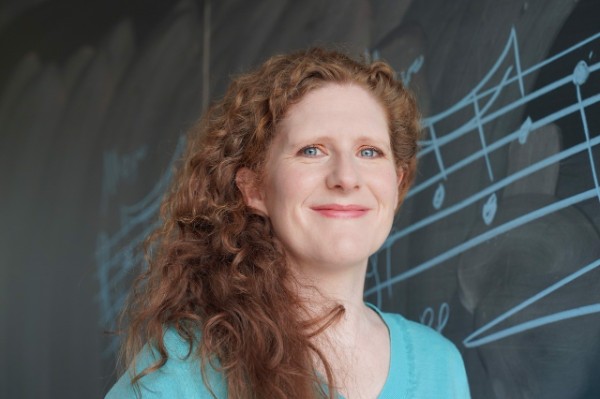
Cheryl Frances-Hoad
Cheryl Frances-Hoad: Love Song for Dusty (William Howard, piano)

Di Sherlock
Di Sherlock says, ‘I’d long been wanting to voice my concern about the state of our oceans, rivers, lakes in a way that did not deny the reality but, equally, did not feed into the doom and gloom that brings only despair and overwhelm. Ideas floated about, but they needed an anchor. Then I fell upon Tom Nancollas’ ‘Seashaken Houses’ and read all about rock lighthouses – referred to in past times as ‘Beacons of Light.’ The vision, courage, perseverance and sheer grit of the engineers, workmen, keepers, investors and corporations who made these ‘impossible Houses’ possible seemed to echo what is needed today as we face irrefutable climate change – not all of it man-made, but our contribution is significant. The rock lighthouses were built to save us from the peril of the sea. Today, rising sea levels still threaten lives and livelihoods. But, equally, the sea is in peril of us. And of course the two are connected.’
The structure of the cantata reflects its fundamental theme. Movements such as Hurakán!, Scream of the Anthropocene, and Great Wave Comin’ suggest turbulence and reckoning, while the recurring “Ballads” of each lighthouse anchor the work in story and place. It ends with the uplifting chorus One Earth. Closing with the words “We are light!”, Five Beacons of Light gestures towards shared responsibility and fragile hope.
Conductor Neil Ferris describes the piece as “beautifully judged in its imagination, its musical and expressive language, and its offer of hope.” For Sonoro, the commission embodies its dual commitment to artistic excellence and education outreach. Through its SING! outreach programme, the ensemble has long championed side-by-side performance and mentorship; this project reconfirms that ethos.
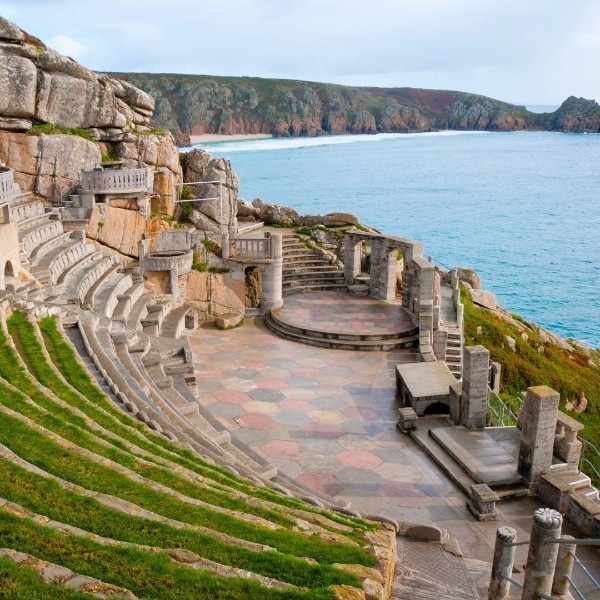
Minack Theatre
Following its premiere in Worcester, Five Beacons of Light travels to the dramatic cliffs of Cornwall for a performance with Cornwall Youth Choirs at the open-air Minack Theatre on 3 July 2026 – an atmospheric setting where sea and song will meet directly. Further UK performances are anticipated through 2026 and 2027.
Supported by the Bransford Trust, the Blyth Watson Charitable Trust and the Pamela Matthews Charitable Trust, the project is expected to reach hundreds of young people. For many, it will be their first experience performing alongside professional musicians in a major new work.
‘For the singers who give their amazing voices and the audiences who receive them, I hope the work will inspire a love for our waters and the creatures who live in them, allowing their voices not just to be heard but taken to heart.’ – Di Sherlock, librettist
For more of the best in classical music, sign up for our E-Newsletter