Born on 31 October 1980 in New York City, conductor Alondra de la Parra has lived a story of crossing borders, including geographic, cultural, and professional, while raising two sons in Berlin since 2019.
Her journey as a trailblazing conductor, cultural ambassador, and devoted mother is a testament to the power of embracing duality, balancing the demands of a global career with the quiet intimacies of family life.
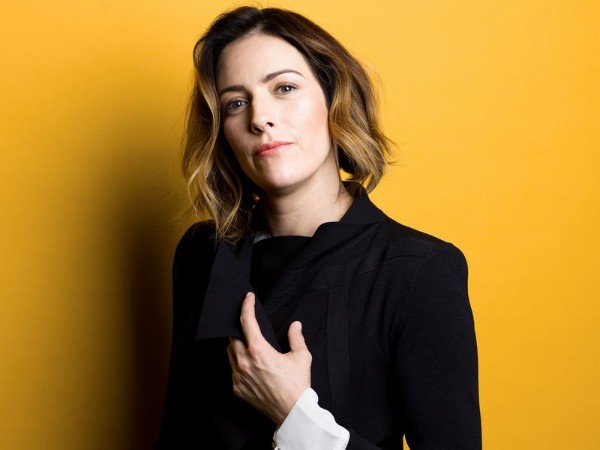
Alondra de la Parra
To commemorate her birthday, let’s explore her remarkable ability to harmonise the intensity of the podium with the tenderness of motherhood, challenging gendered expectations and inspiring a more inclusive world of classical music.
Alondra de la Parra conducts Bernstein: “Three Dance Episodes” from On the Town
First Woman, First Mexican
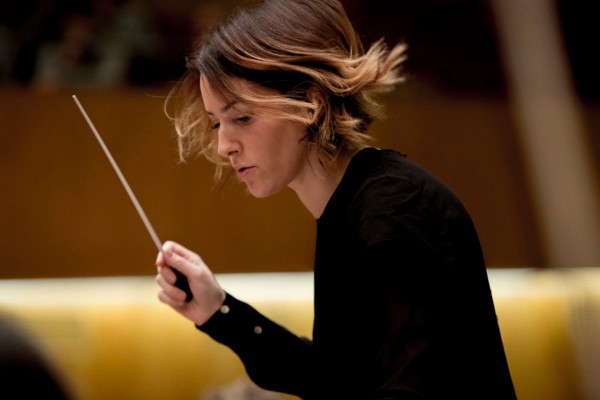
Alondra de la Parra © Felix Broede
Born in New York City, de la Parra grew up in Mexico City, where she started piano at seven and the cello at 13. Conducting quickly shaped her early years, and it fuelled a path leading to the Manhattan School of Music.
By 23, she founded the Philharmonic Orchestra of the Americas, a bold venture born from a Mexican Consulate request, which toured Mexico and released albums celebrating Latin composers.
Her story is one of seizing serendipity, turning a single concert into a platform for cultural exchange, despite the orchestra’s eventual financial pause in 2011. Her ascent as a conductor broke barriers, most notably in 2015 when she became the first woman and Mexican to serve as principal conductor of Australia’s Queensland Symphony Orchestra.
Alondra de la Parra conducts Moncayo: Huapango
Artistry Unbound
She infused programs with works by Mexican composers and championed diversity in a field where women remain outliers. “I conduct for the women of my Mexico,” she once said, a reflection of her teenage dream to defy scepticism about women on the podium.
Her presence, both charismatic and commanding, challenges the status quo, proving that leadership transcends gender. When faced with questions about “feminine” qualities in her conducting, she quips, “Every conductor has male and female qualities.”
Dismantling stereotypes with a blend of humour and insight, her philosophy underscores her work. Artistry is human, not gendered, a truth she embodies with every gesture.
Motherhood is the counterpoint to her professional crescendo. Raising two sons in Berlin, de la Parra navigates the relentless pace of international rehearsals and performances while tending to bedtime stories and childcare logistics. However, as she explains, “my sons ground me, their presence a reminder of why I create.”
Alondra de la Parra conducts Beethoven: Symphony No. 3 in E-flat Major, Op. 55 “Eroica”
Intertwined Melodies
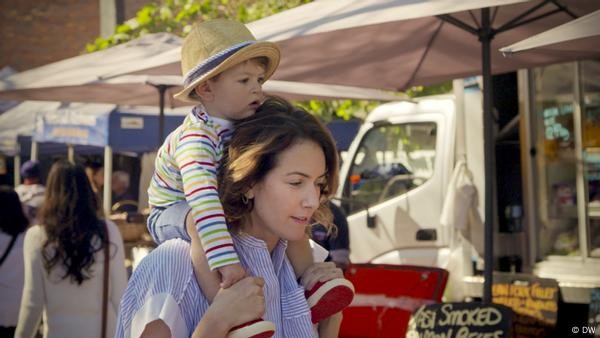
She steals moments of play between engagements, finding balance not by compartmentalizing but by letting her roles as mother and maestro enrich each other. This harmony is not without effort, as it requires the same precision she brings to the score.
This delicate dance of motherhood and conducting reveals a profound truth. De la Parra’s strength lies in her refusal to choose between her identities. In the high-stakes world of classical music, all too often, conductors are often expected to embody an almost monastic devotion to their craft.
She has spoken of the emotional weight of leaving her children for tours, yet she sees their presence as a wellspring of inspiration. “They remind me what it’s all for,” she once shared, a sentiment that underscores her belief that love and art are not competing forces but intertwined melodies.
Alondra de la Parra conducts Prokofiev: Symphony No. 1 in D Major, Op. 25 “Classical” (Finale)
Baton to Cradle
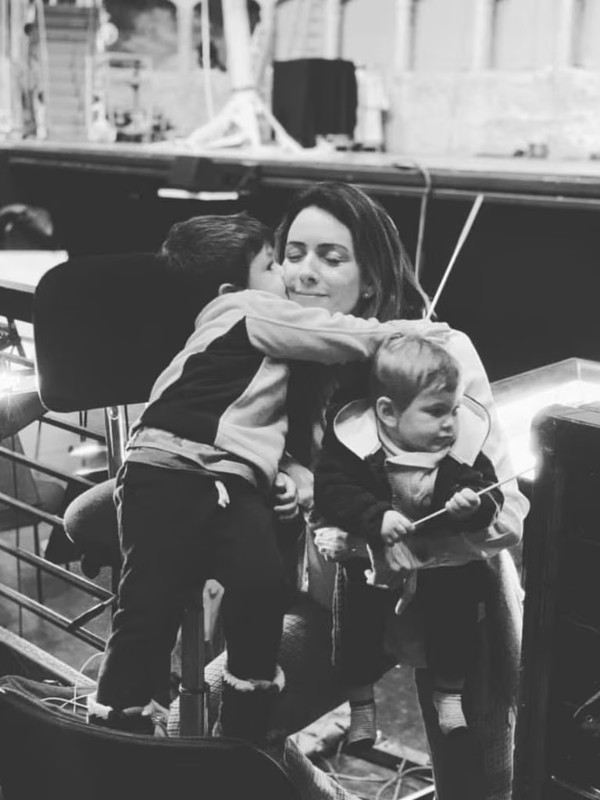
Alondra de la Parra and her sons
Beyond the podium, de la Parra’s mission is to make classical music a shared language. As host of Música Maestra on Deutsche Welle, she has interviewed global artists across over 60 episodes, peeling back the mystique of the genre with curiosity and warmth.
Whether exploring Beethoven’s emotional depth or spotlighting Latin composers, she invites audiences into music’s stories, rejecting its elite reputation. Her role as Mexico’s cultural ambassador amplifies this, as does her Impossible Orchestra, founded in 2020 to support women and children in Mexico.
Her educational efforts, like workshops in Harlem, reflect a commitment to nurturing young musicians, inspired by her own childhood recitals and a viral 2019 moment when she invited a six-year-old aspiring conductor to a professional concert. By refusing to choose between the baton and the cradle, de la Parra conducts a revolution, one that invites us all to find our own rhythm in the music of existence.
For more of the best in classical music, sign up for our E-Newsletter