
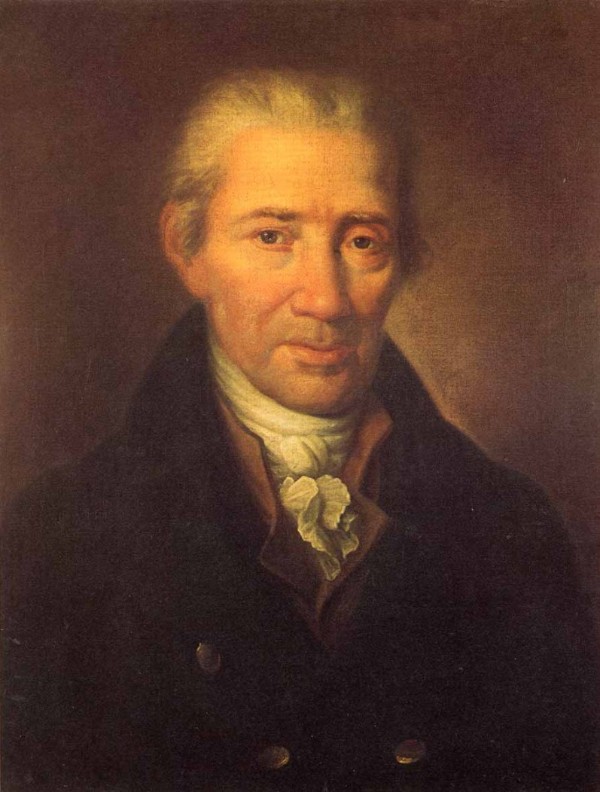
Ludwig van Beethoven is often remembered as a solitary genius: a composer who wrestled with fate, revolutionised music, and struggled through tinnitus, deafness, and depression to create some of the most influential works in the Western canon. But Beethoven didn’t
January, 2026
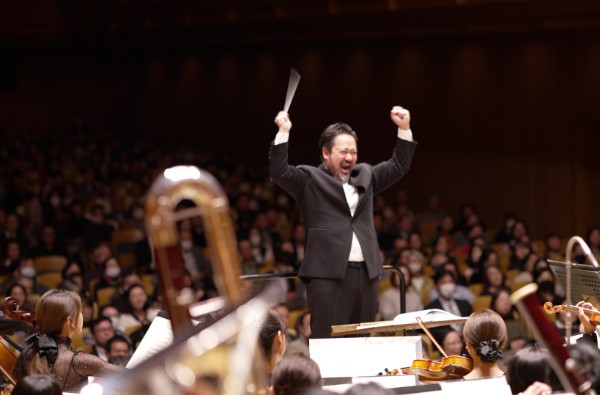
2025 was a year in which Chinese classical music found itself moving simultaneously outward and inward: expanding its international presence while confronting geopolitical, institutional, and structural realities at home. From orchestras touring abroad and Chinese musicians winning major international competitions,
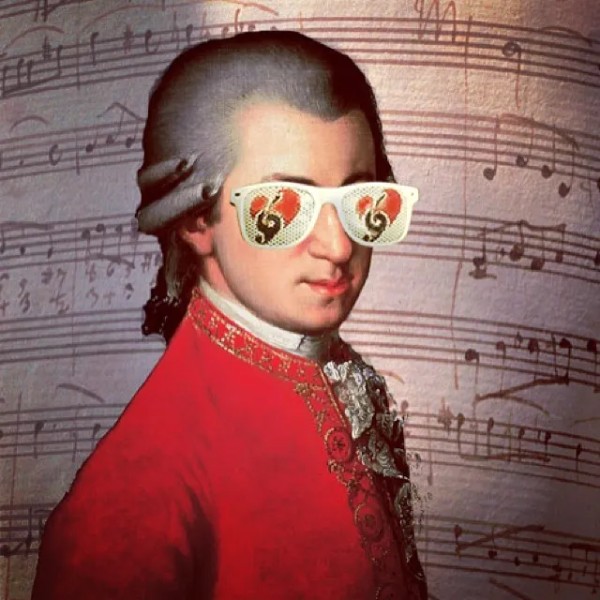
Wolfgang Amadeus Mozart is often introduced as a miracle. He was a divine child, and a celestial genius, like a marble statue with a powdered wig. But the moment you actually listen to his music, the statue starts to grin.
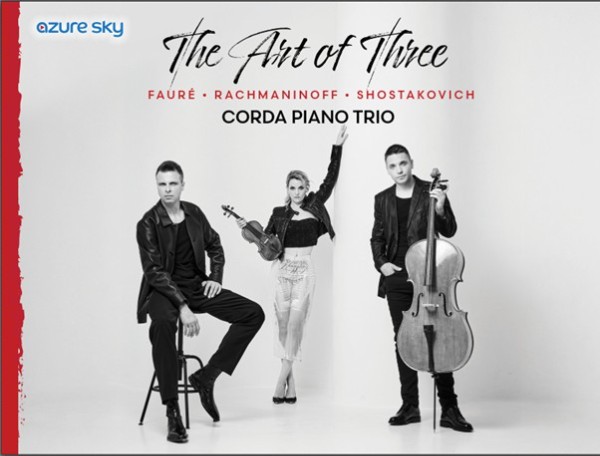
The piano trio is one of those basic good ideas: a violin and cello filled out with a piano creates a musical sound that covers a range of music that’s proved to be immensely satisfying. It’s one of the most


Franz Liszt, the 19th-century Hungarian composer and virtuoso pianist, is celebrated for his dazzling piano compositions, which combine technical brilliance, emotional depth, and innovative forms. His works have ever since captivated audiences with their virtuosic demands and expressive range. For
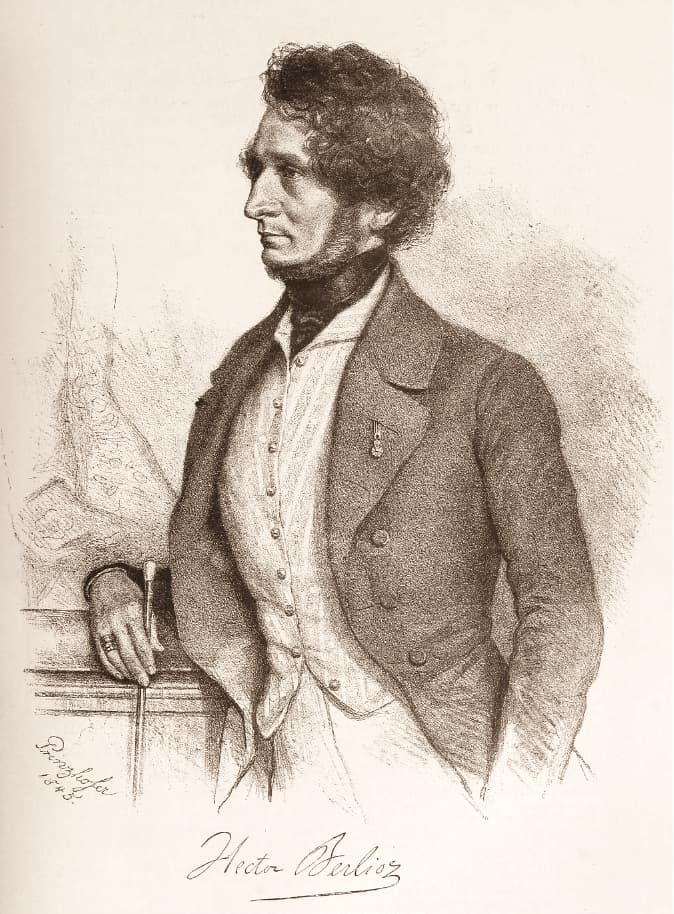
Sometimes listeners claim that music – and classical music in particular – is above politics. Unfortunately for these people, history proves them wrong. Many of the greatest composers in classical music history were deeply engaged with politics, and their political
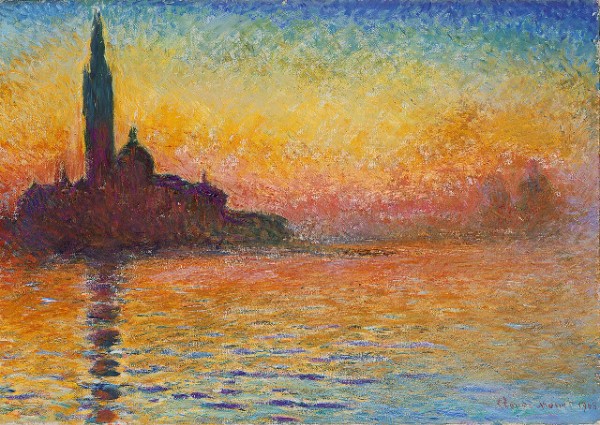
As the days draw in, twilight becomes a special time of the day – the light is going, and the dark is coming, but we’re between the two times. The sky may flame with colour, and the trees around us