
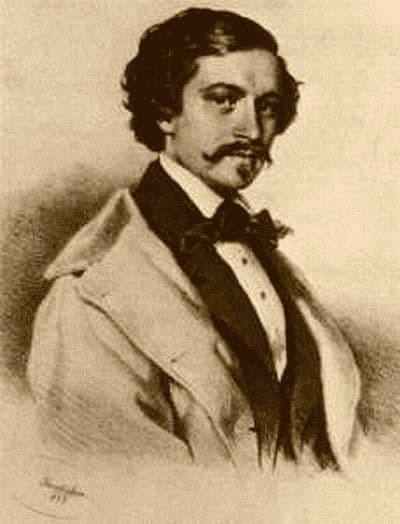
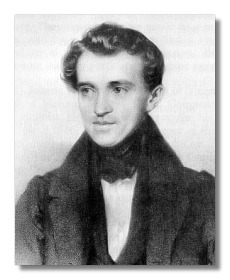
Johann Strauss Senior was a very wealthy man indeed. Operating under the assumption that “there is a sucker born every minute,” he filled the dance halls of Europe and performed in front of royalty, even playing for Queen Victoria’s coronation.
Johann Strauss
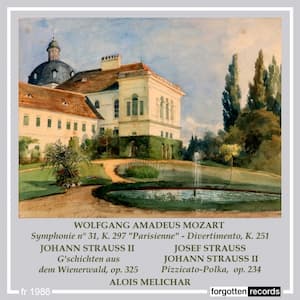
Situated just north-west of Vienna, the Wienerwald, the eastern foothills of the Alps were an enticing area for Vienna’s composers – we have many images of composers such as Beethoven and Schubert walking through the Vienna Woods and we have
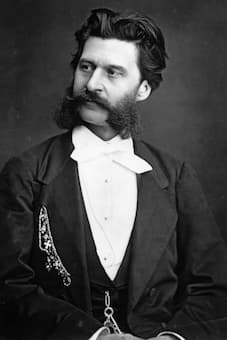
The American showman and businessman P.T. Barnum famously quipped, “Every crowd has a silver lining.” As the founder of the Barnum & Bailey Circus, an entertainment institution that ran for almost 150 years, he certainly knew how to draw in
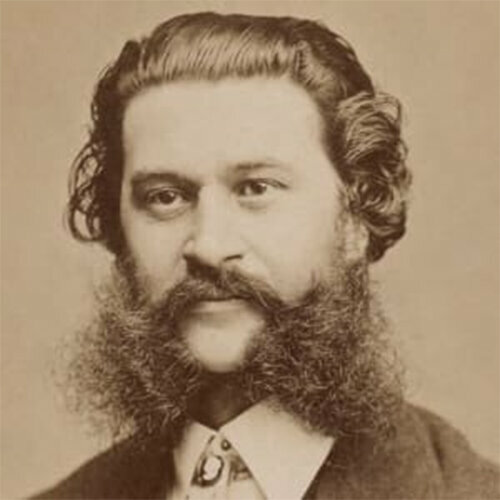
The extraordinary dynasty of dance music composers and musicians named Strauss originated in the Hungarian town of Buda. Around 1750, Grandfather Johann moved to Vienna, and his son Franz Borgias operated a small tavern in the suburb of Leopoldstadt. That
Johann Strauss II, or Junior, or the younger The Waltz King, (not related to Richard), composed over 400 of the world’s most beloved waltzes, polkas, quadrilles, dance music and operettas. These include the perennial favorites: An der Schonen Blauen Donau
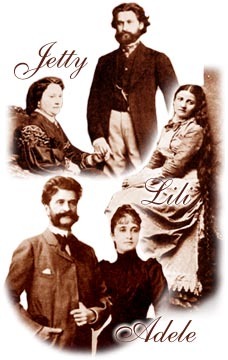
Johann Strauss II Eine Nacht in Venedig (A Night in Venice) (1883) Kaiser Walzer (Emperor Waltz), Op. 437 (1889) Aufs Korn, Op. 478 (1898) Psychoanalytical models suggest that a human being, emotionally responding to the loss of a loved one,
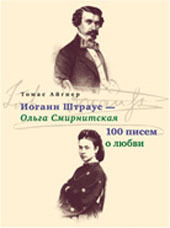
Johann Strauss II Abschied von St. Petersburg (1858) An der schonen, blauen Donau (The Beautiful Blue Danube), Op. 314 (1867) Die Fledermaus (1874) I am not entirely sure who coined the saying “like father, like son”, but they certainly could
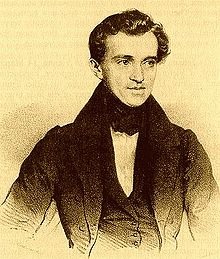
Johann Strauss Täuberlin-Walzer, Op. 1 Kettenbrücken-Walzer, Op. 4 “Homage to Queen Victoria of Great Britain”, Op. 103 (1838) “Radetzky March”, Op. 228 (1848) One would be hard pressed not to agree with the assessment of a contemporary music critic, who