
English choral music is one of the crowning glories of the English vocal tradition. From his earliest days, Edward Elgar (1857–1934) was associated with church music, albeit Roman Catholic, rather than Anglican church music. His father, William, was organist at
Elgar
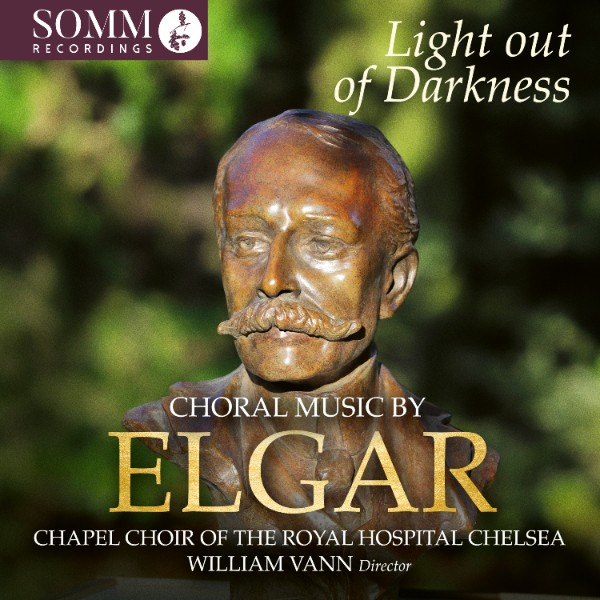
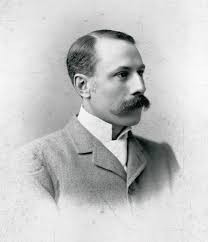
At the ripe old age of twenty-one, Edward Elgar (1857-1934) was still selling musical wares at his father’s shop in the High Street of Worcester. And in his spare time, he was engaged in all manners of local amateur music-making.
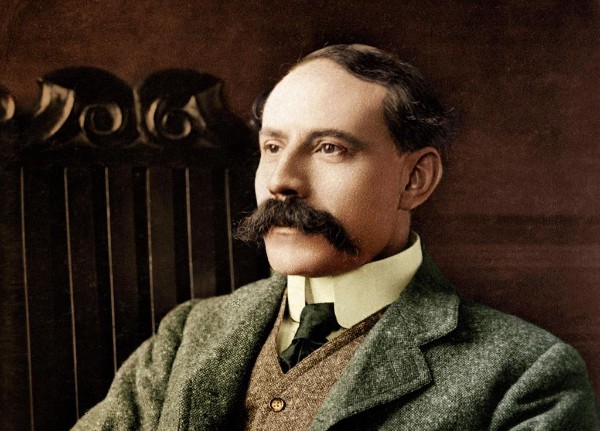
I can’t remember when I first heard this piece, but it was almost certainly on BBC Radio Three’s Breakfast programme, and, as is often the way, the piece caught my attention and I decided to find out more about it.
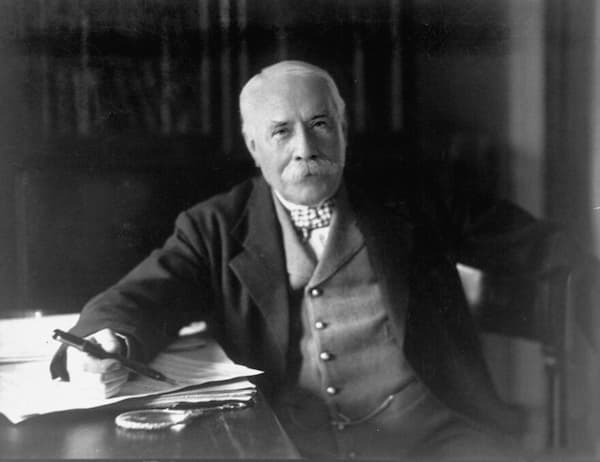
As a musician and composer, Edward Elgar was largely self-taught, learning through experimentation and playing in local ensembles. His music is characterised by its emotional depth, rich orchestration, and a sense of nostalgia that captures a time when the British
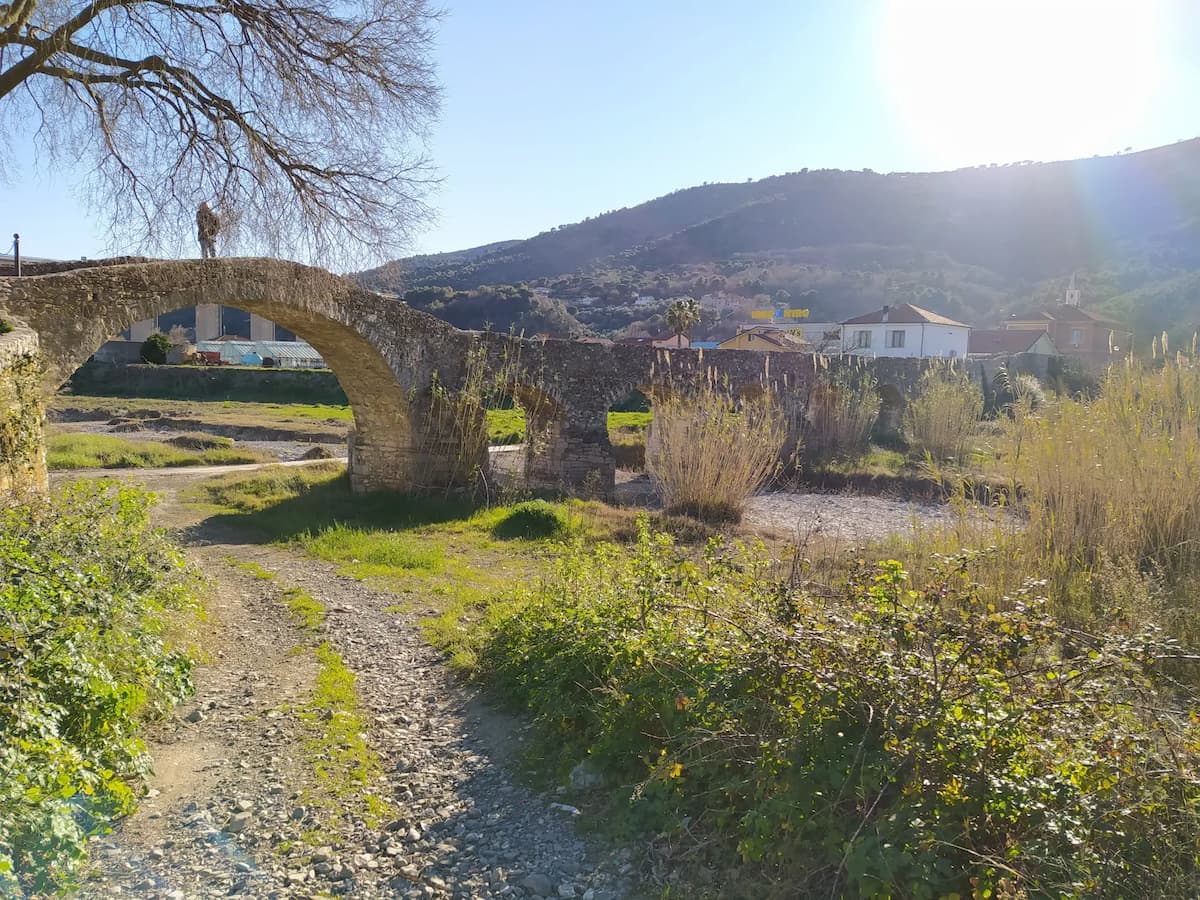
After the death of his mother in September 1902 and frustration at the lack of progress on his Second Symphony, Edward Elgar and his wife decamped from their small, rented cottage near Malvern and retreated to the Italian Riviera in
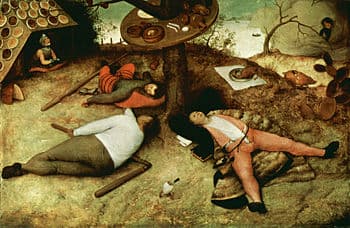
Edward Elgar (1857–1934) was commissioned by the Royal Philharmonic Society for a work and in 1901 he created Cockaigne, subtitled, ‘In London Town’. The concept of Cockaigne comes from medieval myth, where it is the land of good food, comfort,
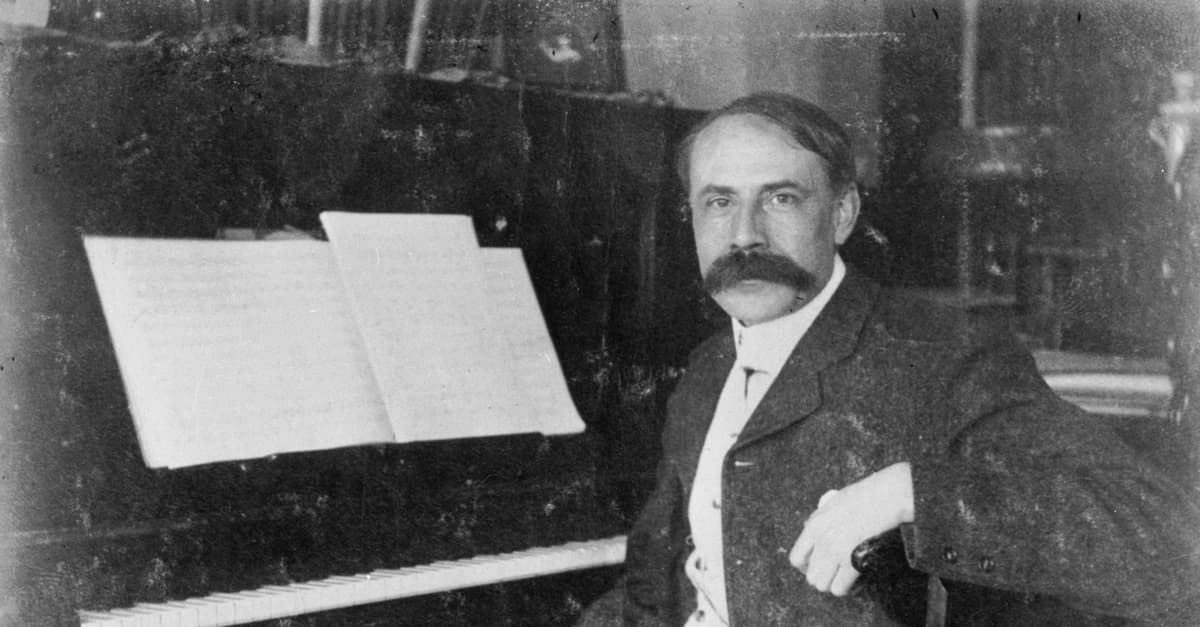
Sir Edward William Elgar (1857-1934) made his reputation with several large-scale orchestral works such as the ever-popular Enigma Variations, the Pomp and Circumstances Marches, delightful Concertos for violin and cello, and two Symphonies. On the other hand, Elgar made his
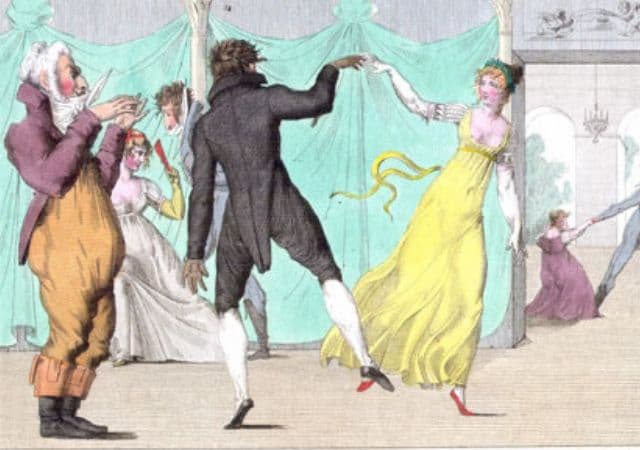
English composer Edward Elgar (1857–1934) wrote his Three Characteristic Pieces in 1899, revising an earlier Suite in D. The first movement is the very Polish mazurka, a work in triple meter with a quick tempo. The mazurka was a stylized