During Frédéric Chopin’s lifetime, Poland was partitioned among Russia, Prussia, and Austria. Living in exile in Paris, Chopin used the Polonaise to express his longing for his homeland. But they are more than just musical compositions; they are cultural artefacts.
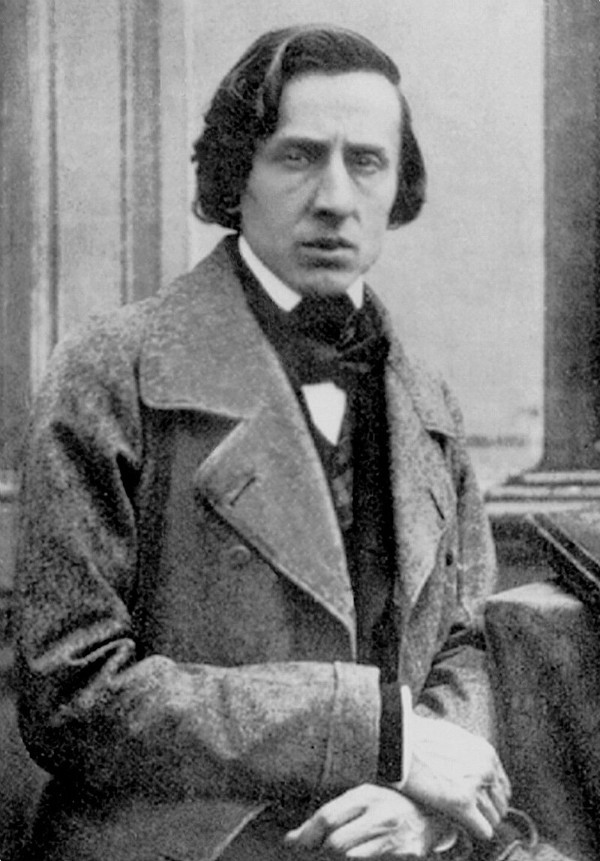
Frédéric Chopin
As an important scholar notes, “Chopin’s Polonaises serve as a musical act of resistance, preserving Polish identity in the face of political erasure.” The Polonaises encapsulate the spirit of a nation under duress, and Chopin transformed the originally courtly dance into a vehicle for personal and collective expression.
As we commemorate Chopin’s passing on 17 October, let us feature 10 of his most magnificent Polonaises, pieces that have been described as “narratives of the soul.”
Frédéric Chopin: Polonaise in A-flat Major, Op. 53 “Heroic”
Heroic Polonaise
The “Heroic Polonaise” is a vibrant and powerful piano work that has become one of the most iconic pieces in the classical music repertoire. Its bold, march-like rhythms, soaring melodies, and dramatic flourishes create an atmosphere of triumph and defiance.
Its majestic opening chords, followed by a galloping left-hand ostinato, evoke a cavalry charge. Arguably Chopin’s most iconic work in this genre, it was composed in 1842 and has become a universal symbol of heroism and resilience.
The nickname “Heroic” was not given by Chopin himself but emerged later, likely coined by audiences and performers who were struck by the work’s commanding and inspirational character.
Frédéric Chopin: Polonaise in A Major, Op. 40, No. 1 “Military”
Military Polonaise
Frédéric Chopin’s “Military Polonaise” dates from 1838, and it is a stirring and majestic piano work that has gained widespread fame for its vibrant, march-like energy and embodiment of Polish national pride.
Full of spirited and patriotic energy, the fanfare-like opening and rhythmic vitality evoke images of Polish soldiers marching in unity. We certainly find a highly public and ceremonial quality in its rhythmic drive and fanfare-like passages.
Chopin used the polonaise to project a collective Polish identity during a time of political oppression under Russian rule. Chopin captured both the martial strength and the cultural heritage of Poland in a way that continues to inspire and captivate.
Frédéric Chopin: Polonaise in C-sharp minor, Op. 26, No. 1
Lyrical Polonaise
Although perhaps less famous than the “Heroic” or “Military” Polonaises, Op. 26, No. 1 is a compelling and expressive work cherished for its lyrical depth and evocative portrayal of Polish national spirit.
It is a highly introspective piece, reflecting Chopin’s personal connection to Poland’s struggles. Musicologist Charles Rosen describes it as “a study in contrasts, with its dark, chromatic passages and fleeting moments of light.”
Informally, it has been titled the “lyrical” polonaise, with its brooding opening and dynamic contrasts evoking a sense of longing and defiance. The intricate interplay between the hands and the subtle use of rubato demand a nuanced performance, making this piece a favourite among pianists.
Frédéric Chopin: Polonaise in E-flat minor, Op. 26, No. 2
Stormy Polonaise
The companion to Op. 26 No. 1 is a darker and more turbulent work. Its restless energy and chromatic harmonies create a sense of unease, perhaps reflecting Chopin’s anguish over Poland’s political fate.
Scholar Mieczysław Tomaszewski notes that this polonaise “captures the tragic undertones of the Polish spirit.” The appeal of this polonaise stems from its raw emotional power and technical demands, specifically among performers and audiences who appreciate its introspective yet fiery nature.
The grim and stormy atmosphere has led some to refer to it informally as the “stormy” polonaise, a moniker inspired by its turbulent mood and evocation of struggle. It might well reflect Chopin’s own feelings of exile and longing for his homeland.
Frédéric Chopin: Polonaise in F-sharp minor, Op. 44
Tragic Polonaise
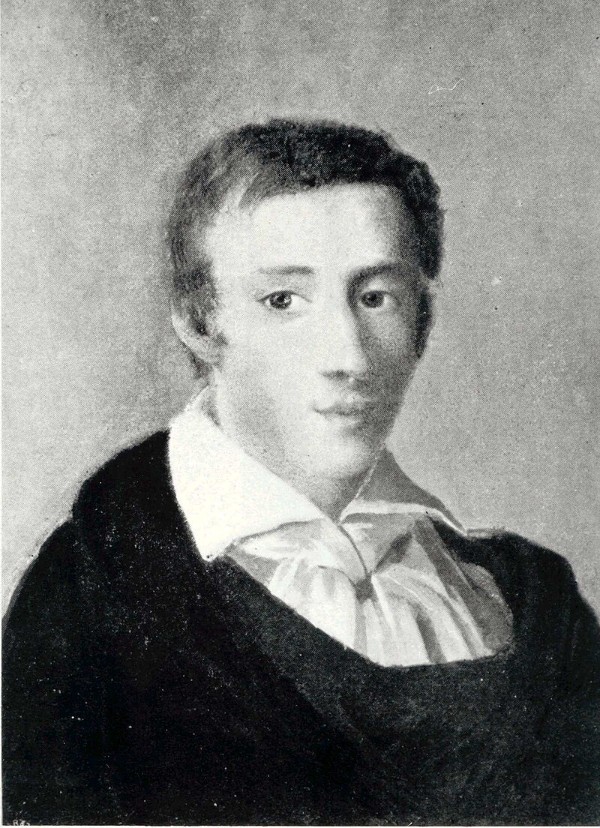
Frédéric Chopin
Chopin’s Op. 44 is a monumental and emotionally complex piano work that stands as one of his most ambitious contributions to the polonaise form. Weaving a tapestry of brooding passion, fiery defiance, and haunting lyricism, Chopin transforms the traditional Polish dance into a profound meditation on Poland’s national struggles.
Musicologist Anatole Leikin praises its “symphonic scope and psychological depth,” noting how the polonaise’s fiery outer sections contrast with the nostalgic mazurka, creating a narrative of struggle and reflection.
The work is particularly famous for its bold contrasts, including a tempestuous opening, a lyrical central section, and a striking mazurka-like interlude that evokes rustic Polish folk rhythms. It is sometimes referred to as the “Tragic” Polonaise, but that nickname is not by Chopin himself.
Frédéric Chopin: Polonaise-Fantaisie in A-flat Major, Op. 61
Fantaisie Polonaise
The Polonaise-Fantaisie, Op. 61, composed in 1846, represents the pinnacle of Chopin’s late style, merging the polonaise’s rhythmic structure with the improvisatory freedom of a fantasia. It is a deeply introspective and poetic piece, weaving together dreamlike passages with moments of great intensity.
This work is less overtly nationalistic, instead exploring an introspective and philosophical mood. Scholar Jonathan Bellman describes it as “a meditation on memory and loss,” with its fragmented themes and shifting harmonies evoking a dreamlike narrative.”
The nickname is by Chopin himself to highlight its hybrid nature, combining the polonaise’s nationalistic roots with the improvisatory freedom of a fantasia. This introspective masterpiece, often seen as a reflection of Chopin’s declining health and longing for his homeland, resonates with audiences for its complex emotional landscape and innovative structure.
Frédéric Chopin: Polonaise in C minor, Op. 40, No. 2
Mournful Polonaise
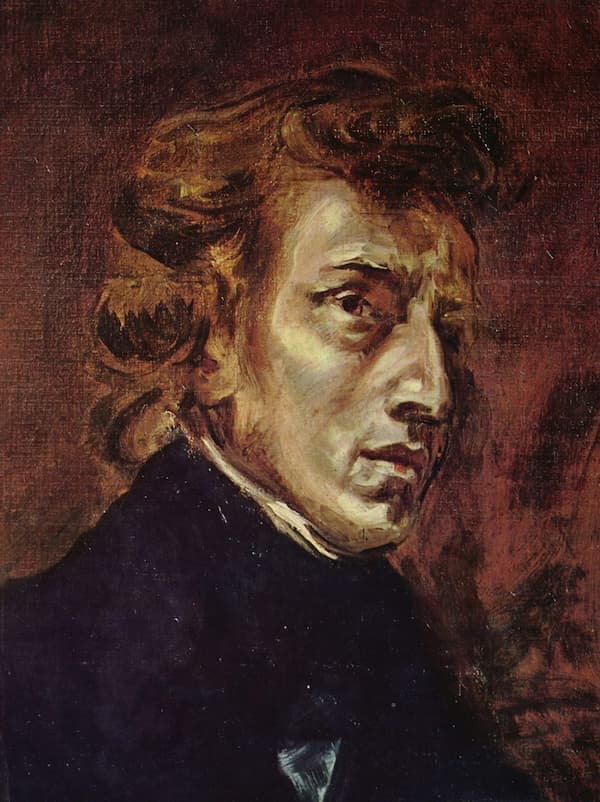
Portrait of Frédéric Chopin by Eugène Delacroix, 1838
While less celebrated than its companion, the vibrant “Military” Polonaise, Op. 40 No. 2 is admired for its understated elegance and emotional depth. This work transforms the traditional Polish dance into a mournful reflection.
Jim Samson observes that this polonaise “embodies a stoic resignation, yet retains an underlying defiance.” Its dark and flowing melodies paired with subdued rhythms create a melancholic atmosphere, conveying a sense of quiet defiance and sorrow.
While the lyrical middle section offers a fleeting moment of hope, the return of the main theme reinforces the work’s sombre tone, making it a powerful expression of Chopin’s emotional range. The music is a nuanced blend of dignity and heartache.
Frédéric Chopin: Polonaise in D minor, Op. 71, No. 1
Youthful Polonaise
Composed around 1825, when Chopin was just 15 years old, Op. 71, No.1 is a youthful and spirited work that showcases the early seeds of his genius in transforming the Polish polonaise into a vehicle for personal and national expression.
Scholar Halina Goldberg notes that these early polonaises “reveal Chopin’s deep connection to Polish folk traditions,” and the straightforward structure and vibrant rhythms make it an accessible yet charming addition to Chopin’s polonaise repertoire.
Its fame lies in its historical significance as one of Chopin’s earliest surviving polonaises, blending youthful exuberance and hints of emotional depth.
Frédéric Chopin: Polonaise in B-flat Major, Op. 71, No. 2
Joyous Polonaise
The Op. 71 set of three polonaises was published posthumously, but they originally date from the mid-1820s. Scholars highlight its “uncomplicated joy and rhythmic drive, which reflects the influence of Polish salon music.
Its bright, flowing melodies and dynamic rhythms convey a sense of optimism tempered by subtle undercurrents of longing, showcasing Chopin’s early ability to infuse the polonaise form with emotional depth.
Let’s close with the Polonaise in G minor composed around 1817 when Chopin was just seven years old. What a remarkable testament to his prodigious talent that “foreshadows the emotional intensity of Chopin’s later polonaises.”
The featured 10 magnificent polonaises showcase a remarkable range of emotions, from triumph and defiance to melancholy and nostalgia. They are a testament to Chopin’s genius as a composer and his unwavering connection to Poland, and also reflect his personal struggles and Poland’s national aspirations.
For more of the best in classical music, sign up for our E-Newsletter