There does not seem to be a country which likes classical music more than England and the United Kingdom. It hosts some of the most well-known concert venues — such as the Royal Albert Hall, the Barbican and Southbank centres or the Wigmore and Cadogan halls —, orchestras — such as the London Symphony Orchestra, the Royal Philharmonic Orchestra or the BBC Symphony Orchestra. Some of the best institutions for Western classical music are in London, from the Royal Academy of Music and the Royal College of Music to the Guildhall School of Music & Drama and Trinity Laban Conservatoire of Music and Dance. For many classical composers — and performers — England and London are a must go, and entry to these institutions is of very high standards.
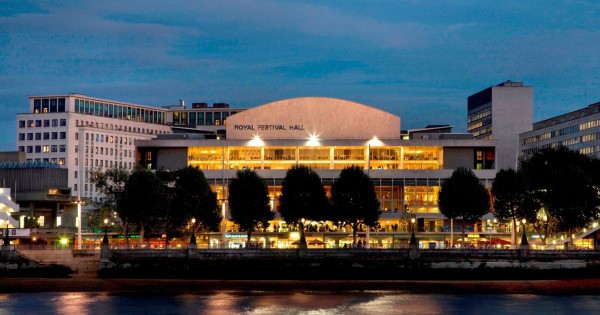
The Southbank Centre
Of course, this leads to many English musicians and well-known British composers. However, when one looks back at the history of music, England — compared to some of its European neighbours such as France, Germany or Italy or even Russia —, has not played such a shaping role in its creative output. The musical revolutions have happened with Debussy in France, Stravinsky in Russia and Wagner in Germany, for instance, but not in England.
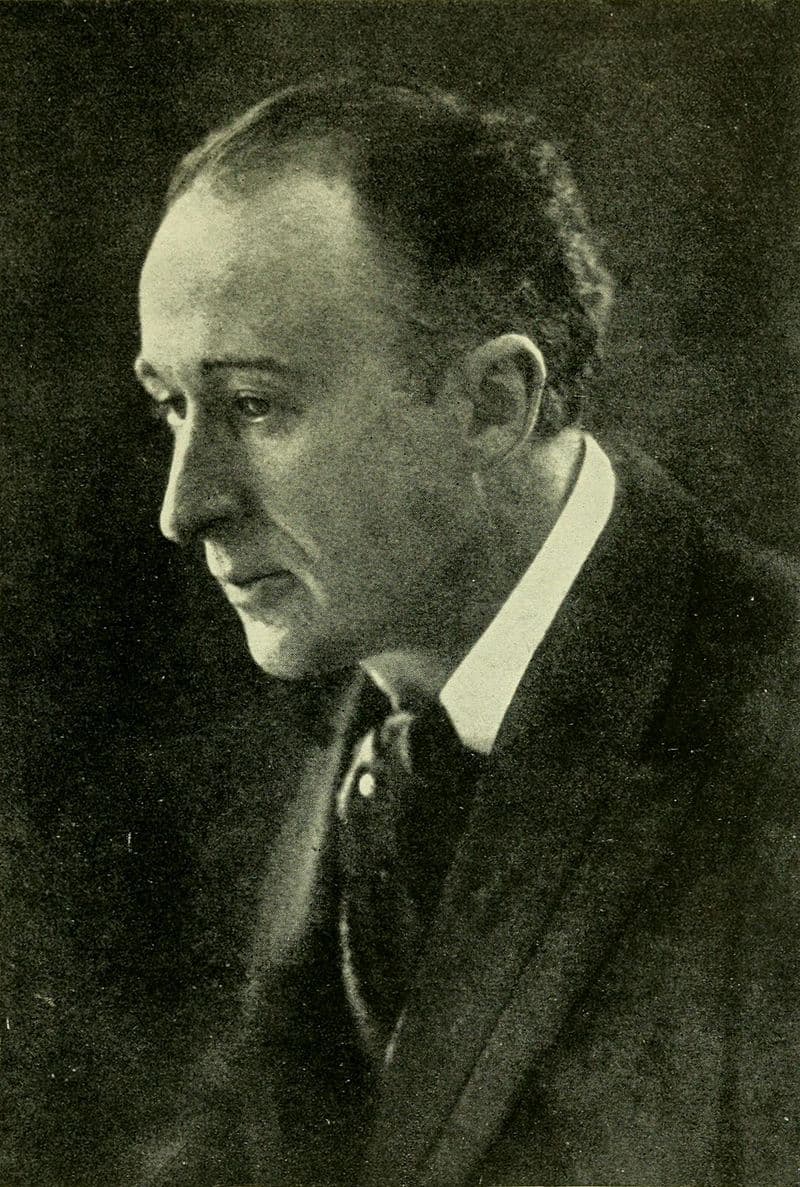
Frederick Delius, 1907
Nevertheless, this has not stopped the country from producing some of the most interesting music and composers, particularly during the 20th and 21st centuries. A non-exhaustive list of some of the most well-known names includes Byrd from the Renaissance era; during the Baroque era, Purcell and then the nationalised Handel; followed by the 19th and 20th-century masters such as Delius, Elgar, Holst, Vaughan Williams, Britten, and Arnold. Contemporary living and modern composers include Adès, Tavener, Bryars and more recently Richter, who became one of the most important English musical figures of the 21st century. Let’s look at some of them again, in more detail and through the eras of Western classical music.
Henry Purcell – Music for the funeral of Queen Mary (MARCH)

William Byrd
The first English composer to note is, during the Renaissance era, Byrd, who is considered one of the most important composers of early music, both in sacred and secular forms, through polyphony, keyboard and consort music. The Baroque and Classical eras saw two of the most important and celebrated British composers, Purcell, who is to Buckingham what Lully is to Versailles, and Handel — born Haendel, in Germany and then naturalised English — who, funny enough, shares his flat with Jimi Hendrix in the same building off Brook Street in London. Both composers have played a role in shaping early English music, mostly through composing for the courts of Westminster and Queen Mary for Purcell, and Queen Anne, King George I and King George II for Handel. Their participation in the English catalogue of classical music is considerable.
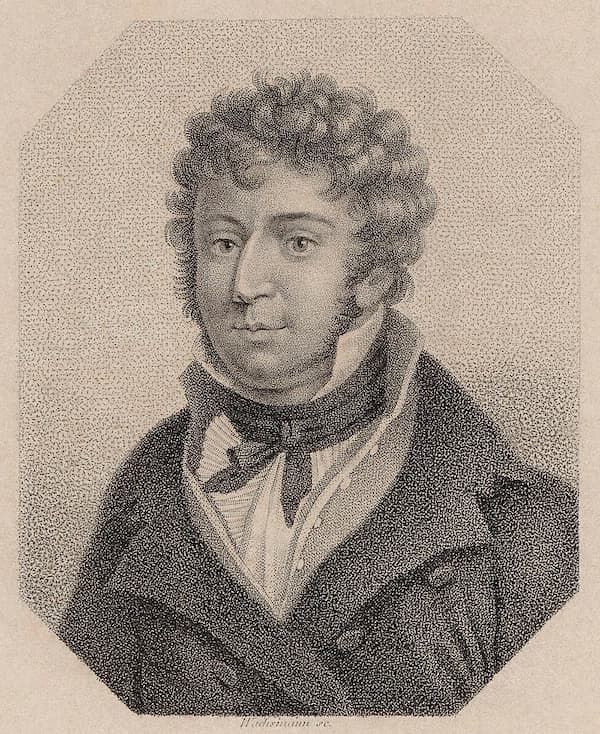
Anton Wachsmann: John Field, ca 1820 (Gallica: btv1b84179686)
There are not many composers to highlight during the Romantic era, but one should note the Irish composer Field, who, early in his life, moved to London and whose works — including his nocturnes — influenced Mendelssohn, Chopin, Brahms, Schumann, and Liszt. Modern times have seen the flourishing of the most interesting composers, such as the impressionist Delius, the mirror of the times Elgar, Holst who influenced generations of film music, Vaughan Williams following in the footsteps of Elgar in creating an English musical sound and Britten who became not only one of the most important English composers, but one of the driving figures of the 20th century Modern classical music.
John Tavener: ‘Mother of God, here I stand’ from the Veil of the Temple – Voces 8
The current Contemporary figures are no short of talents either — from the minimalism of Tavener, Bryars or Nyman, who have all become incredibly influential figures in their own rights, to Adès or the now internationally successful composer Richter.
Thomas Adès: Arcadiana – 6:”O Albion”
This non-exhaustive look at the English repertoire of Western classical music is only but a glimpse of the wealth of music that came from a country which is at times more well-known for welcoming foreign musicians and promoting them than promoting them. But this is, of course, a great misconception, as can be seen in the above, and there is much more to explore and hear in the great Albion!
For more of the best in classical music, sign up for our E-Newsletter