
We associate the sound of Debussy with his ‘impressionist’ music of works such as Prélude à l’après-midi d’un faune or his piano music. In some of his most important songs, however, we have more of a Germanic influence, i.e., Wagner.
In tune
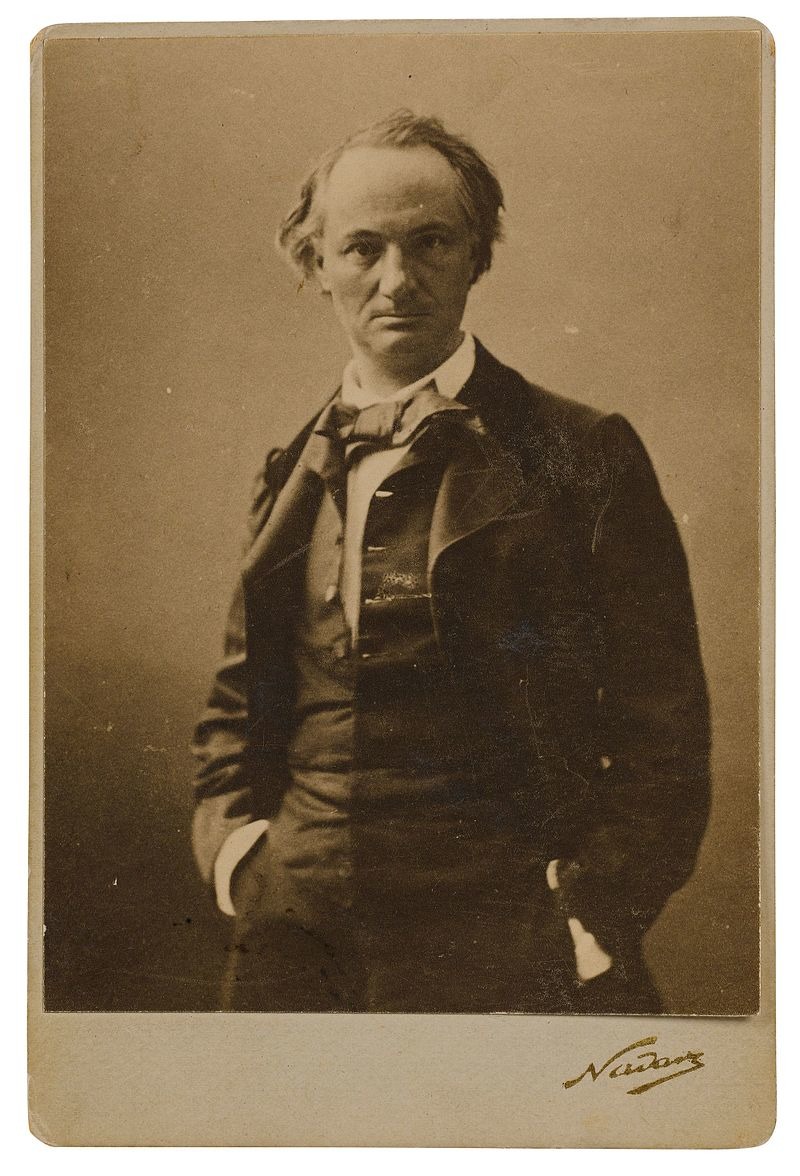
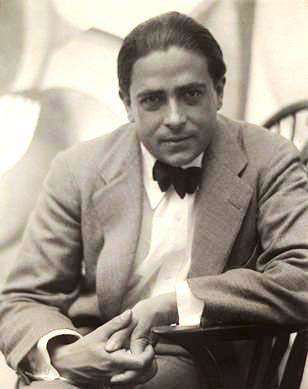
« Notre tête est ronde pour permettre à la pensée de changer de direction » (Our head is round to allow thoughts to change direction) – Francis Picabia A current exhibition at the Museum of Modern Art in New York
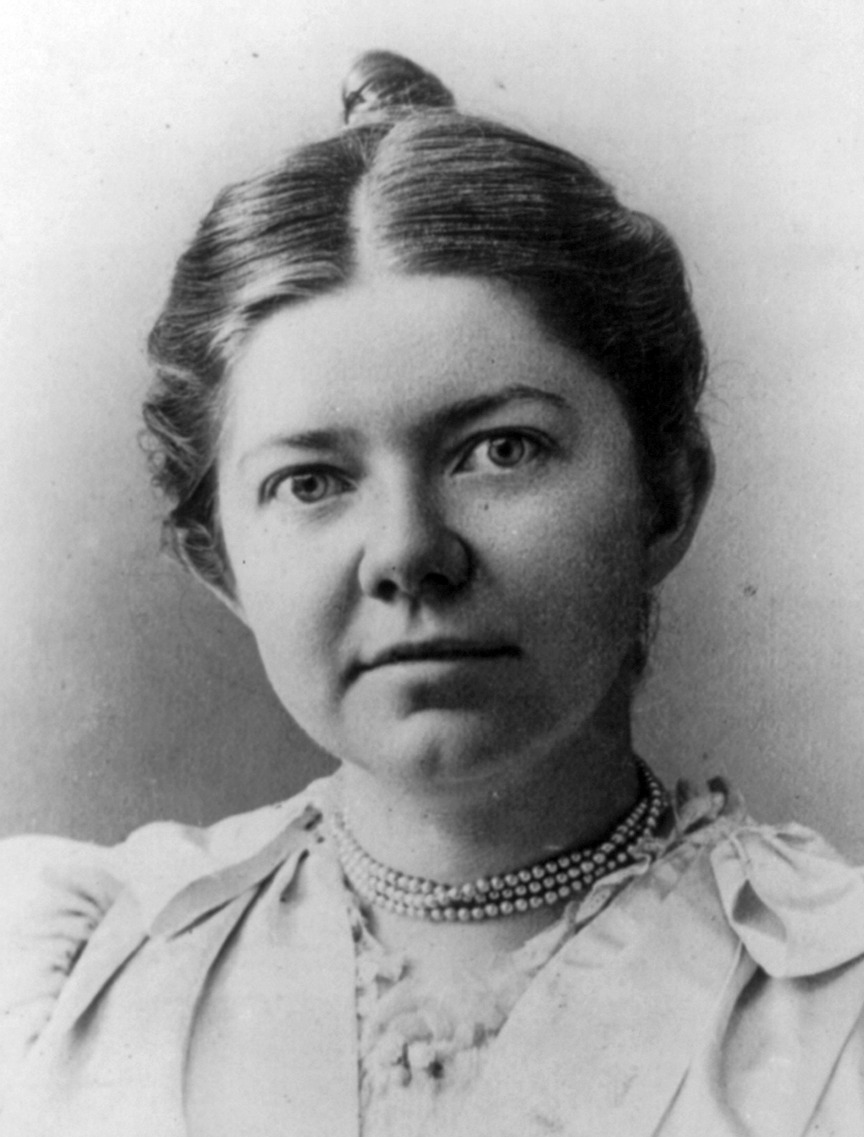
American composer Amy Beach (1867-1944) was both a composer and an accomplished pianist with an extensive international career. She wrote about 117 art songs, some of which she also wrote the words. She wrote in a very European idiom and

Flying is supposed to be the safest form of transportation; at least that’s what statistics will tell you. In very recent memory, a crash in South America has received lots of media coverage because it carried a first division Brazilian
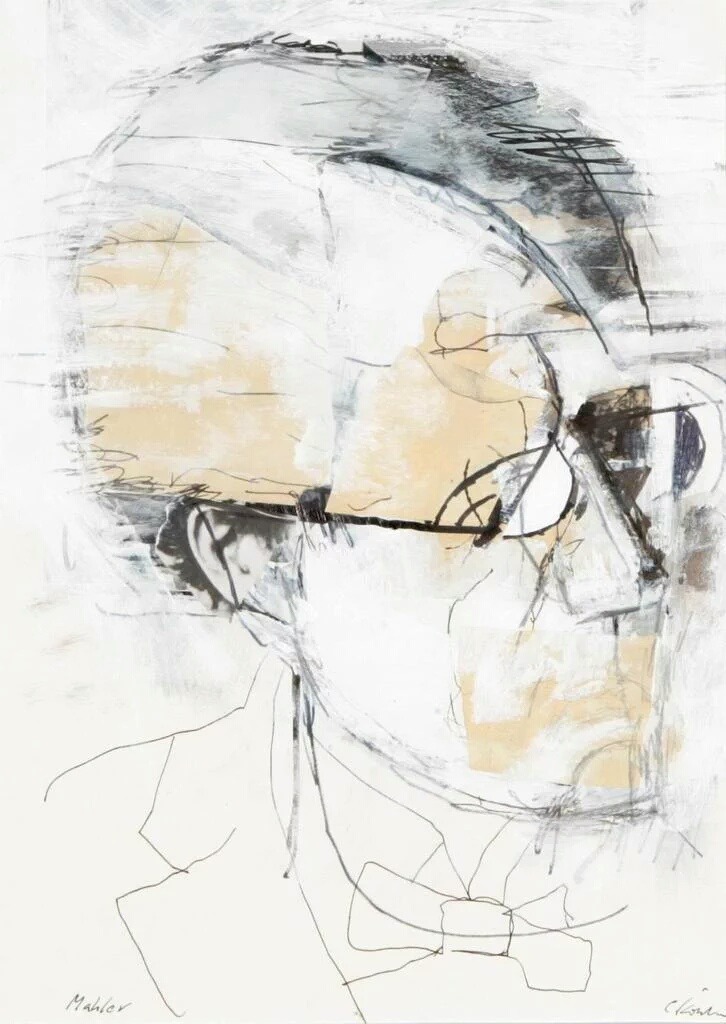
Swedish artist Carl Köhler (1919-2006) has left a body of art in the neo-modernist style that was virtually ignored at the time of his death. His son, Henry, has taken up his father’s legacy and over the past decade has
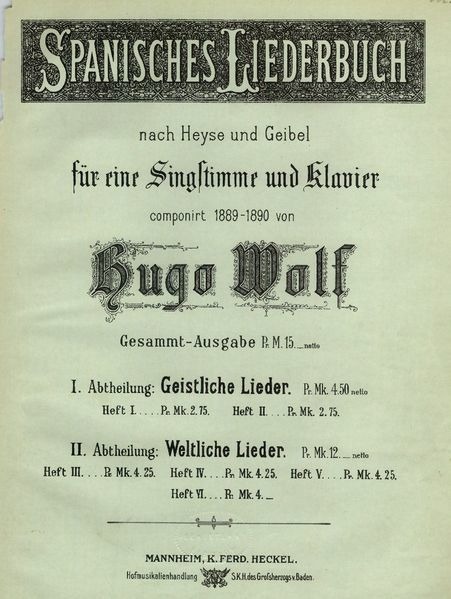
In his great spate of lieder writing, the last great collection Hugo Wolf (1860-1903) took on was the Italienisches Liederbuch, translated by Heyse and Geibel, the same translators of the Spanisches Liederbuch. This collection of poetry is translations into German
Wolf took up the poetry of Goethe and in his Goethe-Lieder collection, set 51 poems. They came from a variety of poetic sources, including the influential Wilhelm Meisters Lehrjahre (1795-96) and the wonderfully named West-östlicher Diwan (1819), as well as
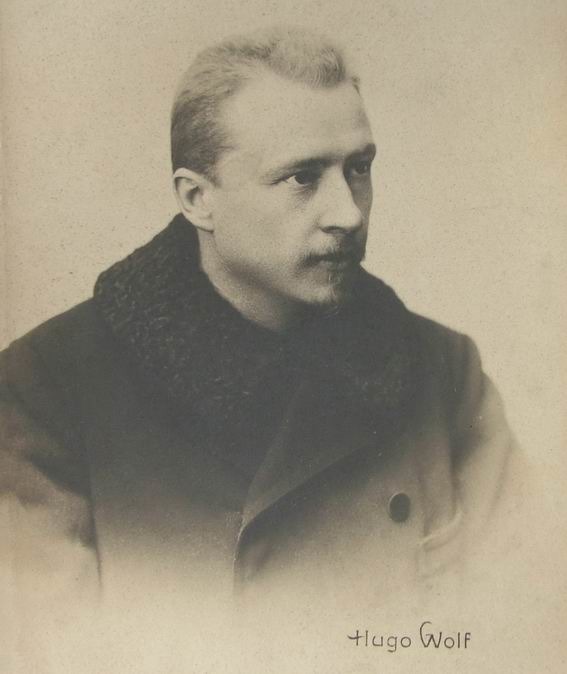
If Schumann had his song year of 1840, then Hugo Wolf (1860-1903) had his song year of 1888. He had been a song composer long before this, and, as were most song composers in the years between 1855 and 1880,