
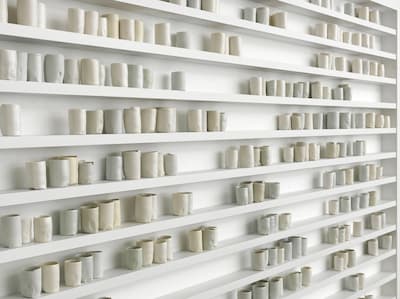
The ceramic art of writer and potter Edmund de Waal focuses on porcelain pieces, usually in a single colour, against a plain background. The installations carry their own rhythm and, when Scottish composer Martin Suckling looked at the works from
In tune
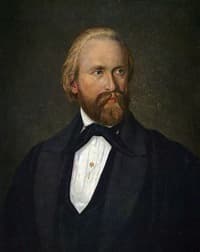
Robert Schumann had a face-to-face encounter with Friedrich Hebbel in 1847. Hebbel had called on Schumann in Dresden while passing through. Hebbel found Schumann “not only persistently, but also uncomfortably mute.” Schumann, as he noted in his diary, however, felt
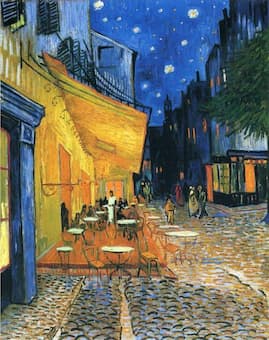
One of the problems in trying to portray a painting in music is how literal one chooses to be. Some of the most successful of the musician / artist combinations we’ve looked at in this series have dealt with modern
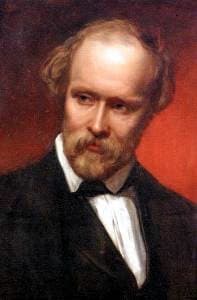
The poet and dramatist Friedrich Hebbel (1813-1863) grew up in abject poverty and struggled with severe health issues throughout his life. From personal experience and meticulous observations he concluded that life is “a struggle between the individual and the universe.”
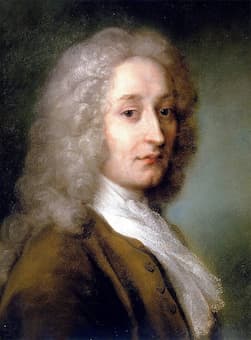
Antoine Watteau (1684–1721), who died 300 years ago at the young age of 37, was one of the most original and brilliant artists of the eighteen-century. Rising from an obscure provincial background he achieved fame in the French capital, and
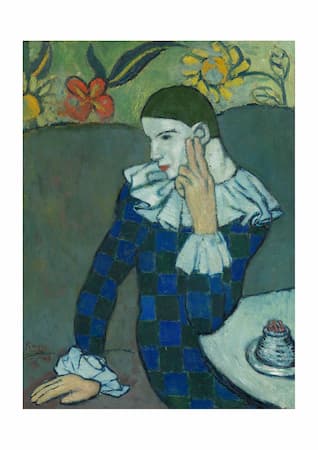
The influence of Pablo Picasso (1881-1973) for the art world is clear – from his cubist works to his focus on mythological beings, with his effortless drawing and painting style, he created a 20th century that has never really been
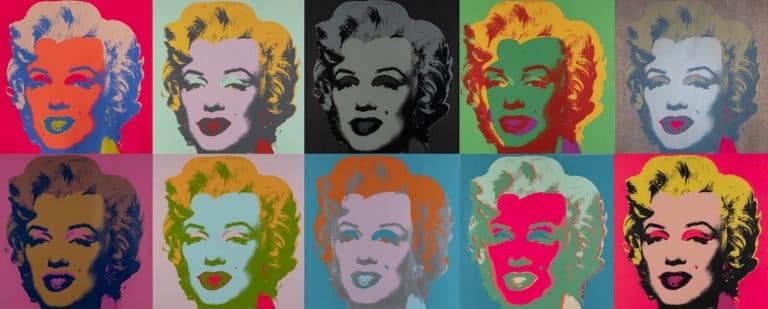
Taking the ideas of painter Andy Warhol (1928-1987) as his inspiration, Spanish composer Jorge Grundman (b. 1961) also used his own experience in Spanish pop music to create Warhol in Springtime. The composer wrote that: ‘The work’s name is in
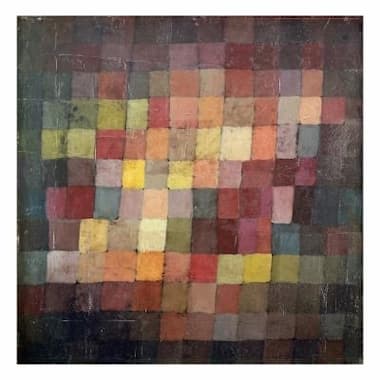
American composer Gunther Schuller (1925-2015) took the Swiss artist Paul Klee (1879-1940) as his inspirational source for his 1959 orchestral work 7 Studies on Themes of Paul Klee. The seven works he chose were created between 1912 and 1933 and