
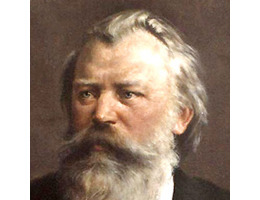
In 1881, Johannes Brahms (1833-1897) wrote to his friend Elisabeth von Herzogenberg that he had finished “a tiny little piano concerto with a wisp of a scherzo.” At that time, Elisabeth could scarcely have known that Brahms had just completed
In essence
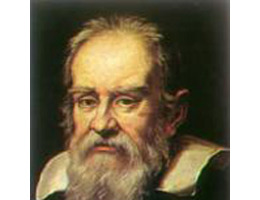
Vincenzo Galilei: Duo tutti di fantasia We all know that Galileo Galilei (1564-1642) is commonly known as the “Father of modern observational astronomy,” the “Father of Modern Physics,” and the “Father of Modern Science.” But did you know that his
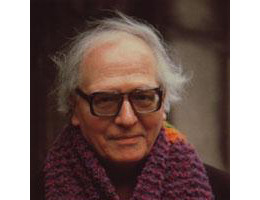
Who’s going to write it? How long’s it going to be? For how many people? These are just a few of the questions that are asked when a new work is commissioned. What, then, do you get when these constraints
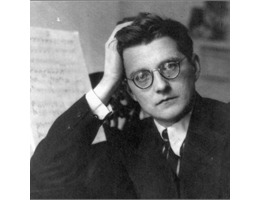
In 1935, Benjamin Britten spoke rather despairingly of the musical scene in the 20th century. “The real musicians are so few & far between, aren’t they? Apart from Berg, Stravinsky, Schoenberg and Bridge one is a bit stumped for names,
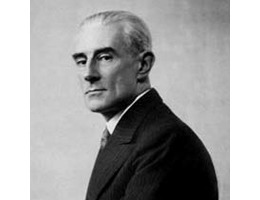
Daphnis et Chloé For all its charm and wonder, Ravel’s Daphnis et Chloé wasn’t a bump-free production from either side of the fence… It’s perhaps most well-known for its two orchestral suites, using music directly from the ballet itself. The
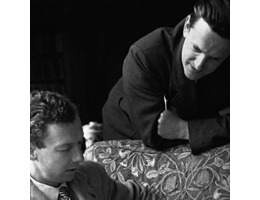
7 Sonnets of Michelangelo, Op. 22Benjamin Britten, pianoPeter Pears, tenor In 1974, Benji Britten and Peter Pears exchanged a number of remarkable letters that summarized not only their personal relationship but also their artistic careers. Dated 17 November 1974, Britten
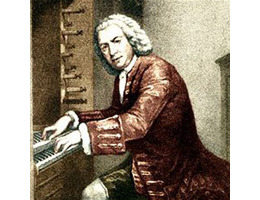
Throughout his extended Leipzig career, J. S. Bach had a rather uneasy relationship with civic and church authorities. At his election as Cantor of St. Thomas Church in 1723, Bach was cautioned to make compositions that were not theatrical. “In