
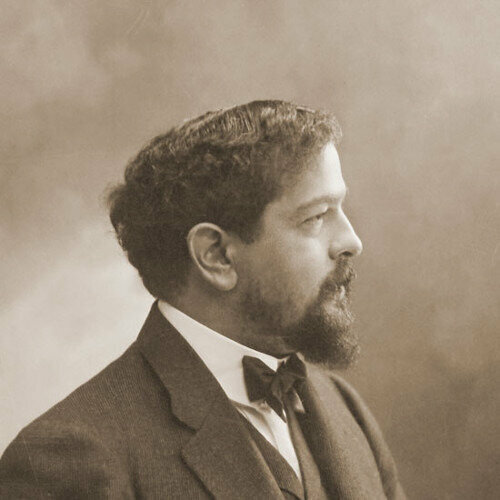
When we think of a musical piece called a ‘Prelude,’ we think of the monumental series of Preludes and Fugues by J.S. Bach, or, more adventurously, Chopin’s 1838 series of 24 Preludes, Op. 28. When the French composer Claude Debussy
In essence
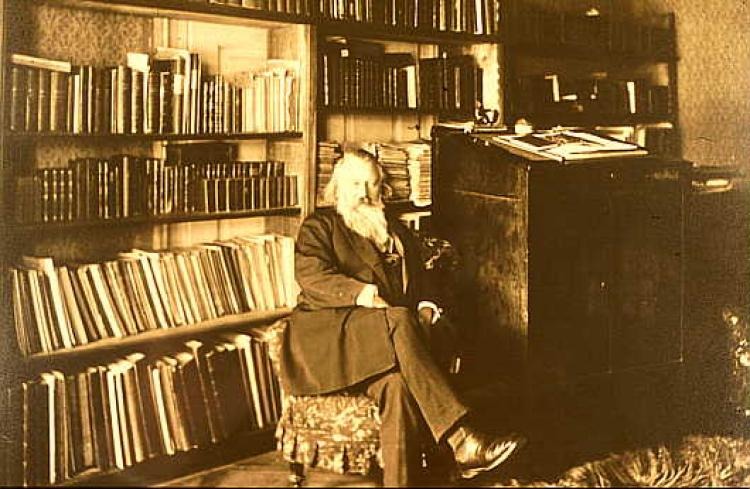
Playing an audition for Johannes Brahms, who single-handedly controlled much of Vienna’s musical establishment—must have been an unbelievably frightening experience. Just ask Hans Rott, who showed his symphony to the old master in 1880. Rott was told, “you have no
Producing a doctoral thesis in the humanities, especially when it involved archival research, used to be a lot of work. It frequently involved lengthy travel from library to library in order to research original materials related to the subject at
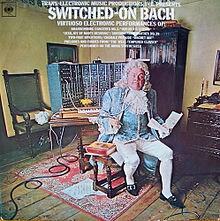
Johann Sebastian Bach started his work on The Art of the Fugue, one of the most celebrated and extensively studied collection of contrapuntal movements, in 1743. At the time of his death, on 28 July 1750, the collection remained unfinished
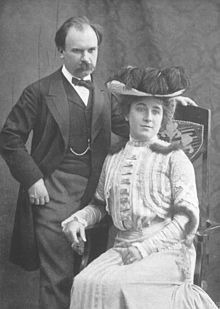
Emperor Napoleon I of France was small in stature, reaching a mere 157 centimeters in height. It is commonly assumed that he compensated for his lack of height by aggressively seeking out power, war and conquest. “Short man syndrome,” which
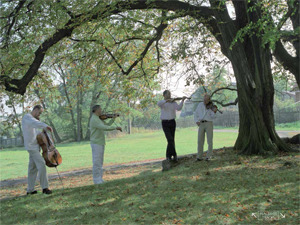
Felix Mendelssohn (1809 — 1847) started writing string quartets at a very early age – always precocious, he composed his String Quartet in E flat major in 1823, when he was just 14 (although it was not published until 50
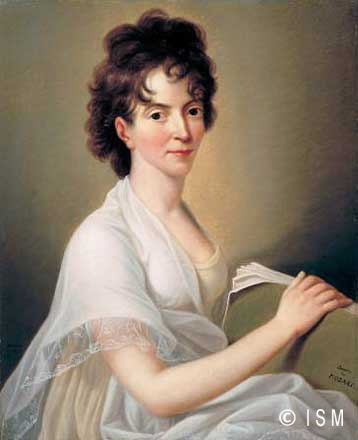
Mozart’s relationship to church music has been compared to a child’s attitude towards eating sprouts and spinach. That attitude was clearly conditioned by his troubled interaction with Count Hieronymus von Colloredo, who was appointed Prince-Archbishop of Salzburg in 1771. This
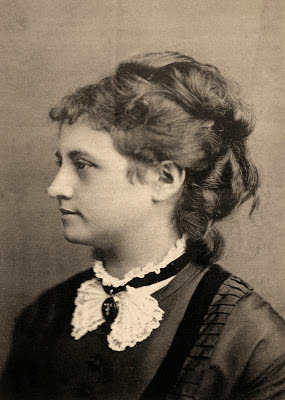
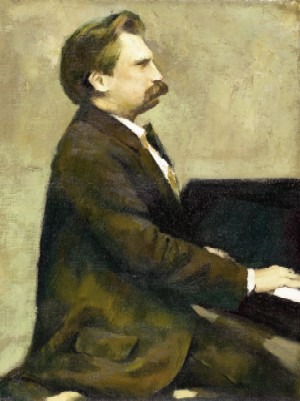
Fabled pianist Eugen d’Albert compared his wives to Beethoven symphonies. He once told a friend that he intended to marry until he got up to the ninth, with chorus! Unfortunately, he only lived long enough to manage the “Pastoral.” For