
George Gershwin: Rhapsody in Blue (arr. R. Hekkema for reed quintet): Tempo I (Calefax Reed Quintet) Today, I’d like to introduce you to a musical movement from the late 1950s and early 1960s that you may simply never have heard
Blogs
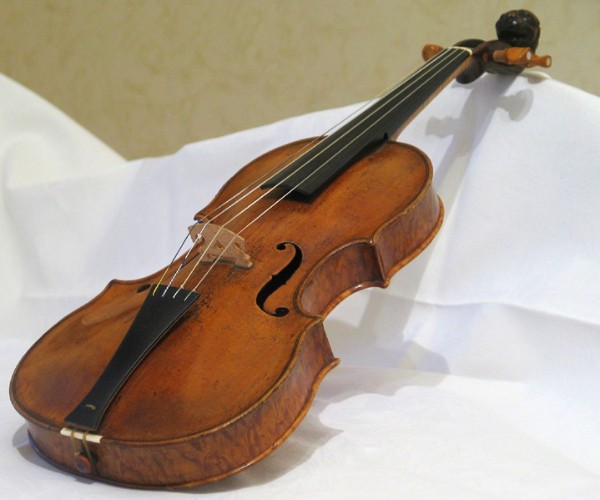
The modern violin is around 500 years old, and over that time, an endless number of myths and misunderstandings have sprung up around it. The violin’s greatest player was in league with the devil. Violin strings are made from cat
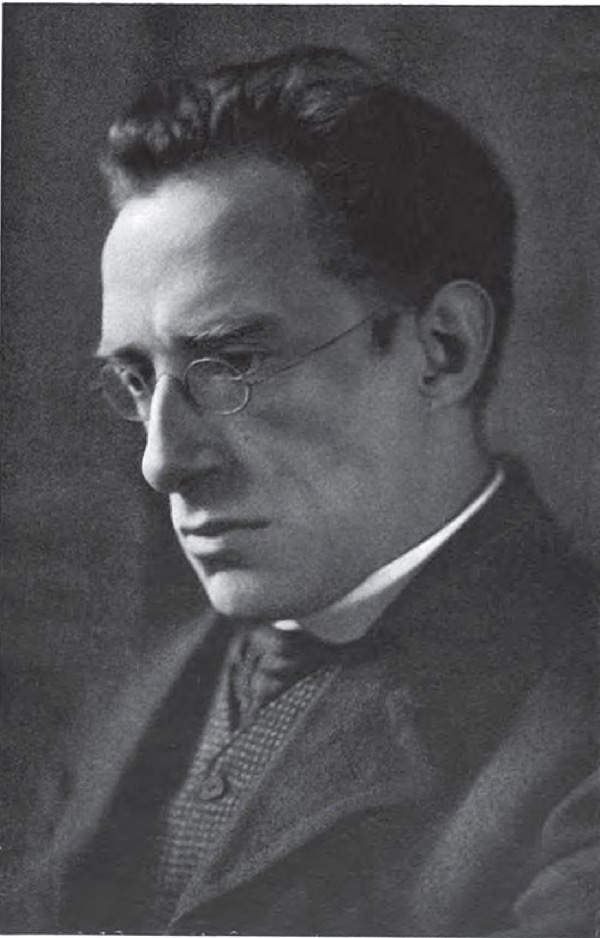
In our previous episode on forgotten Romantic piano concertos, we discovered unexpected and wonderful music by Thalberg, Kalkbrenner, Pixis, Herz, and Hiller. These much-neglected nineteenth- and early twentieth-century piano concertos and concertante works have been brought to light in 87
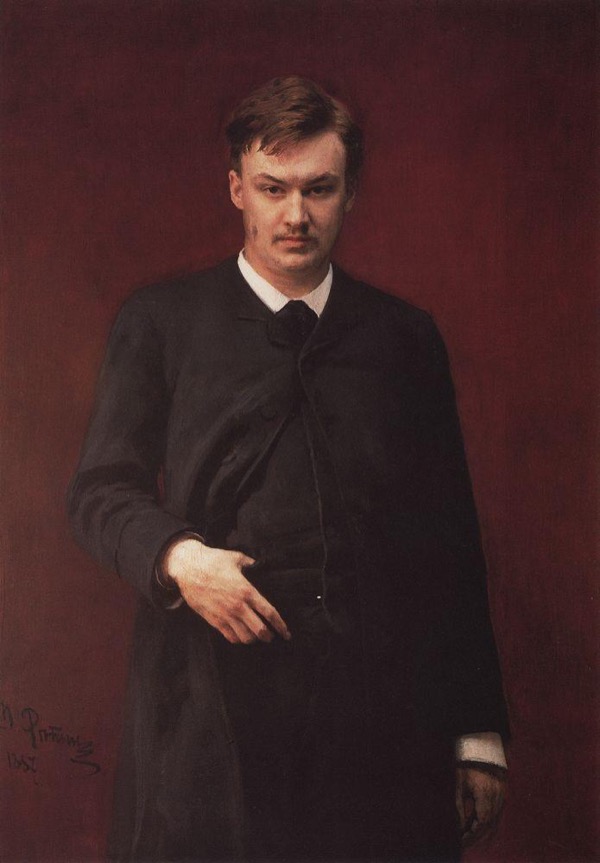
Russian composer Alexander Glazunov (1865–1936) started his piano studies at age nine and began composing at age 11. Mily Balakirev recognised his talent and contacted Nikolai Rimsky-Korsakov on his behalf. He began studying with Rimsky-Korsakov in 1879, when he was
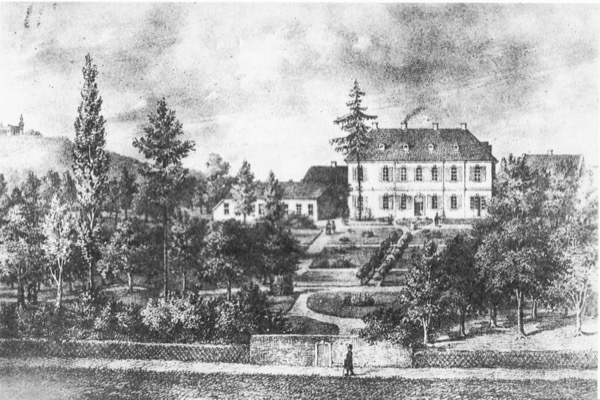
Located in western Bonn, Germany, the village of Endenich dates back to the 8th century. It was incorporated into the city of Bonn in 1904, and today it feels like a gentle continuation of the urban landscape. Driving into Endenich,
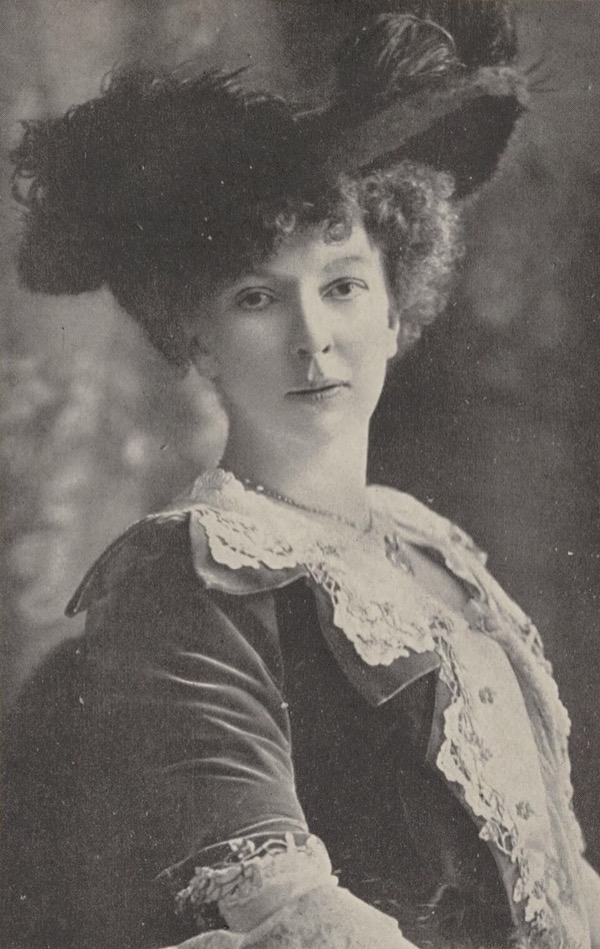
Cécile Chaminade was one of the most famous composers of the nineteenth century – and one of the most unjustly forgotten of the twentieth. The French pianist and composer published over 400 works in her lifetime, sold out Carnegie Hall,
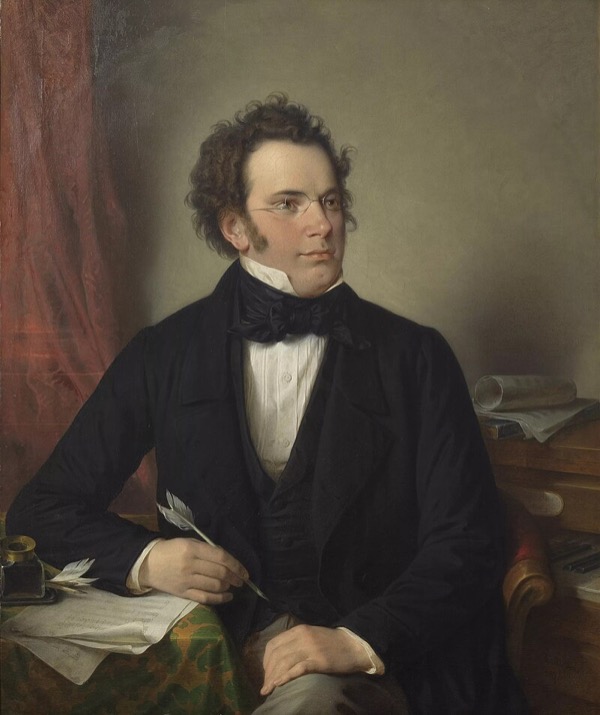
Franz Schubert died in November 1828 at the age of thirty-one. He left behind an extraordinary circle of friends: poets, singers, publishers, pianists, and fellow composers who gathered around him in Vienna’s coffeehouses, salons, and intimate gatherings known as Schubertiades.
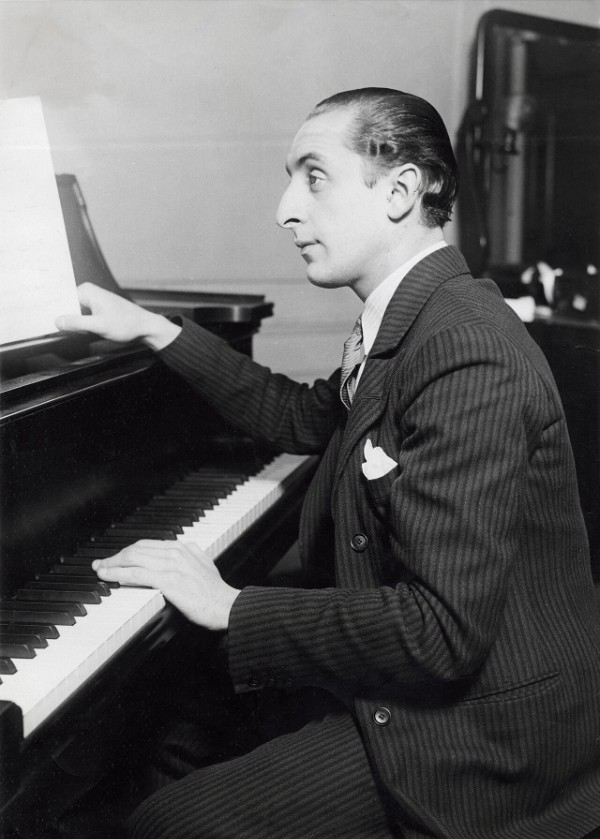
October is one of the richest months on the classical music calendar when it comes to anniversaries. It marks the birthdays of Vladimir Horowitz, Franz Liszt, and Charles Ives – the deaths of Chopin, Bruckner, and Jacqueline du Pré –