
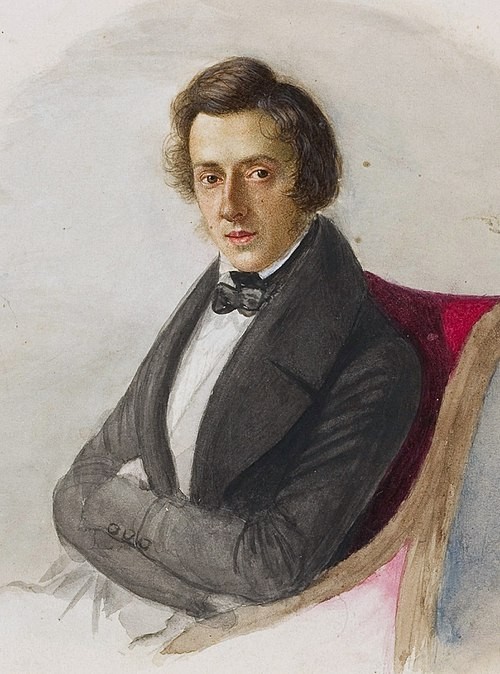
For centuries, the specter of tuberculosis – once known as “consumption” – haunted every person’s life. In fact, in the 1800s, tuberculosis caused about a quarter of all deaths in Europe and the United States. If you yourself didn’t die
Blogs
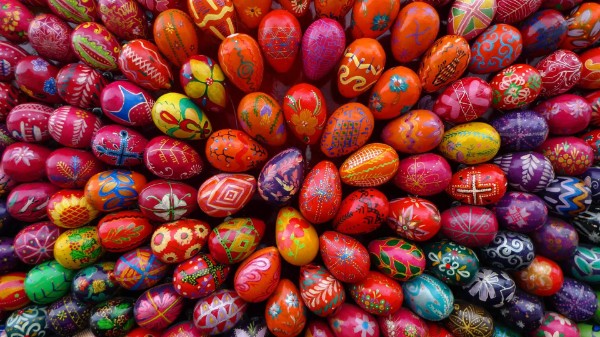
The Christian celebration of Easter returns once again. This particular holiday is of central importance to the Christian faith. It’s the culmination of the Passion of Christ, which commemorates the Last Supper, and also the crucifixion and death of Jesus.
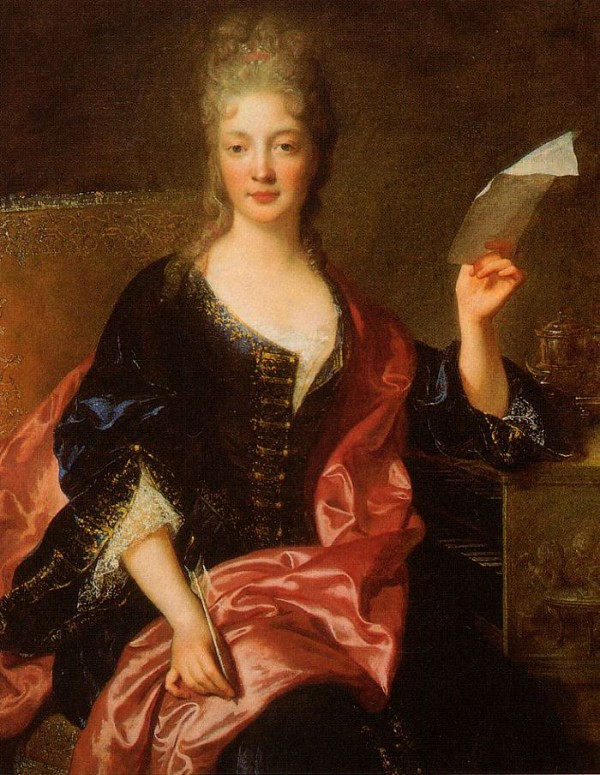
The Baroque Era, lasting roughly from 1600 to 1750, was a golden age for classical music, yet the names most often celebrated today are almost entirely male. However, a remarkable group of women composers were writing music for royal courts,
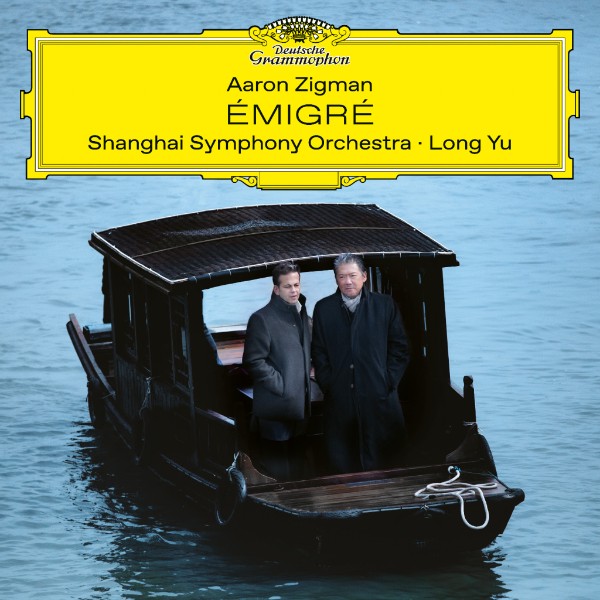
A little-known chapter of the Second World War is the subject of the recently premiered and stunning new work Émigré. It’s an oratorio about the thousands of Jewish refugees who fled Nazi Germany seeking a haven in Shanghai in the
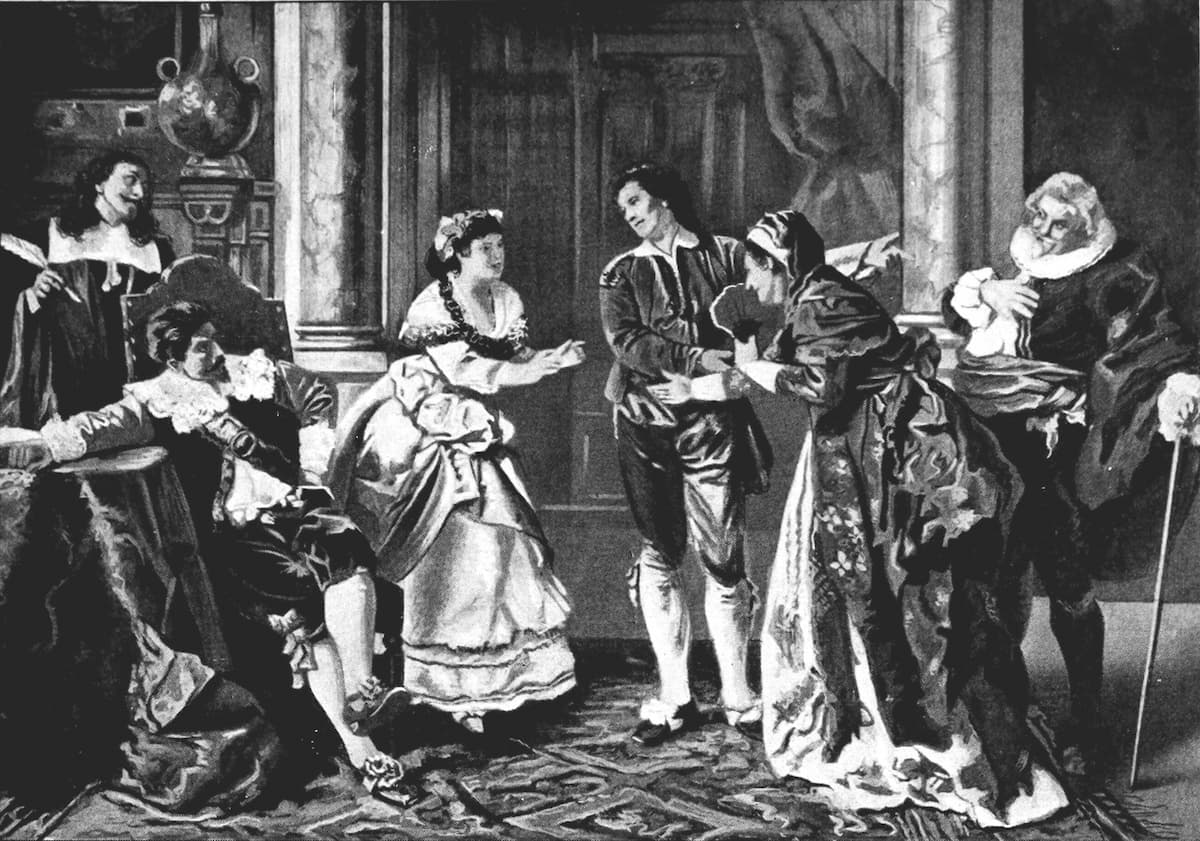
Some of opera’s biggest box-office champions began life as spectacular misfires. From Mozart’s Le nozze di Figaro (heckled by a claque in 1786) to Puccini’s Madama Butterfly (booed off the La Scala stage in 1904), opera performances have been ruined
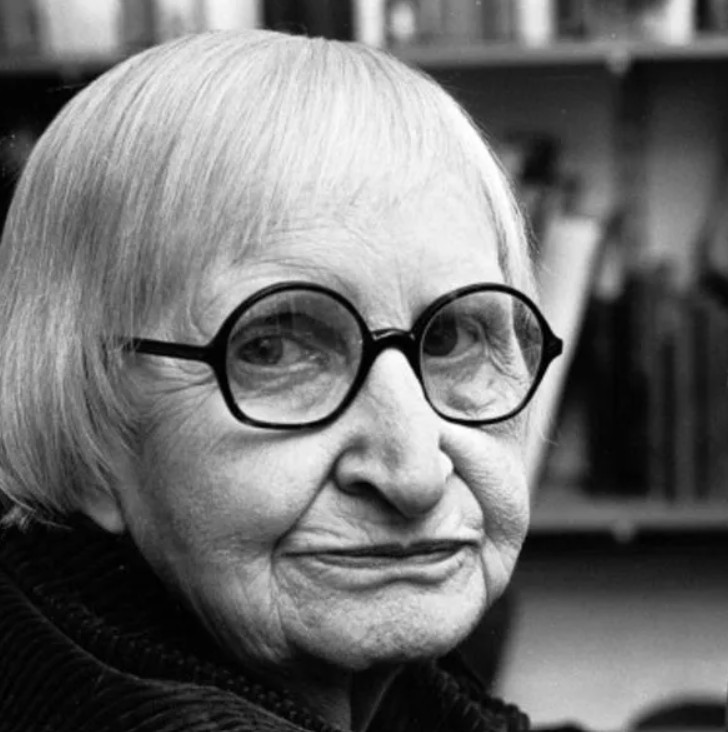
Elisabeth Lutyens (1906–1983) was one of the most daring and innovative British composers of the twentieth century. The daughter of famed architect Sir Edwin Lutyens, she defied both her family’s expectations and the male-dominated classical music world to carve out
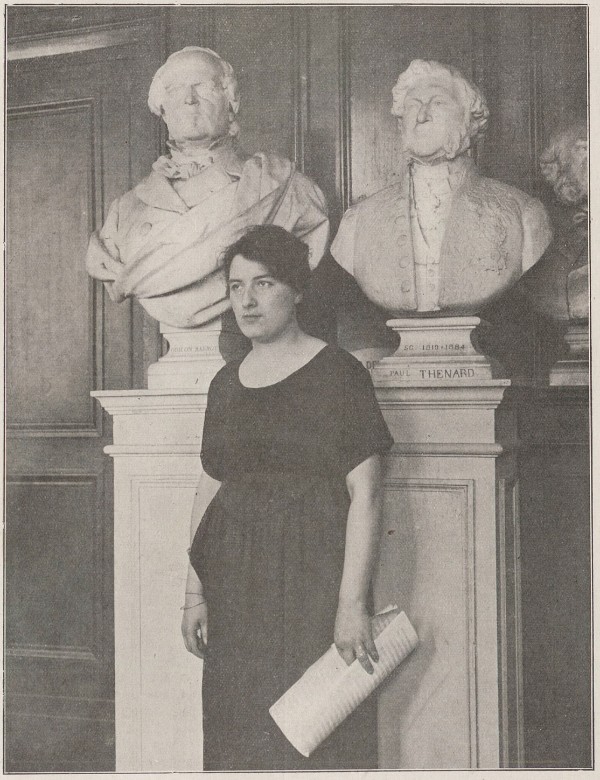
For two centuries, winning the Prix de Rome was the ultimate accomplishment for young French composers. The Prix de Rome, associated with the Paris Conservatory, was a fiercely competitive award that offered its winners the chance to create with fellow
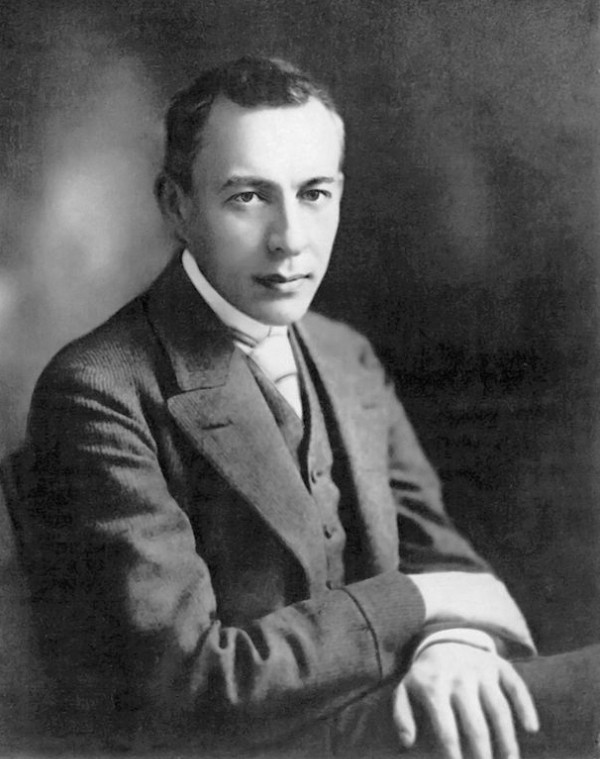
Historically, April has been packed with pivotal moments in classical music history. The month has seen the births of Russian giants like Sergei Rachmaninoff and Sergei Prokofiev, as well as the deaths of some of the world’s most famous composers,