
This new anthology is a result of EVC Music’s #CallToWomenComposers worldwide search for talented but not yet published women composers and includes new piano works by twenty-two women composers inspired by Chopin’s Nocturnes. The project was initiated by Rose McLachlan,
Playlists

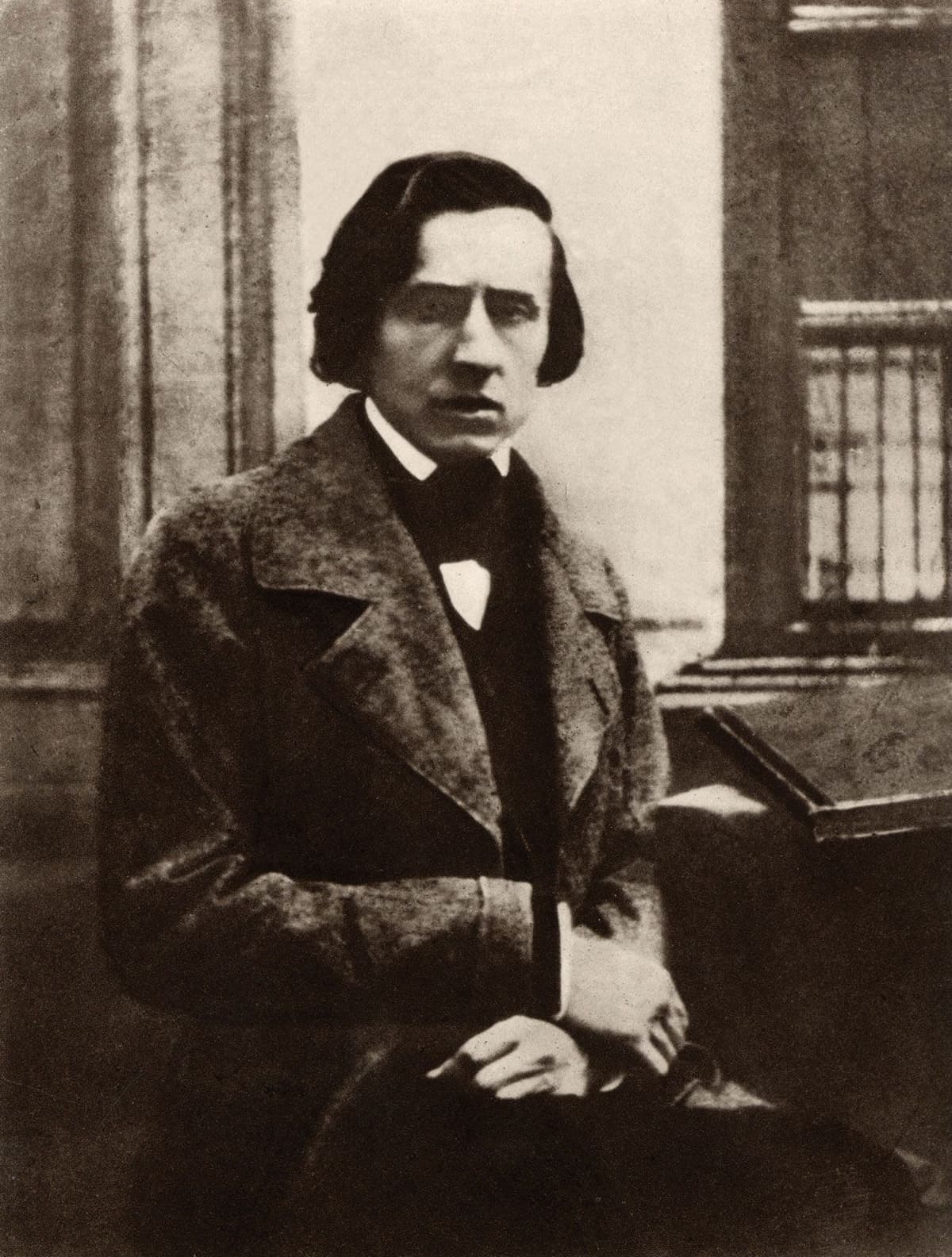
Chopin’s Biography for Beginners Frédéric Chopin was born in present-day Poland in 1810. He was famous for a few things: • He wrote a lot of emotional solo piano music at a time when composers proved their seriousness by writing
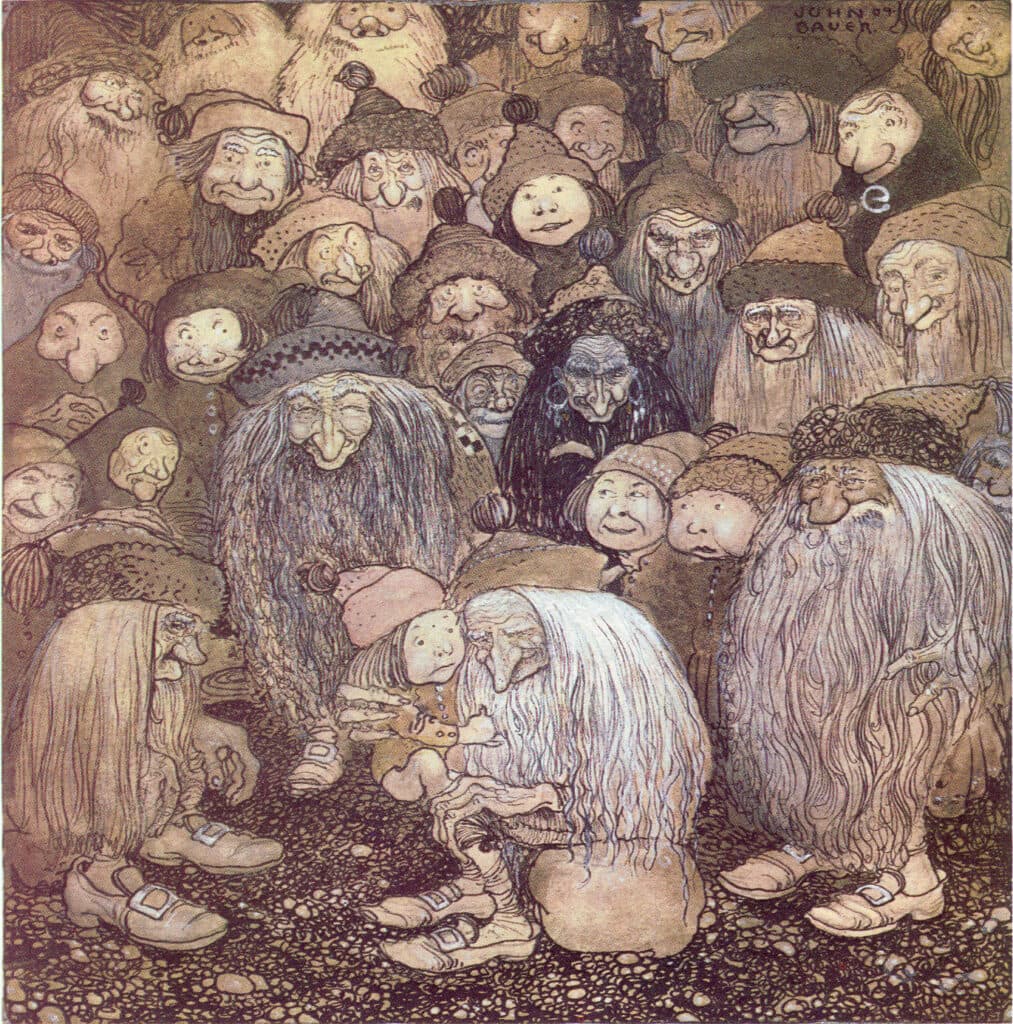
In folklore, mythical creatures fulfill the worlds our imaginations create: trolls in the underworld, mermaids in the water, and unicorns in the forests and fields. We’ll start in the underworld. One of the most famous trolls in music comes from
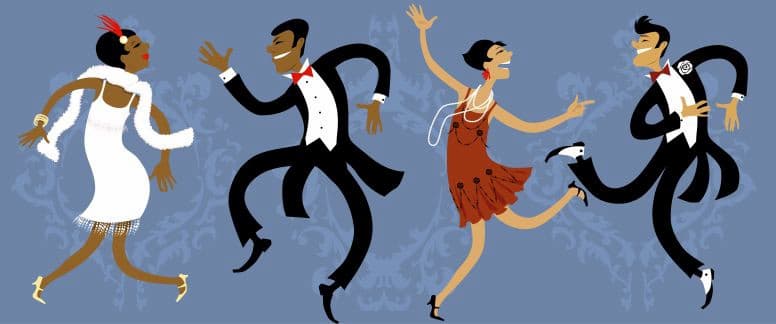
The year 1923 was characterized by economic prosperity and a world population that had topped 2 billion. Time Magazine published its first issue, and Adolf Hitler led the Nazi Party in a failed coup attempt in Germany. In this year,

Get into the spirit of Halloween with these bone-chilling pieces of classical music! From hauntingly beautiful melodies to spine-tingling symphonies, this playlist is sure to transport you to a world of ghosts, goblins, and things that go bump in the
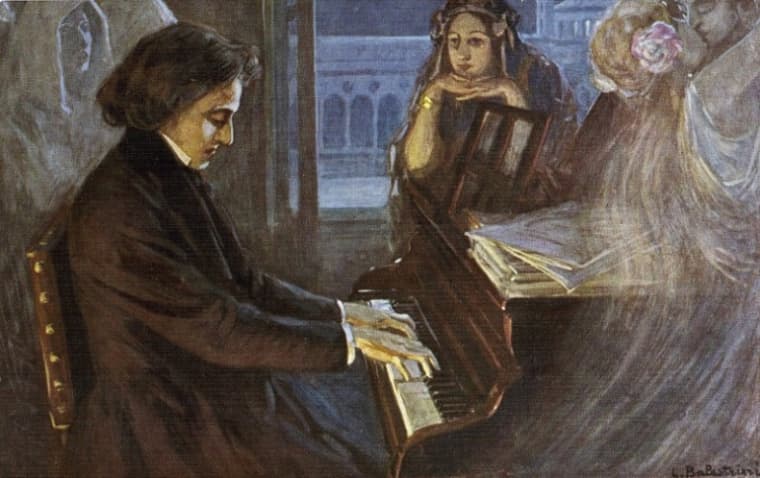
We, classical music lovers, can be a moody bunch, and sometimes we just get in the mood to listen to sad piano music. And when it comes to sad piano music, Frédéric Chopin always delivers, especially when it comes to
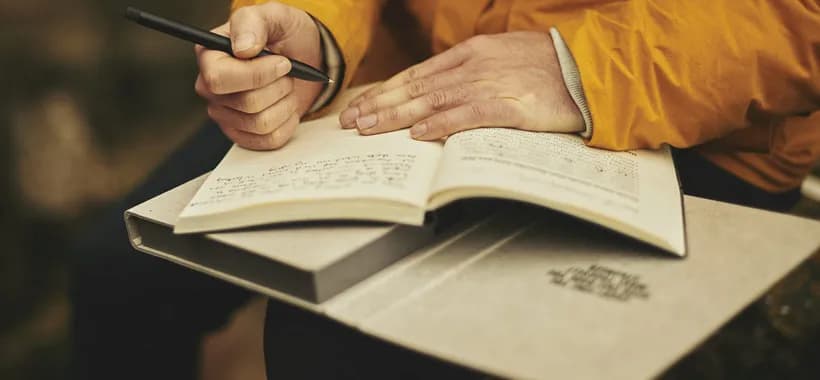
Writing is hard. It’s a lonely pursuit requiring not only focus and discipline, but inspiration, too. While there are many tools and techniques that writers can use to boost their creativity, one often overlooked resource is classical music. Today we’re
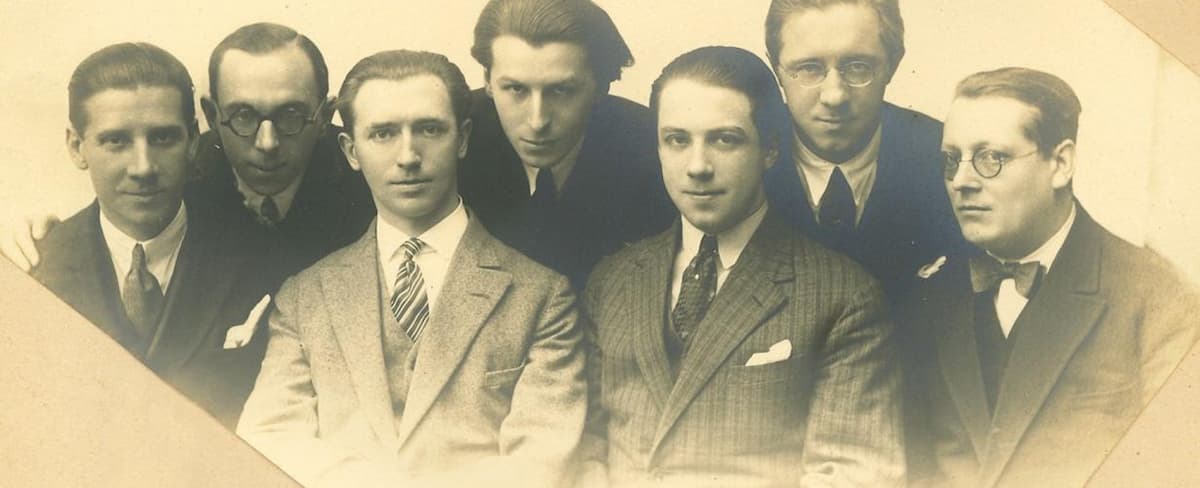
Seven students of Paul Gilson created their music collective Les Synthétistes (The Synthetists) on the occasion of their teacher’s 60th birthday in September 1925. They wanted to create a distinctive modern Brussels sound that was different from the late-Romantic sound