
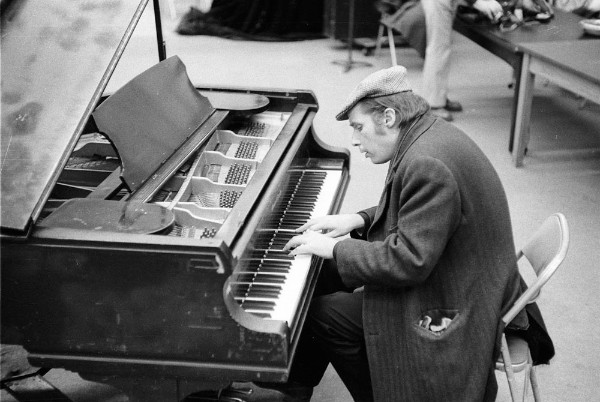
The most popular Glenn Gould performances on YouTube have drawn millions of views. Gould stopped performing live in 1964, retreating to the recording studio and the television camera, but his filmed performances have found an enormous new audience online. His
Playlists
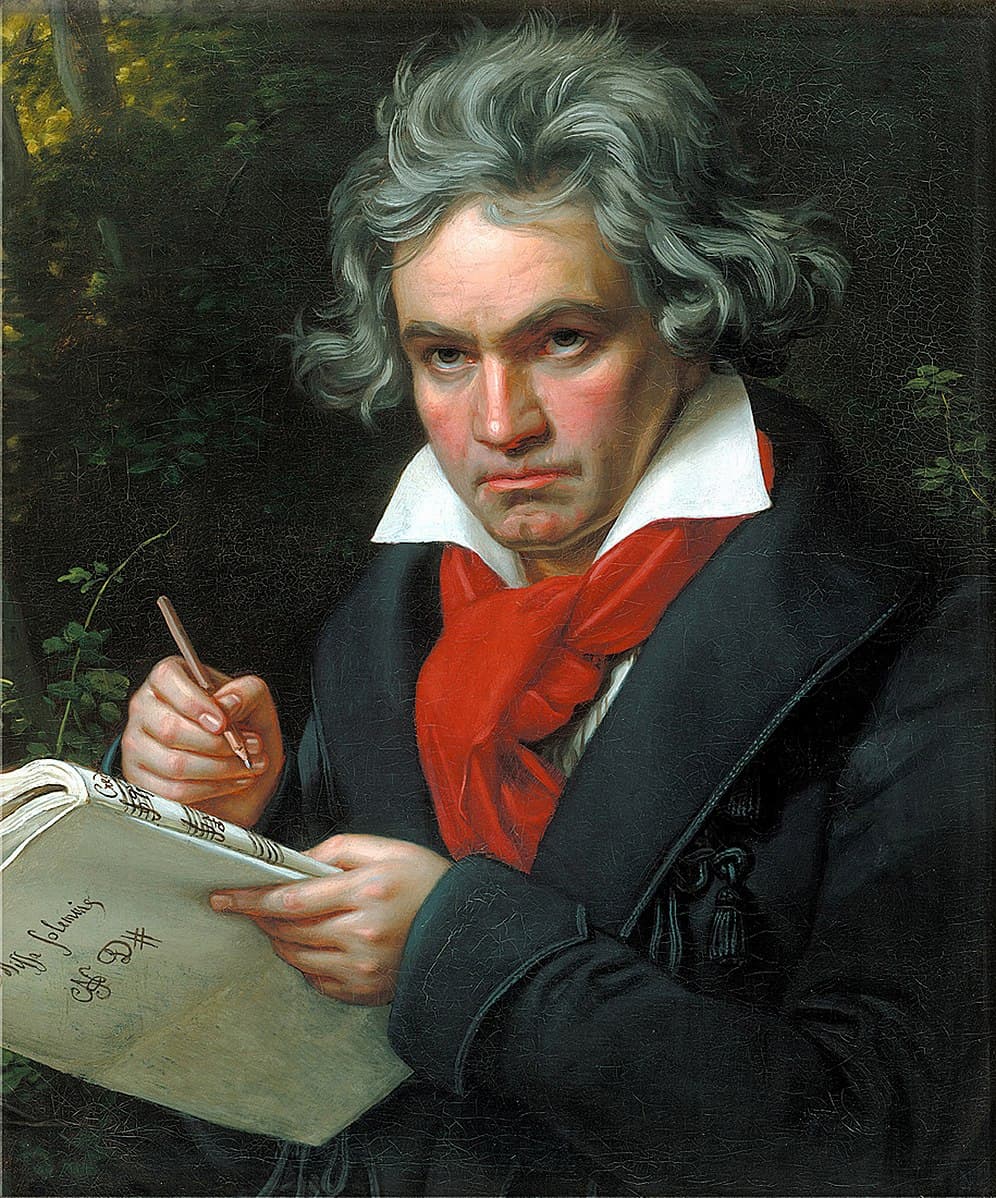
Over nearly thirty years, Beethoven wrote sixteen string quartets. Each one was unique, but they fall into three groups. The early quartets. The six quartets that make up Beethoven’s Op. 18 were written between 1798 and 1800. They are more
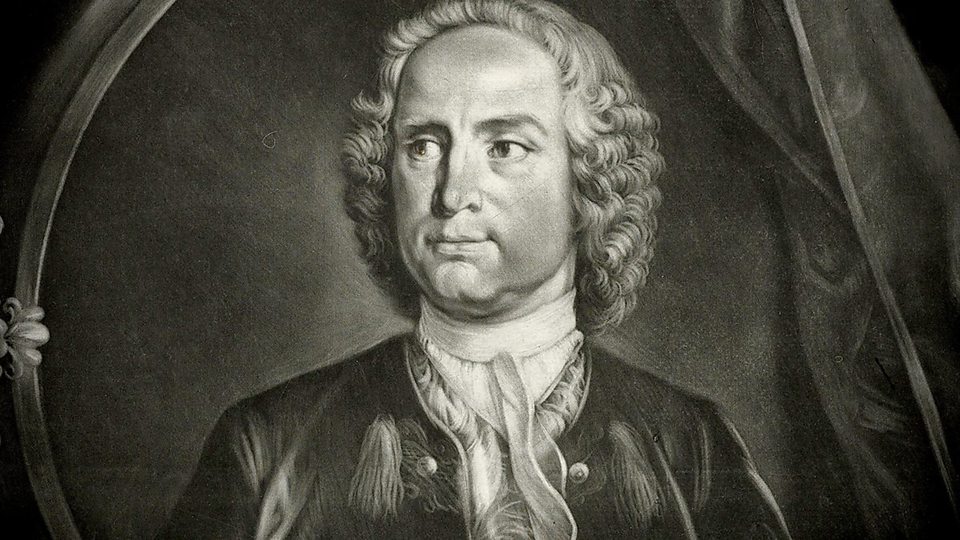
A cadenza is one of classical music’s most thrilling traditions. It’s a moment near the end of a concerto movement where the orchestra falls silent, and the soloist plays alone. Originally, these passages were improvised on the spot, giving the
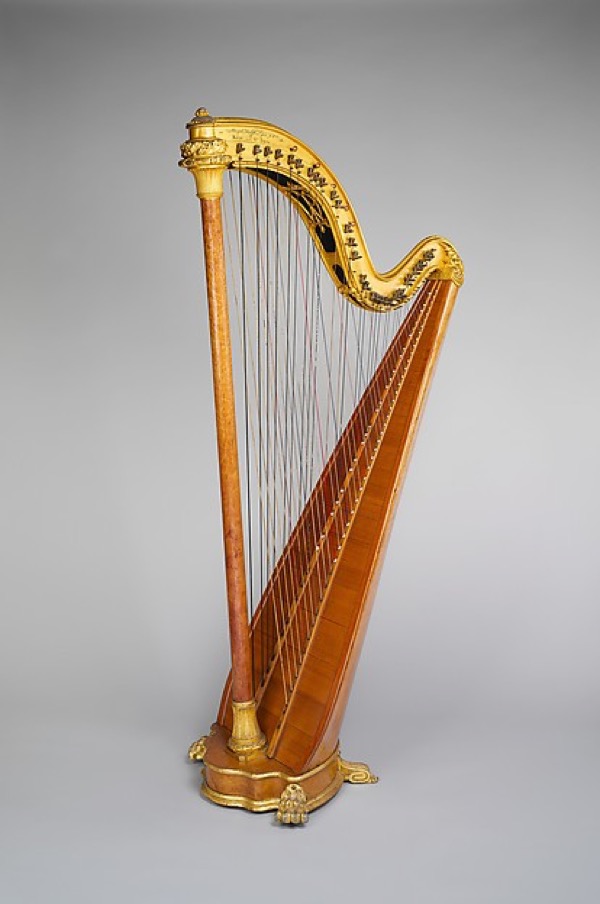
The harp is one of the oldest known string instruments, dating back to ancient Egypt and Mesopotamia. Although we find many different types and models, the basic shape features a triangular frame with strings running between the neck and the
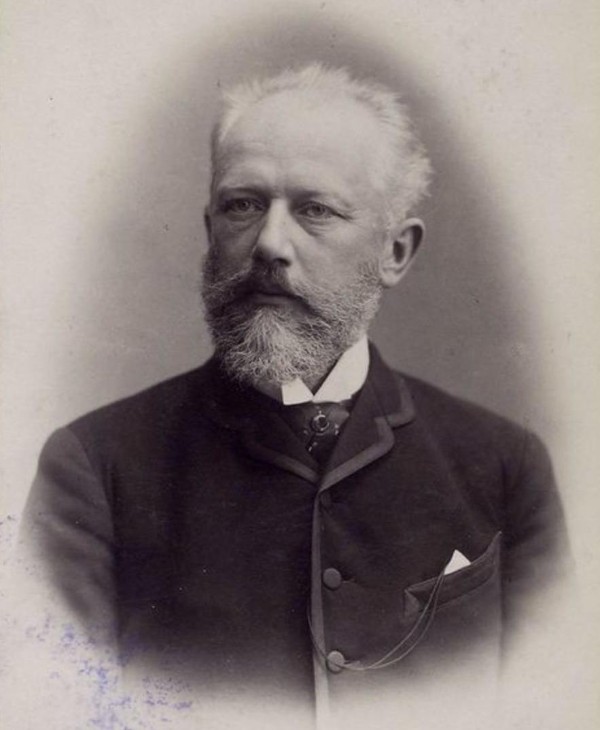
The history of classical music is full of gay composers: men whose sexuality was an open secret, a source of torment, a creative engine, or simply a fact of life they navigated as best they could. We’ve written before about
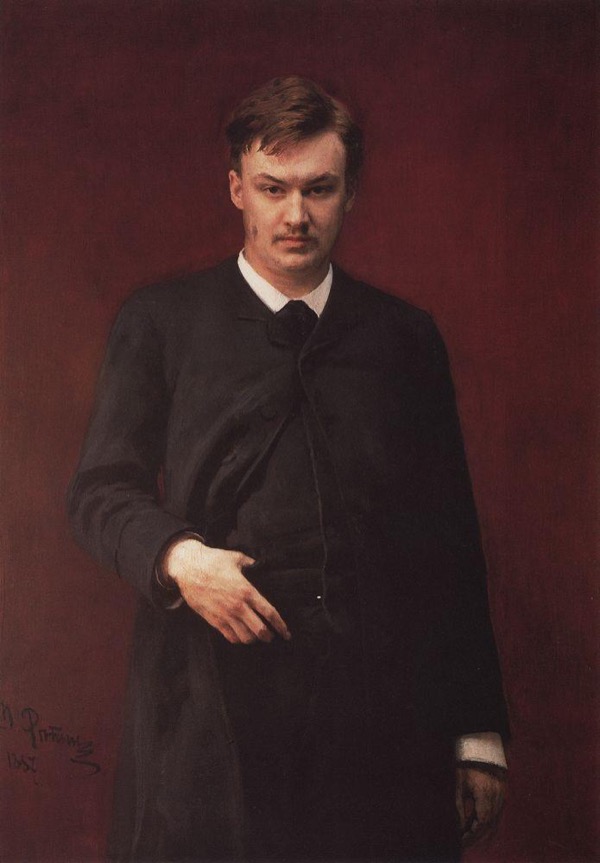
What are the most popular viola performances on YouTube? We looked it up, and here is the answer, as of 2026. These seven performances – ranging from Baroque transcriptions to a viral cat video (!) – have, together, racked up
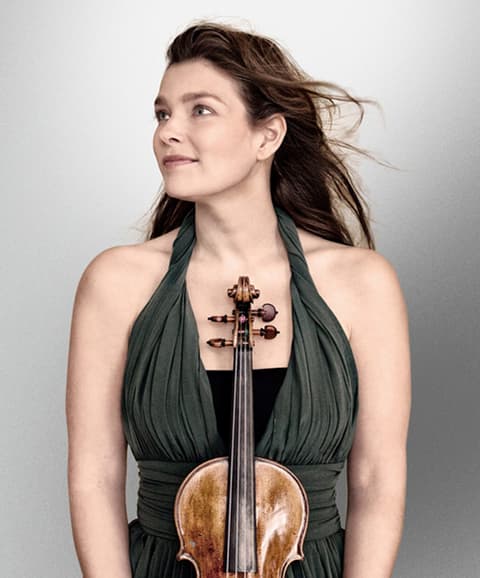
Janine Jansen is one of the most compelling violinists of her generation – a Dutch artist known for her fierce onstage intensity, gorgeous tone, and rare ability to make audiences feel like they’re hearing familiar repertoire for the first time.
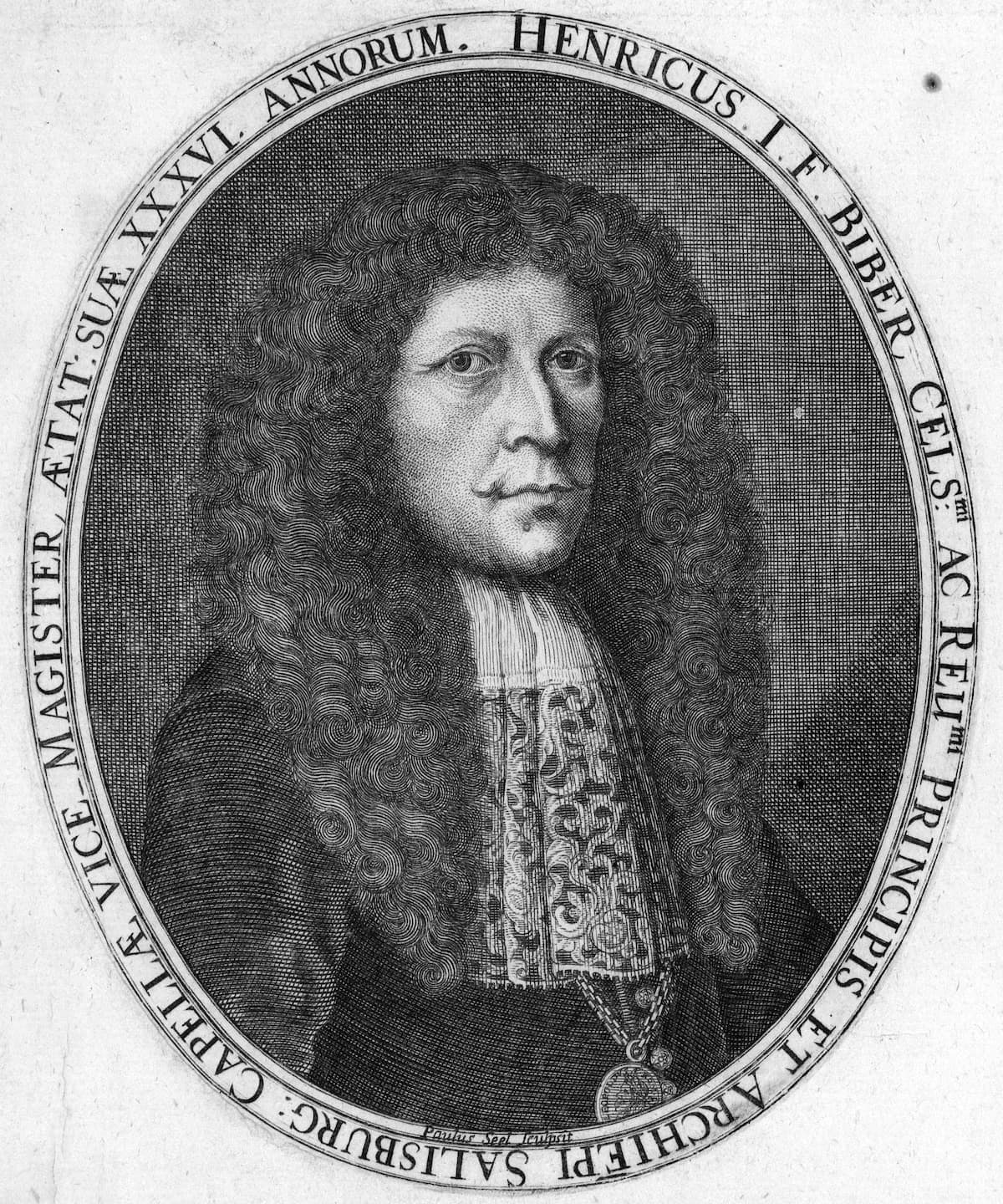
When it comes to our musical lives, we violinists are social animals. Most of our repertoire requires collaborating with partners – whether pianists, orchestras, or quartet members. So when a composer bucks tradition and writes for solo violin, that’s special.