“Art is not an end in itself, but a means of addressing humanity.”
Modest Mussorgsky
As philosopher Richard Wollheim says, art is “one of the most elusive of the traditional problems of human culture.” In its simplest manifestation, art is a form of communication that serves as a vehicle for the expression of emotions and ideas. As ideas and beliefs are culturally specific and constantly changing over time, there really is no generally agreed definition of what constitutes art. That being said, the classical branches of the visual arts are identified as painting, sculpture and architecture. Literature and poetry are considered part of the humanities or as one of the arts, while music, alongside theatre, film and dance belong to the performing arts. In this section you will discover not only specific explorations of individual art forms, but also a more detailed probing of the relationship between the visual arts and music, including painting and music, sculpture and music and architecture and music. Originally, poetry and music were treated as a unity, but gradually they have become more independent. Nevertheless, the two art forms have never forgotten their shared genetic makeup, and been intertwined for millennia. Art and music have engaged in a dynamic relationship that reveals a diverse range of human activity intended to be appreciated for their beauty.
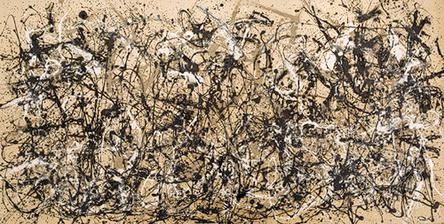
Inspirations Behind Kenneth Fuchs’ Autumn Rhythm American painter Jackson Pollock (1912–1956) was an abstract expressionist painter whose ‘drip’ or ‘poured-paint’ technique signalled a fundamental change in modern painting. Starting in 1947, Pollock’s new style started with a canvas on the
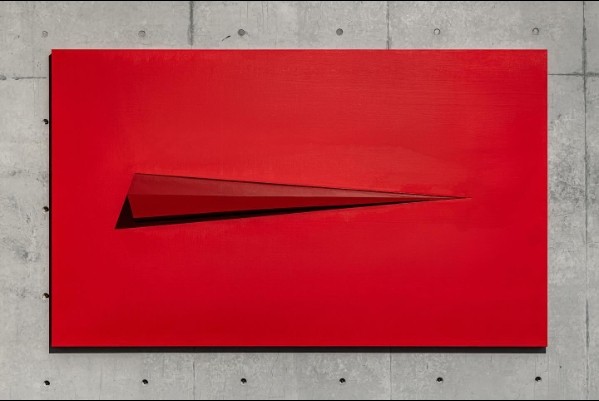
In writing these articles about the intersection of art and music, I find this is the first time the artist and the musician are the same. Chinese composer and artist Yang Bao (b. 1991) is based in New York and
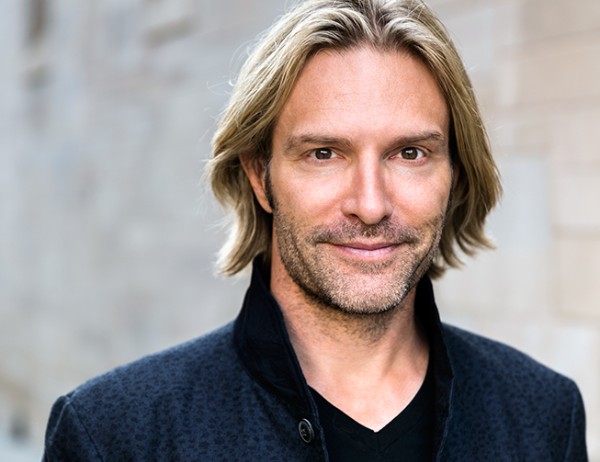
When choral composer Eric Whitacre first composed his setting of Robert Frost’s poem ‘Stopping by Woods on a Snowy Evening’, he created a work that was a perfect match for the quiet beauty of the poem. Frost had written the
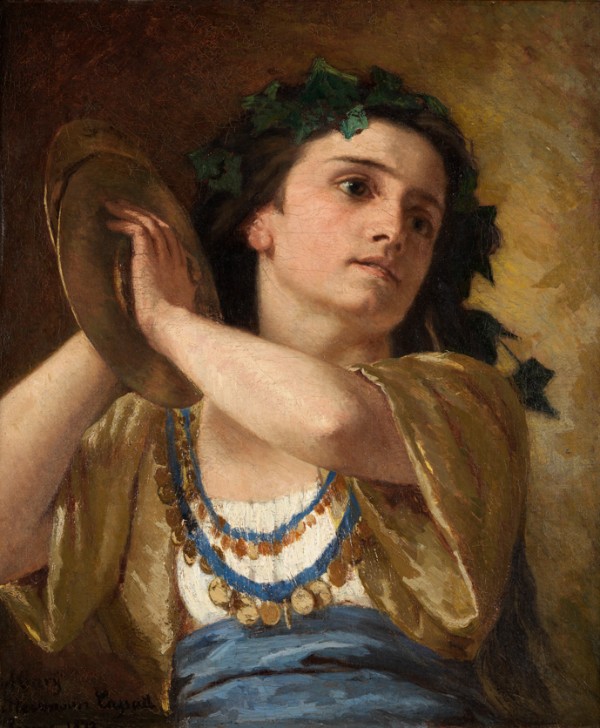
Inspirations Behind Dan Welcher’s String Quartet No. 3, “Cassatt” American painter and printmaker Mary Cassatt (1844–1926) was born outside Pittsburgh, Pennsylvania, but made her career in France and was one of the few women in the Impressionist circle, joined by
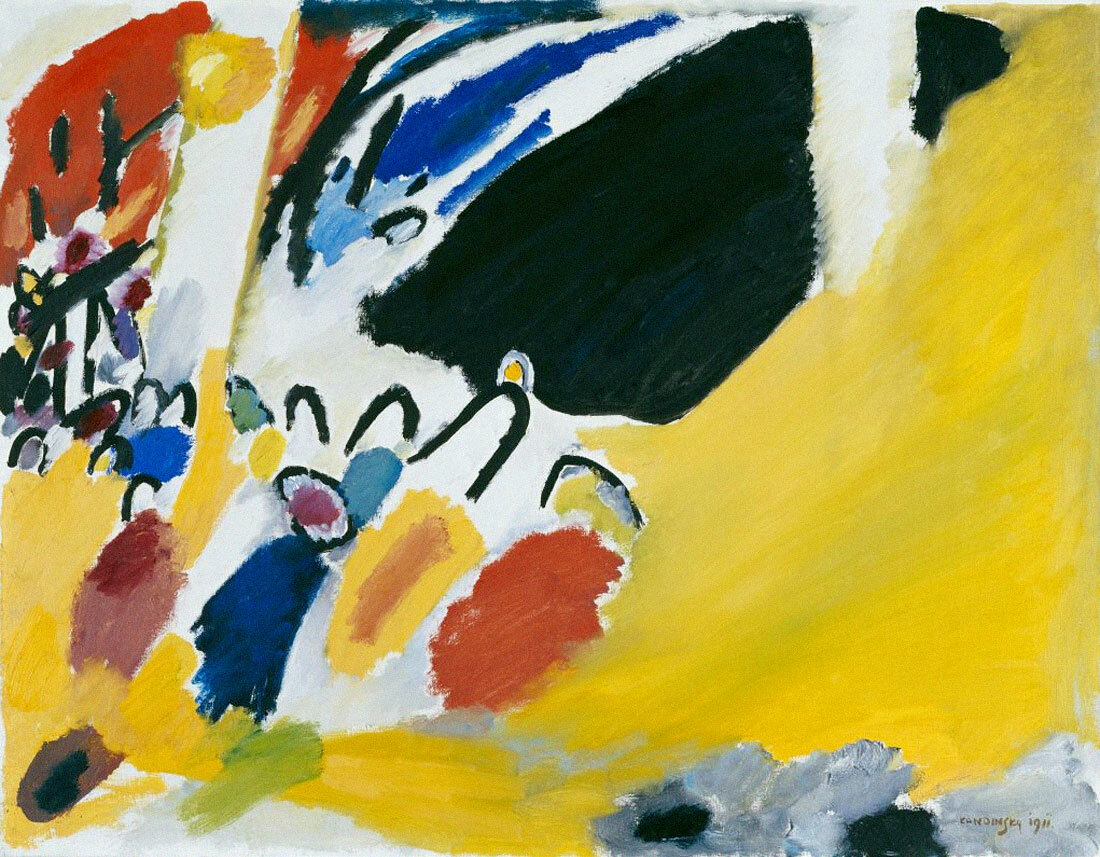
Kandinsky is well-known for often being credited as one of the pioneers of abstraction in Western art. A late starter in the world of painting — he began his studies at the age of thirty, he was as much a
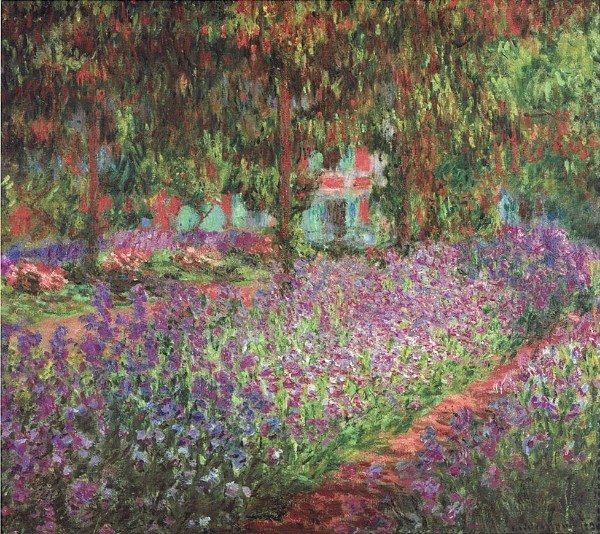
Inspirations Behind Edward Gregson’s Le Jardin à Giverny In 1964, while a student at the Royal Academy of Music, British composer Edward Gregson composed a Romance for clarinet and piano, written for Robert Hill, then a fellow-student and later principal
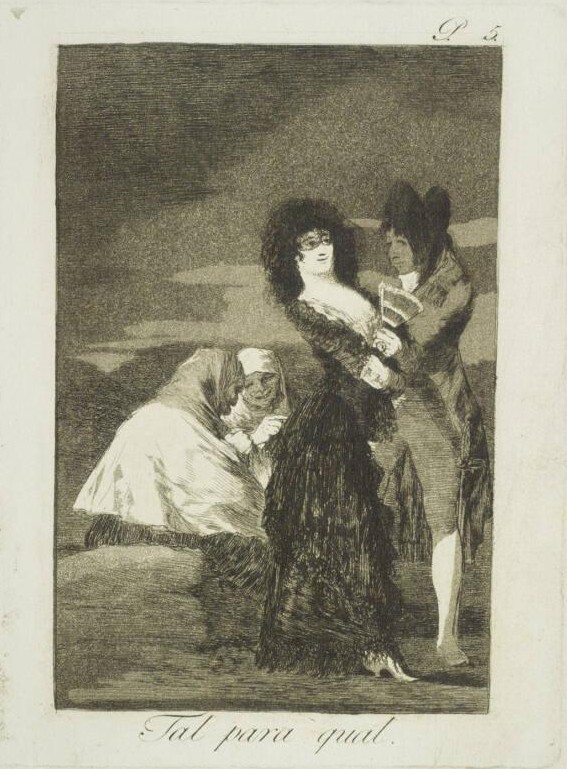
Inspirations Behind Hans Werner Henze’s Los caprichos Francisco Goya’s disturbing vision of contemporary and supernatural society, Los Caprichos (The Caprices) are a set of 80 aquatints and etchings produced by the artist between 1797 and 1798 and published as a
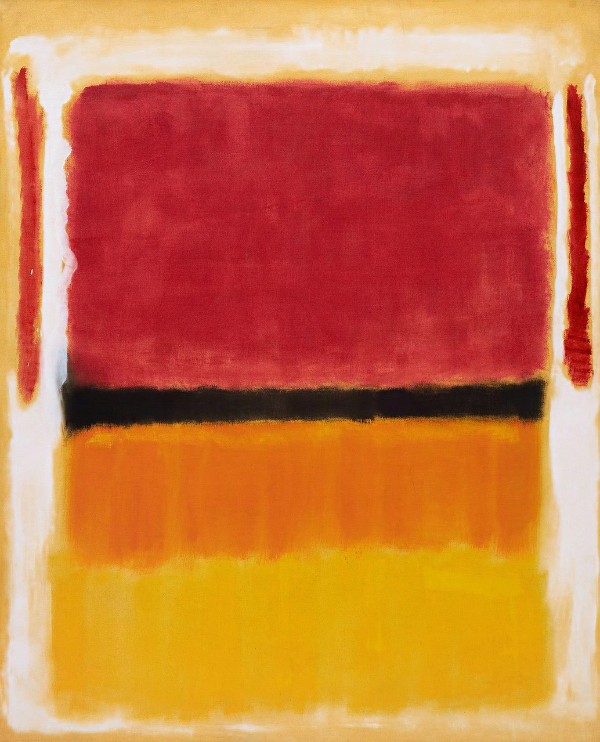
Adam Schoenberg’s Finding Rothko Inspired by Mark Rothko’s color-field paintings Faced with a commission by the IRIS orchestra, American composer Adam Schoenberg (b. 1980) sought inspiration in the museums of Manhattan. He started with the Museum of Modern Art and